


Imagine a student with visual impairment submits a request for extended exam time on Monday. By Wednesday, they’re sitting in the testing center, stress-free, knowing their needs are met. That seamless experience isn’t magic-it’s the result of a well-oiled Accessibility Accommodations Workflow. For student support teams, this process is the backbone of equity. It transforms legal obligations into tangible educational outcomes. But let’s be real: many institutions still struggle here. Requests get lost in email chains, approvals take weeks, and students feel like burdens rather than clients. If your current system feels chaotic, you’re not alone. The good news? A structured workflow can cut processing times by up to 50% while boosting student satisfaction.
| Stage | Primary Goal | Common Pitfall | Best Practice |
|---|---|---|---|
| Intake | Collect accurate documentation | Incomplete medical records | Use standardized digital forms |
| Review | Validate eligibility | Bias or lack of expertise | Cross-functional review team |
| Approval | Define specific adjustments | Vague accommodation letters | Actionable, course-specific plans |
| Delivery | Implement support | Faculty resistance | Proactive faculty training |
The Intake Phase: Getting It Right from the Start
Everything begins here. If the intake process is messy, everything downstream suffers. Students often submit requests when they’re already stressed-maybe mid-semester, maybe during a health crisis. Your job is to make this step frictionless. Intake is the initial collection of data required to assess an accommodation request. It’s not just about paperwork; it’s about trust.
First, ditch the paper-heavy processes. Digital intake portals are non-negotiable in 2026. They allow students to upload documentation securely, track status in real-time, and communicate without playing phone tag. When designing these forms, ask only what’s essential. Do you really need a full diagnostic history if a simple letter from a specialist suffices? Over-collecting data creates bottlenecks. Instead, focus on functional limitations. How does the condition impact learning? Can the student use a screen reader? Do they need note-taking assistance?
Consider the case of Sarah, a first-year engineering student with ADHD. In her previous institution, she had to mail physical copies of her diagnosis. Here, she uploaded a PDF via a secure link. The system auto-flagged missing information before submission, saving her three days of back-and-forth emails. That’s the power of smart intake design.
Review and Eligibility: Balancing Rigor with Empathy
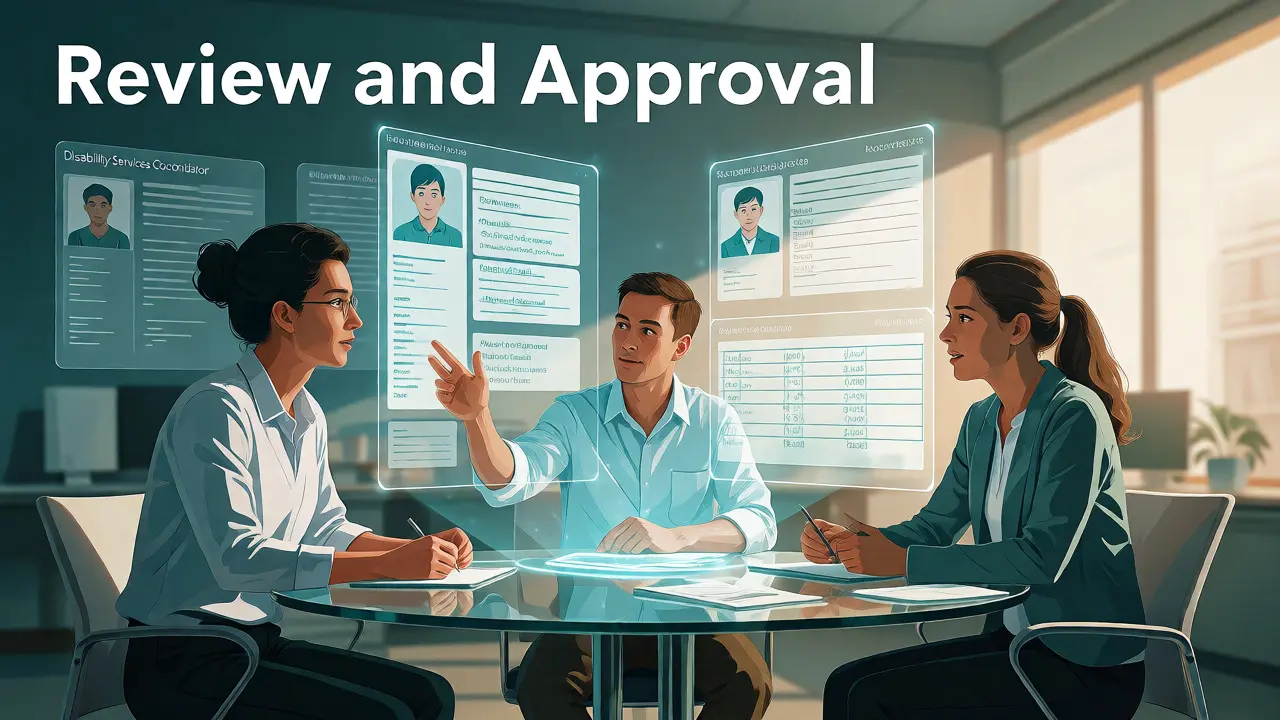
Once data is in, it hits the review stage. This is where subjectivity can creep in. Who reviews the files? Ideally, a trained Disability Services Coordinator or a multidisciplinary team including counselors and academic advisors. Their task is straightforward: verify that the documentation aligns with institutional standards and legal frameworks like the Americans with Disabilities Act (ADA) or local equivalents.
But don’t treat this as a bureaucratic hurdle. Reviewers should look for reasonable adjustments, not perfect proof. Medical documentation varies wildly. Some doctors write vague notes; others provide detailed functional assessments. Train your team to interpret both. If a document is unclear, reach out to the provider directly rather than rejecting the student. This proactive approach reduces appeals and builds goodwill.
Timeliness matters here. Set clear service level agreements (SLAs). For example, aim to complete reviews within five business days. Use automated reminders to keep cases moving. If a case stalls beyond ten days, escalate it. Speed signals respect for the student’s time and academic progress.
Approval and Planning: Specificity Saves Lives
Approval isn’t just a checkbox. It’s the creation of a roadmap. Generic letters saying “student needs extra time” cause more problems than they solve. Faculty need specifics. Does the student need 50% extra time? Quiet room access? Assistive technology software? The approval phase must translate medical needs into actionable academic adjustments.
Collaborate with the student here. Co-create the accommodation plan. Ask them: “What has worked for you before?” “What worries you most about this semester?” This partnership ensures the plan fits their reality. For instance, a student with mobility issues might prefer online lectures over attending in person due to campus navigation challenges. Document these preferences clearly.
Generate a formal accommodation letter for each course. Include the specific adjustments, the effective dates, and contact info for support staff. Keep it concise but comprehensive. Faculty members are busy; they won’t read a novel. Bullet points work best. Highlight critical actions, such as “Provide lecture slides 24 hours in advance.”

Delivery and Implementation: Closing the Loop
This is where rubber meets the road. Many workflows fail here because communication breaks down between support offices and academic departments. Delivery means ensuring every stakeholder knows their role. Faculty need to know what to do. Testing centers need to schedule sessions. IT needs to install software.
Automate notifications. When an accommodation is approved, trigger alerts to relevant parties. Send the accommodation letter to the professor immediately. Follow up two weeks later to check implementation. Did the professor provide the materials? Is the student using the assistive tech? Regular check-ins prevent small issues from becoming major barriers.
Faculty training is crucial. Some instructors resist accommodations due to misconceptions about fairness. Address this head-on. Offer workshops explaining the legal basis and pedagogical benefits of inclusive practices. Share success stories. When professors see that accommodations help students perform better academically, buy-in increases. Remember, accessibility isn’t about lowering standards; it’s about removing unnecessary barriers so students can demonstrate their true ability.
Monitoring and Continuous Improvement
A workflow isn’t static. It needs feedback loops. Collect data on processing times, appeal rates, and student satisfaction scores. Where are the bottlenecks? Are certain types of accommodations harder to implement? Use this data to refine your processes quarterly.
Conduct exit interviews with graduating students who used accommodations. Ask them what worked and what didn’t. Their insights are gold. Maybe the intake portal was confusing. Maybe faculty needed more guidance on implementing flexible deadlines. Listen, adapt, and iterate. Continuous improvement turns a compliance function into a competitive advantage for your institution.
How long should the entire accessibility accommodations workflow take?
Ideally, the end-to-end process from intake to delivery should take no more than 10-15 business days. This includes 3-5 days for intake verification, 5 days for review and approval, and immediate notification for delivery. Faster turnaround times significantly reduce student anxiety and ensure accommodations are in place before exams begin.
What happens if a student’s documentation is incomplete?
Don’t reject the request outright. Instead, initiate a provisional approval if possible, allowing temporary accommodations while the student gathers additional evidence. Assign a case manager to guide them through the process. This supportive approach prevents academic disruption and demonstrates institutional commitment to inclusion.
Who is responsible for implementing accommodations in the classroom?
While the Disability Services Office coordinates the process, the primary responsibility for classroom implementation lies with the instructor. However, support staff should provide resources, templates, and ongoing consultation to help faculty fulfill their obligations effectively without feeling overwhelmed.
Can accommodations change during the semester?
Yes, absolutely. Student needs may evolve due to changes in health conditions or course demands. Establish a mid-semester review checkpoint where students can request modifications to their existing plans. This flexibility ensures that support remains relevant and effective throughout the term.
How do we handle faculty who refuse to implement accommodations?
Start with dialogue and education. Often, resistance stems from misunderstanding rather than unwillingness. Provide clear guidelines and offer mediation if necessary. If refusal persists, escalate to department heads or deans, citing institutional policy and legal requirements. Document all interactions to protect both the student and the institution.