

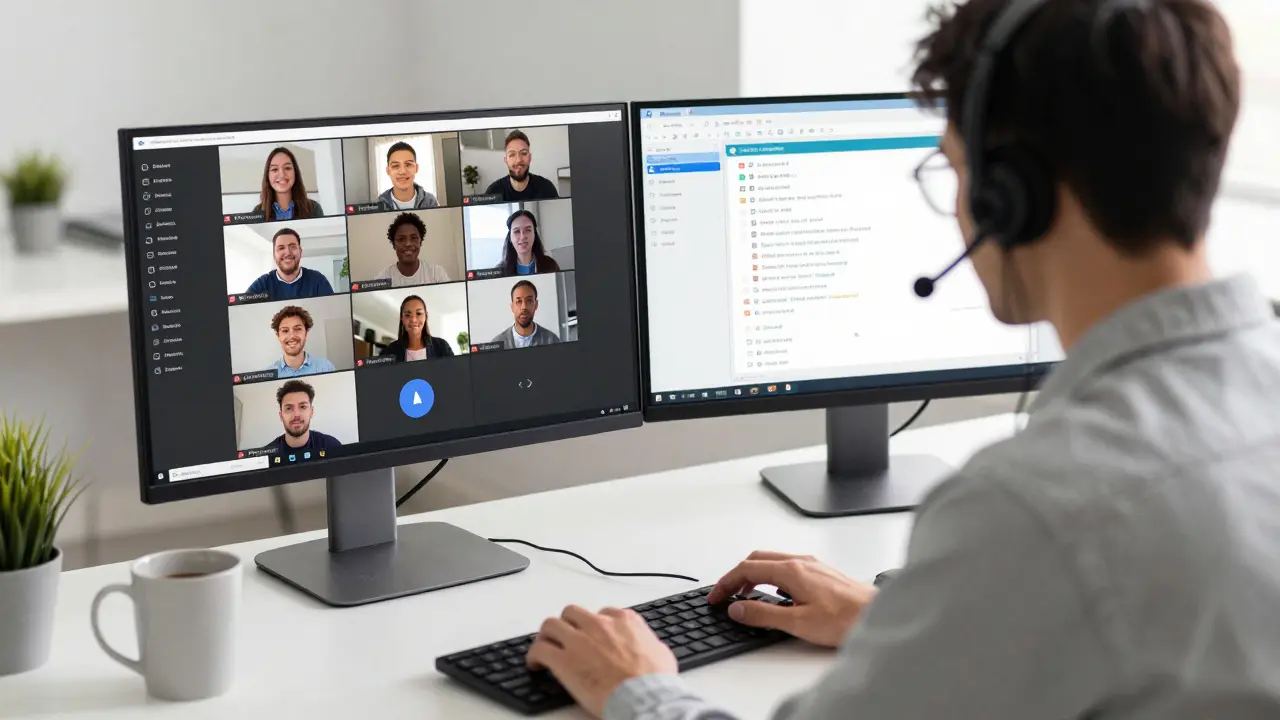
When an instructor hits "Start Class" and the room fills with students, they’re not alone. Behind the screen is someone making sure the video doesn’t freeze, the slides load on time, and the chat doesn’t explode with technical questions. That person is the classroom producer.
Most people think teaching online is just about speaking clearly and having good lighting. But the real magic happens in the background. A classroom producer handles everything that could go wrong before it even becomes a problem. They’re not teachers. They’re not IT staff. They’re the invisible force keeping virtual learning running smoothly.
What Does a Classroom Producer Actually Do?
A classroom producer isn’t just a tech support person who fixes Zoom crashes. They’re proactive, anticipatory, and deeply embedded in the lesson flow. Their job starts before the instructor even logs in.
- They test all equipment: cameras, microphones, lighting, screen-sharing tools, and interactive whiteboards.
- They set up the virtual room with the right layout - participant view, slide display, chat window, and recording controls - tailored to the lesson type.
- They monitor live chat and private messages, filtering urgent questions (like "I can’t hear you") from off-topic comments.
- They manage breakout rooms, hand out digital handouts, and control access to shared files.
- If a student gets locked out, the producer unlocks them. If the audio cuts out, they switch to backup mic or reconnect without pausing the lecture.
In a 90-minute session, a producer might handle 20+ minor tech hiccups. Most students never notice. That’s the point.
Why Instructors Need This Role
Think about what it takes to teach well online. You need to read the room, adjust pacing, answer questions, and keep energy high. Now imagine doing all that while also troubleshooting your microphone, checking if the screen share is working, and making sure the recording is saving.
It’s impossible.
Many instructors try to do it all - and burn out. A 2024 survey of 1,200 university lecturers in New Zealand found that 68% of those teaching online without a producer reported stress spikes during class. Half said they’d skipped using interactive tools because they didn’t trust the tech.
A classroom producer changes that. They free the instructor to teach. Not to troubleshoot.
One professor at the University of Auckland told me: "I used to spend 15 minutes before every class checking every link, every setting. Now I walk in, say hi, and start teaching. The producer handles the rest. My students notice the difference. They say I sound more relaxed. I am."
How It Works in Real Time
Here’s how a typical session unfolds with a producer on duty:
- 15 minutes before class: Producer checks all systems. Sends instructor a quick status report: "Mic good, camera clear, screen share tested, breakout rooms ready."
- At class start: Producer welcomes students, confirms they can hear and see everything. Sends a quick chat message: "If you can’t hear, type ‘no audio’ in chat. I’ll fix it."
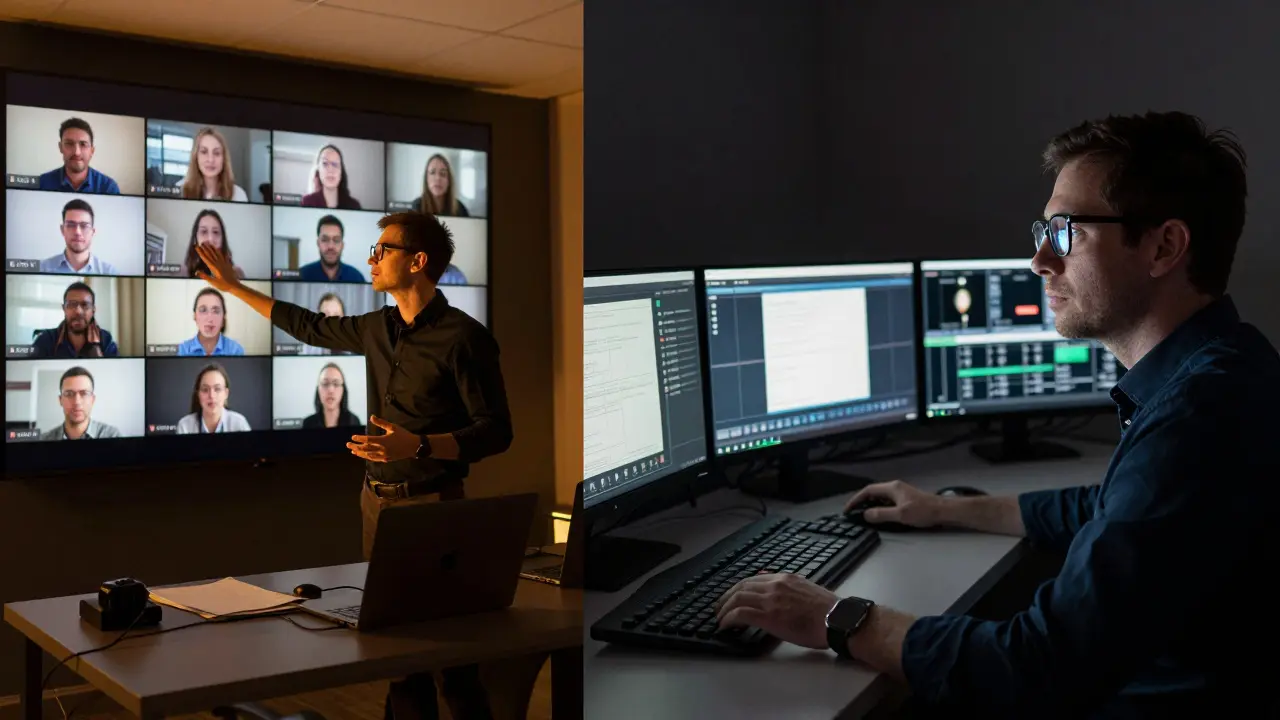
- During lecture: Producer monitors chat, adjusts volume if someone speaks too quietly, toggles slides on cue, and pauses recording if the instructor needs a break.
- During Q&A: Producer filters questions: "Which one is the most urgent?" and passes only the top three to the instructor. Keeps the flow smooth.
- After class: Producer sends a summary: "Recording saved. Slides uploaded. 3 students had login issues - we resolved them. Here’s feedback from chat."
This isn’t automation. It’s human coordination. The producer knows when to intervene, when to wait, and when to whisper to the instructor: "You’re speaking too fast - slow down."
Who Becomes a Classroom Producer?
You don’t need a degree in education. You don’t need to be a coder. You need:
- Patience. A lot of it. Students will ask the same question five times.
- Quick thinking. Tech fails at the worst moments - like when someone’s sharing their thesis defense.
- Empathy. The student who can’t get in might be in a rural area with spotty internet. The instructor might be nervous. You’re the calm.
- Technical fluency. You don’t need to build the tools. But you need to know how they break - and how to fix them fast.
Many producers start as teaching assistants, student tech helpers, or even former online learners who’ve been on the other side of the screen. Some come from customer service backgrounds. Others are former event coordinators.
One producer I spoke with used to run live concerts. "Same energy," she said. "You’ve got performers, a crowd, and 20 things that can go wrong. You don’t panic. You fix it quietly."
Tools of the Trade
Classroom producers rely on a core set of tools - not the flashy ones, but the reliable ones:
- Zoom or Teams with producer controls: Allows them to mute/unmute, assign co-host roles, and manage breakout rooms without interrupting the instructor.
- Slack or Discord channels: For quick back-and-forth with instructors and student support teams.
- StreamYard or OBS: For managing multiple video sources, overlays, and live graphics.
- Google Workspace or Microsoft 365: To upload, share, and track access to materials in real time.
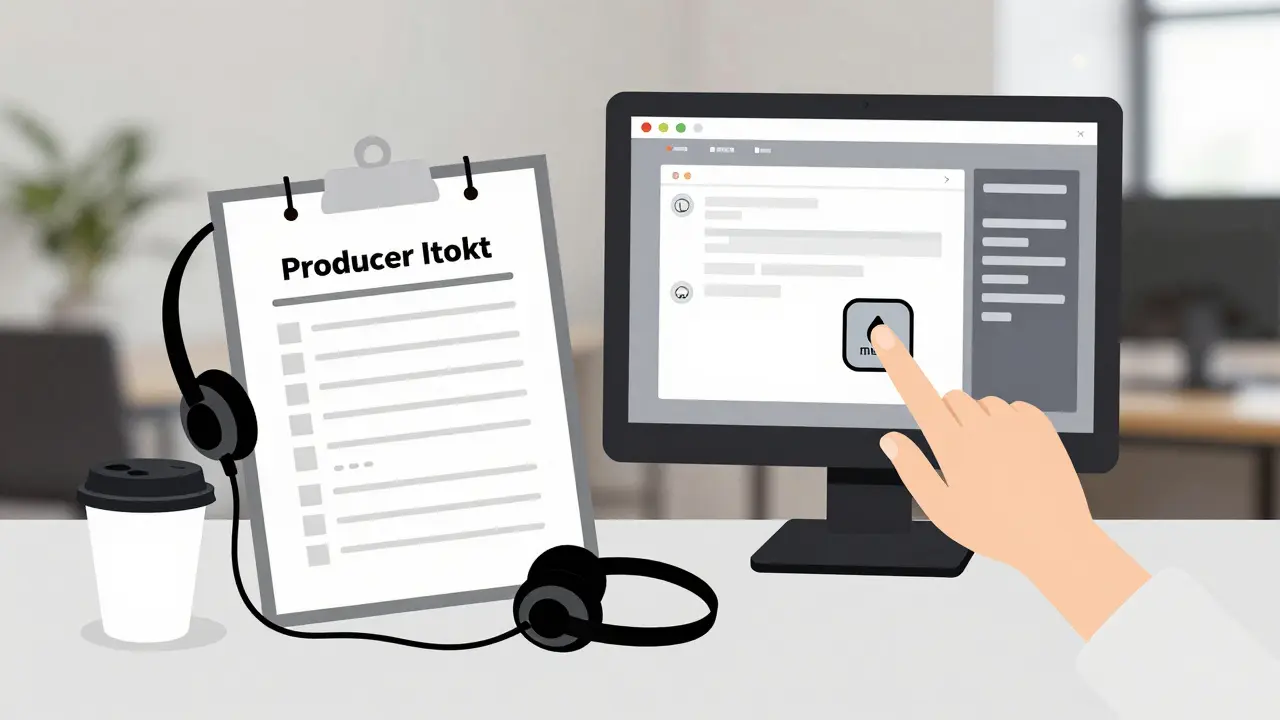
- Checklist templates: Every session starts with the same 12-point prep list. No guesswork.
They also use simple, low-tech tools: a second monitor to see both the instructor’s feed and the chat. A wired headset to block background noise. A notebook for jotting down recurring issues.
The Bigger Picture
Virtual classrooms aren’t going away. Hybrid learning is now standard in universities, K-12 schools, and corporate training. But if we treat online learning as just "in-person class on a screen," we’re setting it up to fail.
The classroom producer role shows that effective online education isn’t about better cameras or AI bots. It’s about human-centered tech support.
When a producer is in place, instructors teach better. Students learn more. The tech stops being a barrier and becomes invisible - which is exactly how it should be.
More institutions are starting to hire producers full-time. In New Zealand, six universities now have dedicated producer teams. Aotearoa’s Ministry of Education has begun funding the role in public school districts with high online enrollment.
It’s not a luxury. It’s a necessity.
What If Your School Doesn’t Have One?
If you’re an instructor without a producer, you can still build your own support system:
- Train a teaching assistant to handle tech during class. Give them clear instructions.
- Use pre-recorded intro videos to explain how to join, where to find materials, and what to do if tech fails.
- Set up a simple chat protocol: "Type ‘help’ if you’re stuck. I’ll respond in 2 minutes."
- Keep a printed checklist taped to your desk. Run through it before every class.
- Ask students for feedback: "What tech issue frustrated you most last week?" Then fix it.
You don’t need a fancy team. You just need someone - even one person - who’s responsible for keeping the tech running so you can focus on teaching.
Is a classroom producer the same as a teaching assistant?
No. A teaching assistant helps with grading, leads discussion sections, or tutors students. A classroom producer handles only the technology and logistics of the live class. They don’t teach content. They make sure the platform works so the instructor can.
Can one producer handle multiple classes?
Yes, but only if the schedules don’t overlap. A good producer needs 15-20 minutes between classes to reset systems, check for updates, and review feedback. Trying to juggle back-to-back classes usually leads to mistakes. Most institutions assign one producer per two classes per day.
Do producers need training?
Absolutely. Even experienced tech users need to learn how virtual classrooms work. Training includes platform-specific controls, emergency protocols, communication norms with instructors, and how to read student behavior through chat. Some schools run 10-hour certification programs. Others pair new producers with mentors for a week.
Is this role only for universities?
No. K-12 schools, corporate training centers, language academies, and even online fitness coaches are hiring producers. Any setting where live instruction happens over video can benefit. The role scales down - a high school might have a part-time producer who helps two teachers a day.
How much does it cost to hire a classroom producer?
In New Zealand, part-time producers earn between NZ$25-$35 per hour. Full-time roles range from NZ$55,000-$70,000 annually. Many institutions start by hiring one producer for two instructors. The cost is low compared to the drop in student frustration and instructor burnout.
Virtual classrooms are here to stay. But they won’t work unless we stop pretending the tech is just a side effect. It’s the foundation. And someone needs to build it - every single day.
Comments
Ben De Keersmaecker
I've been teaching online for 5 years and never realized how much mental load was on instructors until I saw this. The producer role is like having a co-pilot in a cockpit-you don't notice them until they're gone and everything goes sideways. Seriously, this should be standard in every virtual classroom. No instructor should be expected to juggle tech and pedagogy at once.
Also, the part about the concert producer? Chef's kiss. That analogy alone should be in every training manual.
Chris Heffron
I'm from Ireland, and I can confirm: this is brilliant. We've had a pilot program in three secondary schools here, and the drop in tech-related disruptions was 72%. Students stopped asking "Can you hear me?" and started asking "What's next?" That's the win.
Also, the checklist idea? Genius. I'm stealing it.
Adrienne Temple
I work in K-12 and we just hired our first producer last month. OMG. It’s like night and day. My 10-year-olds used to scream "MY SCREEN IS BLUE!" every 3 minutes. Now? They just type "help" and 10 seconds later, boom-screen’s fixed. I can actually teach now. 😭❤️
Also, the producer is a 19-year-old student who used to do livestreams for gamers. She gets them. We’re hiring more.
Sandy Dog
I cried reading this. Like, full-on ugly cry at my desk. I used to be a producer in college. I once had to reboot a professor’s laptop mid-thesis defense because the Wi-Fi died and he had no backup. He didn’t even notice. He just kept talking. I sat there, sweating, in a hoodie, silently fixing the stream while 300 people thought he was a genius. That’s the life. That’s the quiet hero stuff. I miss it so much. 😭🔥
Also, if your school doesn’t have one, you’re basically asking your professor to perform brain surgery while juggling flaming chainsaws. Stop. Just stop.
Tom Mikota
I’ve been in online education for 15 years. This? This is the first time someone got it right. The checklist? The second monitor? The whispering "slow down"? That’s not tech support. That’s art. That’s performance coordination. And yet, we treat it like an afterthought.
Meanwhile, some universities still think "just use Zoom" is a strategy. We’re not fixing tech. We’re fixing the culture. And it’s about damn time.
Mark Tipton
Let’s be real: this isn’t about "human-centered tech support." It’s about institutional laziness. Why aren’t we building AI that auto-detects audio dropouts, auto-switches microphones, and auto-filters chat? Why are we paying humans to play whack-a-mole with Zoom glitches? This is a Band-Aid on a hemorrhage. The real solution is automated, scalable, AI-driven infrastructure-not hiring more people to babysit outdated platforms.
And don’t get me started on "10-hour certification programs." We’re glorifying manual labor because we’re too afraid to innovate. This is tech debt dressed up as pedagogy.
Adithya M
In India, we have 800 students in one lecture. No producer. No backup. Just me, a 4G hotspot, and 200 "I can't hear you" messages. This article is my new bible. I just convinced my department to fund a part-time producer for our 3 largest classes. It’s not perfect, but it’s a start. Thank you for naming what we’ve been screaming into the void.
Jessica McGirt
I’m a professor who used to do everything myself. Then I had a panic attack during a live exam because I couldn’t find the mute button. I didn’t tell anyone. But after reading this? I cried. Then I hired my TA. She’s now our unofficial producer. She’s got a checklist. A second monitor. And a notebook. I gave her a coffee mug that says "I keep the magic alive." She loves it.
This role isn’t about tech. It’s about dignity. For instructors. For students. For the quiet ones who fix things so we can learn.
Donald Sullivan
I work in corporate training. We’ve got 200 employees taking a 90-minute compliance class every quarter. No producer. Just me, a Zoom link, and a prayer. Last time, someone’s mic was stuck on, and we heard them farting through the whole session. No one knew who it was. We had to pause for 10 minutes. That’s why I’m pushing for a producer. Not because I’m lazy. Because I’m not a clown.
Aaron Elliott
The underlying assumption here is that human intervention is superior to systemic design. This is a romanticized myth. The true innovation lies not in hiring more people to manage broken tools, but in redesigning the platform to be inherently resilient. The classroom producer is a symptom of failure-not a solution. One must ask: why are we still operating in a pre-2010 technological paradigm in 2024? The answer is not humanization. It is obsolescence.