

Most online courses fail not because the instructor lacks expertise, but because they lack a curriculum development framework. You might be an expert in your field, yet if you just record yourself talking for two hours and upload it to a platform, learners will bounce within five minutes. They need structure, clarity, and a logical progression that takes them from confusion to competence. This is where a solid framework comes in. It transforms raw knowledge into a digestible, engaging learning experience.
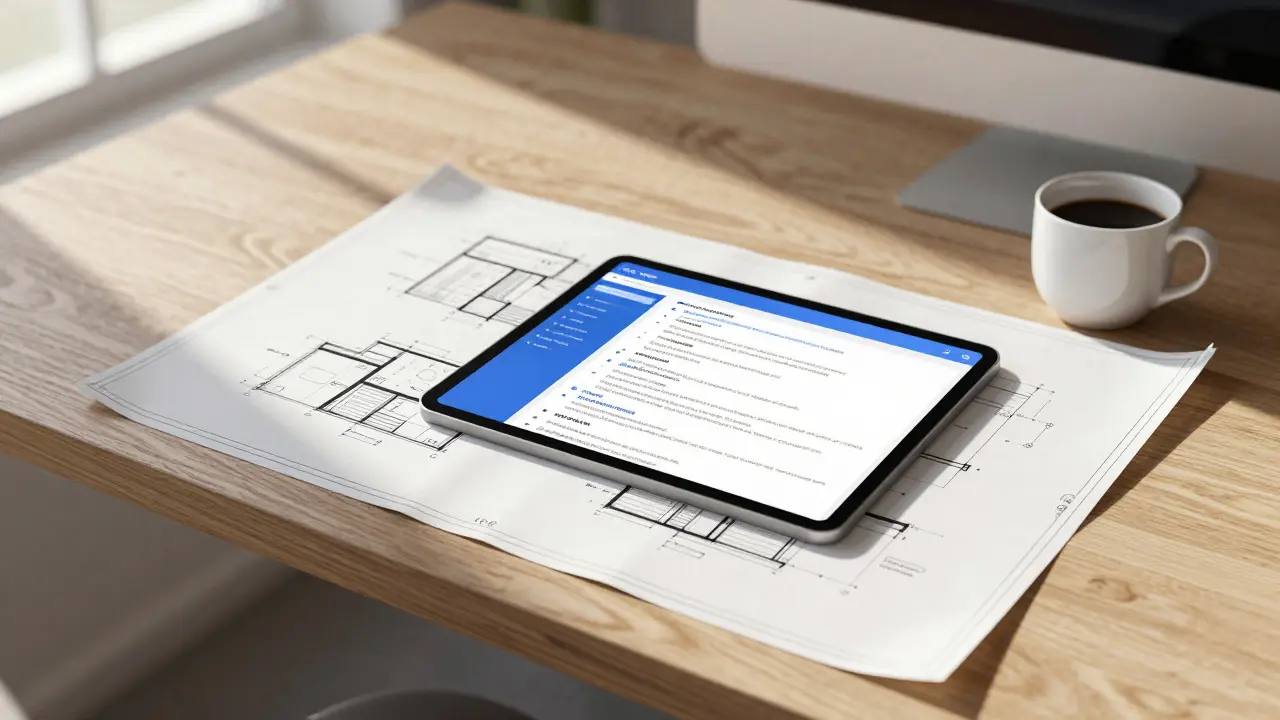
Building a course without a plan is like building a house without blueprints. You might end up with walls and a roof, but the plumbing won’t work, and the rooms won’t make sense. A curriculum development framework provides those blueprints. It ensures every video, quiz, and assignment serves a specific purpose aligned with what the learner needs to achieve. In this guide, we will walk through the essential steps of creating a robust online course curriculum, ensuring your content is not just informative, but transformative.
Define Clear Learning Outcomes First
Avoid vague goals like "understand marketing." Instead, use actionable verbs based on Bloom's Taxonomy, a framework used to classify educational learning objectives into levels of complexity and specificity. For example:
- Remember: List the three main components of SEO.
- Apply: Create a keyword strategy for a niche blog.
- Analyze: Evaluate why a specific ad campaign failed.
- Create: Design a full-funnel marketing plan.
When your objectives are clear, your students know exactly what they’re signing up for, and you have a metric for success. Ask yourself: What can my student do at the end of this course that they couldn’t do before? That answer is your North Star.
Conduct a Thorough Needs Analysis
Who are you teaching? This seems obvious, but many creators skip deep audience research. A Needs Analysis is a systematic process for identifying the gap between current performance and desired performance. You need to understand your audience’s starting point, their pain points, and their ultimate desires.
Are they complete beginners who don’t know industry jargon? Or are they professionals looking to upskill quickly? If you assume too much prior knowledge, you lose the beginners. If you oversimplify, you bore the experts. Conduct surveys, interview potential students, or analyze forums where your target audience hangs out. Look for recurring questions and frustrations. These gaps are where your course adds value. For instance, if you’re teaching Python programming, knowing whether your audience wants to build websites or automate data entry changes your entire curriculum focus.
Structure Content Using Instructional Design Models
Once you know your goals and your audience, you need a structure. Two primary models dominate online education: ADDIE (Analysis, Design, Development, Implementation, Evaluation) and SAM (Successive Approximation Model). ADDIE is linear and thorough, great for complex corporate training. SAM is iterative and agile, perfect for fast-moving digital skills.
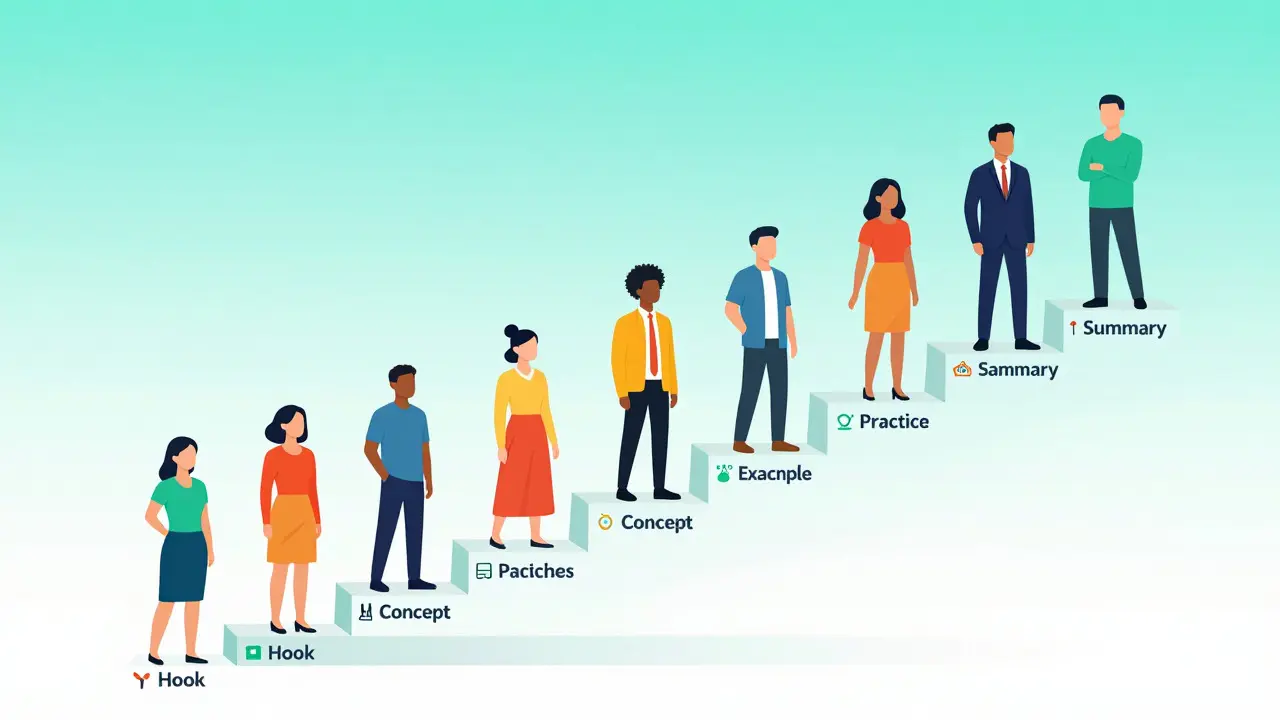
For most independent course creators, a hybrid approach works best. Start with a high-level outline. Break your course into modules, then lessons, then individual topics. Each module should represent a major milestone toward the final outcome. Within each lesson, follow a consistent pattern:
- Hook: Why does this matter right now?
- Core Concept: Explain the theory or method.
- Example: Show it in action (case study or demo).
- Practice: Let the learner try it themselves.
- Summary: Recap key takeaways.
This rhythm keeps learners engaged and helps information stick. It prevents cognitive overload by breaking complex subjects into manageable chunks.
Select Appropriate Media and Formats
Not all content requires a video. In fact, overusing video can lead to fatigue. A diverse mix of media types caters to different learning styles and keeps things fresh. Consider using:
- Video lectures: Best for demonstrations, storytelling, and building rapport.
- Text-based articles: Ideal for reference material, checklists, and detailed explanations that learners might want to skim later.
- Audio podcasts: Great for commutes or background listening.
- Interactive quizzes: Essential for immediate feedback and self-assessment.
- Downloadable templates: Provide practical tools they can use immediately.
The key is alignment. If the goal is to teach a physical skill, like yoga or guitar, video is non-negotiable. If the goal is to teach a conceptual framework, text and diagrams might be more effective. Don’t choose media based on what’s trendy; choose it based on what best delivers the message.
Incorporate Active Learning and Assessment
Passive consumption leads to low retention. To truly embed knowledge, learners must engage with the material. This is where Active Learning strategies come in. These are methods that require students to participate rather than just watch or read.
Include assignments that force application. If you’re teaching copywriting, don’t just explain the AIDA model. Ask students to write three headlines using it. Then, provide a rubric so they can grade themselves. Peer review systems can also be powerful, allowing students to learn from each other’s mistakes and successes.
Assessments shouldn’t just be about grading; they’re about diagnosing understanding. Use formative assessments (low-stakes quizzes) throughout the course to check progress, and summative assessments (final projects) to evaluate overall mastery. This feedback loop allows you to adjust your teaching and gives students confidence in their growth.
Iterate Based on Feedback and Data
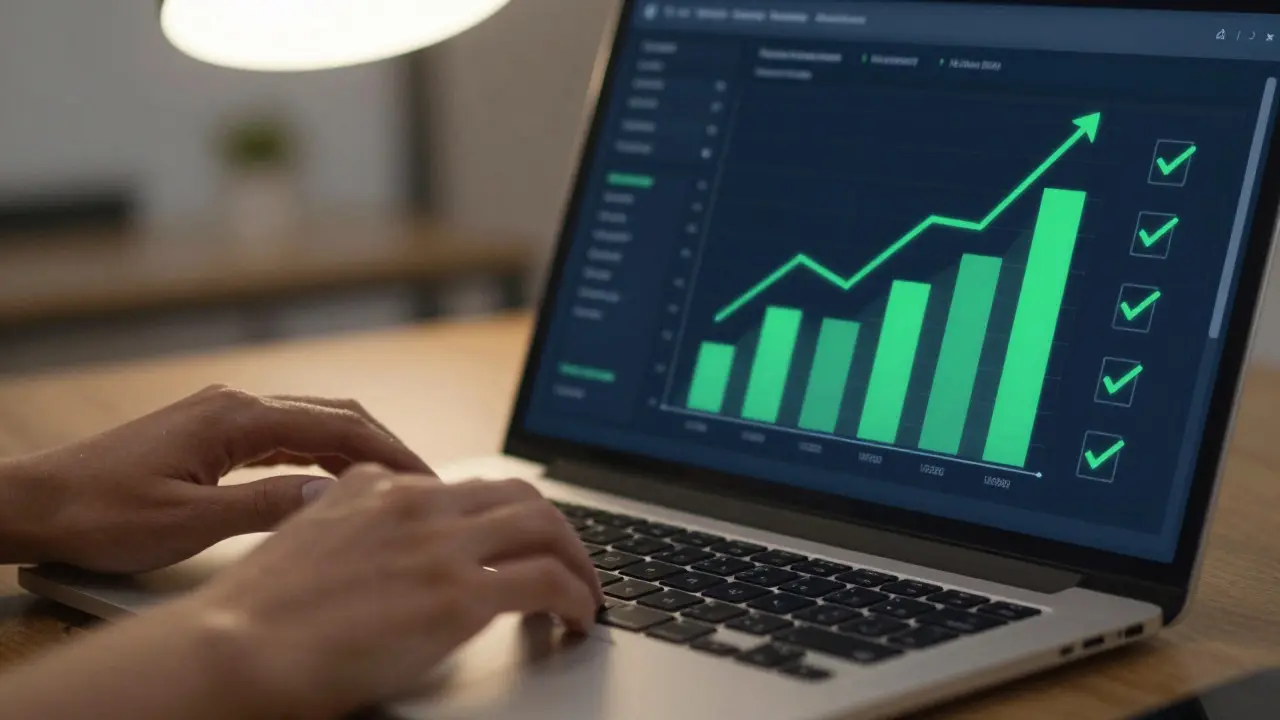
Your first version of the course will never be perfect. And that’s okay. The beauty of digital products is that you can update them instantly. After launching, monitor engagement metrics. Where do students drop off? Which videos have the lowest completion rates? Which quizzes have the highest failure rates?
If everyone quits during Module 3, something is wrong there. Is it too difficult? Too boring? Too long? Gather direct feedback through surveys or community discussions. Use this data to refine your content. Maybe you need to add more examples, shorten a video, or clarify a confusing concept. Continuous improvement is part of the framework. Treat your course as a living product that evolves with your audience’s needs.
| Approach | Best For | Key Strength | Potential Weakness |
|---|---|---|---|
| ADDIE | Complex, compliance-heavy courses | Thorough, structured, low risk | Slow, rigid, hard to pivot |
| SAM | Fast-paced tech skills, agile teams | Rapid prototyping, flexible | Can lack depth if rushed |
| Backward Design | Outcome-focused professional development | Ensures alignment with goals | Requires strong initial planning |
Leverage Educational Technology Tools
You don’t need to build everything from scratch. Modern Learning Management Systems (LMS) like Teachable, Thinkific, or Kajabi provide the infrastructure for hosting, selling, and delivering your course. They handle payments, access control, and basic analytics. However, don’t rely solely on the LMS for engagement. Integrate external tools like Slack or Discord for community building, or Typeform for advanced assessments.
Accessibility is also crucial. Ensure your videos have captions, your images have alt text, and your documents are screen-reader friendly. This isn’t just ethical; it expands your market reach. Platforms like Captions.com or built-in LMS features can automate much of this process.
How long should an online course be?
There is no one-size-fits-all answer, but shorter, focused courses often perform better. Aim for 2-6 hours of total content for beginner courses, broken into bite-sized lessons of 5-10 minutes each. Long-form courses can work for deep certifications, but only if every minute adds distinct value. Avoid padding content to justify a higher price; quality beats quantity.
Do I need a degree in instructional design to create a course?
No. While formal training helps, many successful creators are subject matter experts who learn instructional design principles along the way. Focus on mastering the core frameworks like ADDIE or Backward Design. Your expertise combined with a solid structure is often enough to create a valuable learning experience.
What is the most common mistake in curriculum development?
The most common mistake is focusing on what the instructor wants to teach rather than what the learner needs to learn. This leads to overly theoretical content that lacks practical application. Always start with the learner’s end goal and work backward to determine the necessary steps.
How often should I update my online course?
Review your course at least once a year. Update outdated statistics, replace broken links, and refresh examples to keep them relevant. If your industry changes rapidly, like software development, consider quarterly updates. Regular maintenance shows students you care about their success and keeps your course competitive.
Is video really necessary for online courses?
Video is highly effective for building connection and demonstrating processes, but it’s not strictly mandatory. Text-based courses can be equally successful if well-written and structured. However, video tends to reduce perceived effort for the learner and increases engagement. A mix of both formats usually yields the best results.