

Quick Takeaways for Educators
- Fair Use is a defense, not a permission slip: It's something you argue in court after you've been sued, not a magic shield that prevents you from being reported.
- Transformative work is key: If you just upload a video, it's likely a violation. If you analyze, critique, or parody it, you're on safer ground.
- Amount matters: Using a 15-second snippet of a movie is much easier to justify than using a 10-minute sequence.
- Public domain and Creative Commons: These are your best friends for stress-free content creation.
Understanding the Basics of Copyright
At its core, Copyright is a legal right that grants the creator of an original work exclusive control over its use and distribution. The moment a videographer hits 'record' or a musician saves a track, they own that intellectual property. In the context of educational videos, this means you can't just pull clips from Netflix or music from Spotify and assume it's okay because you're "teaching."
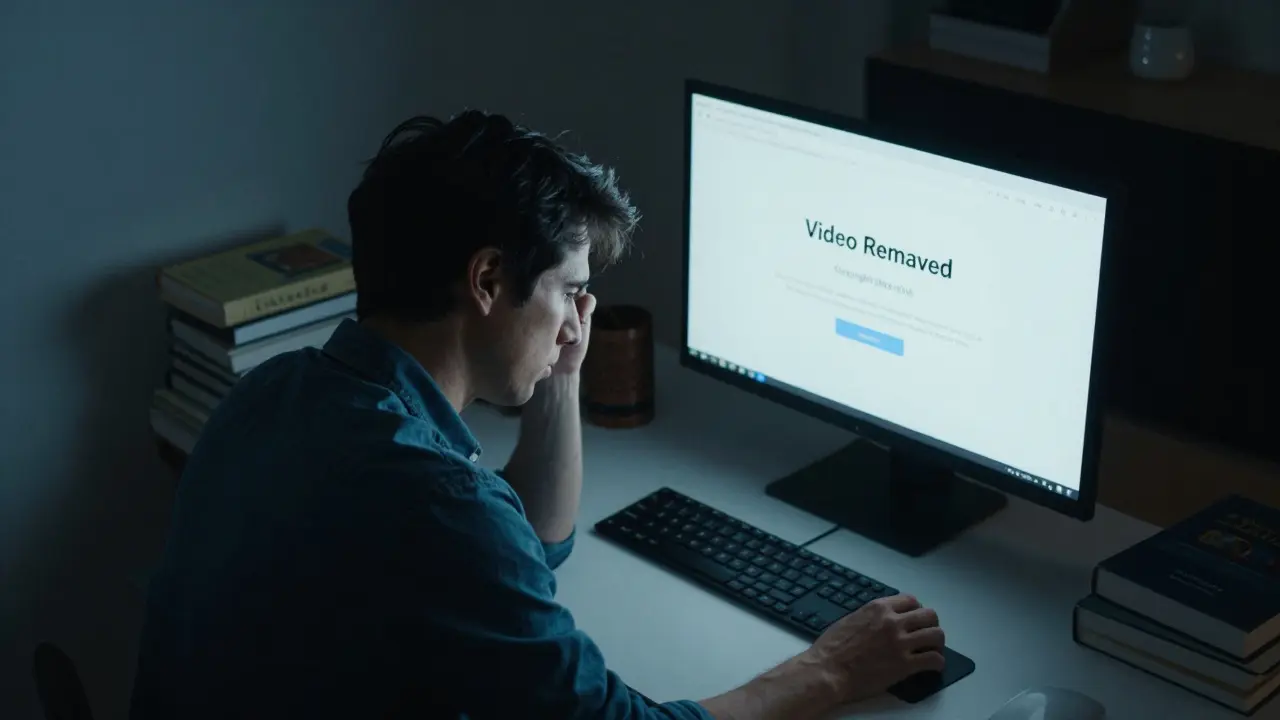
Many people confuse copyright with Intellectual Property, which is the broader umbrella covering patents, trademarks, and copyrights. For video creators, the most immediate danger is the Digital Millennium Copyright Act (DMCA). This US-based law allows copyright holders to request the immediate removal of infringing content from platforms like YouTube or Vimeo. If you get too many "strikes," your entire channel can be deleted, regardless of whether your intent was educational.
The Fair Use Doctrine: Does It Actually Protect You?
You've probably heard of Fair Use. It's often cited as the gold standard for educational content, but it's misunderstood. Fair Use is a legal doctrine that permits the unlicensed use of copyright-protected works under certain circumstances. To determine if your copyright for educational videos is actually "fair," courts look at four specific factors.
First is the purpose and character of the use. Is the work "transformative"? If you're using a clip from a documentary to show a specific historical error and you spend three minutes explaining why it's wrong, that's transformative. If you're just using a movie scene to keep students entertained, that's not transformative.
Second is the nature of the copyrighted work. Using a factual clip from a news broadcast is generally more "fair" than using a clip from a fictional movie or a poem, as facts aren't copyrightable in the same way artistic expression is.
Third is the amount and substantiality of the portion used. There is a persistent myth that "anything under 30 seconds is fair use." This is false. There is no magic number. If you use the most critical 5 seconds of a song-the legendary hook-you could still be infringing. The rule of thumb is to use only what is strictly necessary to make your educational point.
Fourth is the effect upon the potential market. If people can watch your educational video instead of buying the original work, you've damaged the market. If your clip is so short and specific that it doesn't replace the original, you're in a better position.
| Scenario | Likely Status | Why? |
|---|---|---|
| Playing a 30-second clip of a film to analyze the cinematography. | Fair Use | Transformative, small amount, doesn't replace the movie. |
| Using a popular song as background music for a tutorial. | Infringement | Not transformative; the music is just "set dressing." |
| Uploading a full episode of a TV show for a class discussion. | Infringement | Amount used is too high; replaces the market for the show. |
| Creating a parody of a music video to explain a scientific concept. | Fair Use | Highly transformative and creates new meaning. |
Safe Alternatives to Avoid Legal Headaches
If you don't want to gamble on a judge's interpretation of Fair Use, you should look for materials that are intentionally shared. The most common way to do this is through Creative Commons. Creative Commons (CC) is a licensing system that allows creators to specify how others can use their work. Instead of "All Rights Reserved," CC licenses say "Some Rights Reserved."
There are different types of CC licenses you'll encounter while searching for footage or music:
- CC0 (Public Domain): The creator has waived all rights. You can use it for anything, even commercial projects, without credit.
- CC BY (Attribution): You can use the work as long as you give credit to the creator. This is the most common for educational content.
- CC BY-SA (ShareAlike): You can use it, but your new video must also be released under the same license.
- CC BY-NC (Non-Commercial): You can't use the content if you're making money from your course or channel.
Another goldmine is the Public Domain. Works in the public domain are those whose copyrights have expired (like old films from the 1920s) or works created by the US government. For example, NASA footage is generally in the public domain and is perfect for science educators.
Practical Workflow for a Law-Abiding Video
When you're planning your next video, follow a system that minimizes risk. Don't just start recording and hope for the best. Instead, map out your assets first.
- Audit your clips: List every piece of audio or video you didn't create yourself.
- Check the license: Is it Public Domain? Creative Commons? Or strictly copyrighted?
- Justify Fair Use: If it's copyrighted, write down *why* it's fair use. Are you critiquing it? Are you using a tiny fragment? If you can't explain it in one sentence, don't use it.
- Search for a substitute: If a clip is risky, search sites like Pexels, Pixabay, or the YouTube Audio Library. These offer royalty-free assets that remove the risk entirely.
- Attribute clearly: Even if a license doesn't strictly require it, giving credit in your description shows good faith. It doesn't make an infringing work legal, but it shows you aren't trying to steal credit.
Common Pitfalls to Avoid
One of the biggest mistakes educators make is believing that adding a disclaimer like "No copyright infringement intended" or "Credits to the owner" protects them. It doesn't. In fact, it's an admission that you know the content belongs to someone else and you're using it anyway without a license. Legal protection comes from the nature of the use, not the disclaimer in the description.
Another trap is the "Educational Exemption." Some people think that because they are a teacher in a physical classroom, they can show any movie they want. While the TEACHS Act provides some flexibility for distance education and online courses, it still has strict requirements about the amount of material used and the security of the platform. You can't just put a full movie on an open YouTube channel and claim it's for school.
Finally, be wary of Royalty-Free Music. "Royalty-free" doesn't always mean "free." It often means you pay a one-time fee to use the music without paying ongoing royalties. Always read the fine print to see if you need a specific subscription or a one-time license for your video to stay online.
Can I use a song if I only use 10 seconds of it?
There is no legal "10-second rule." While using a smaller portion of a work is a key factor in Fair Use, it doesn't guarantee safety. If those 10 seconds are the most recognizable part of the song, the copyright holder can still claim infringement.
Do I need to pay for music in educational videos?
Not necessarily. You can use music from the YouTube Audio Library, search for Creative Commons (CC0 or CC BY) tracks, or use music that has entered the public domain. You only pay if you want a specific commercial track that isn't free.
What happens if I get a copyright strike?
On platforms like YouTube, a strike can lead to the removal of the video and temporary loss of certain features. Three strikes usually result in the termination of your account. You can dispute a strike if you believe your use falls under Fair Use.
Is it legal to show a movie clip in a Zoom class?
Generally, yes, under the "Face-to-Face Teaching Exemption," provided the clip is used for an instructional purpose. However, recording that session and uploading it to a public website is a different matter and may require a license.
What is the difference between Public Domain and Creative Commons?
Public Domain means there is no owner; the work is free for everyone. Creative Commons is a license where the owner still exists but gives permission for others to use the work under certain conditions (like giving credit).
Next Steps for Content Creators
If you're just starting your video journey, the safest route is a "CC-first" strategy. Start your search on sites like Wikimedia Commons or the Internet Archive. These platforms provide a massive amount of historically significant and educational media that won't trigger any bots or lawsuits.
For those who must use copyrighted material, keep a "Fair Use Log." Whenever you use a clip, write a brief note explaining the educational purpose. If you ever have to dispute a takedown notice, having a documented reason for every clip shows that you acted with intent and professionalism, rather than just laziness. This level of organization is often what separates a successful educator from someone whose channel gets banned overnight.
Lastly, keep an eye on the evolving laws regarding AI-generated content. As you start using AI to generate images or voice-overs for your educational videos, remember that the copyright status of AI works is still being debated in courts worldwide. For now, assume that AI-generated content might not be copyrightable, which means others could potentially use your AI-generated assets without your permission.
Comments
sonny dirgantara
didnt know about the 10 second thing being a myth lol. i always thout that was the rule.
Kendall Storey
The DMCA is basically a meat-grinder for creators if you dont have your assets properly vetted. You gotta optimize your workflow with some serious metadata tracking or you're just playing Russian Roulette with your monetization. Get that CC0 content in there and keep the transformative elements high-impact to avoid the bots.
Ashton Strong
It is truly commendable that this guide emphasizes the distinction between a legal defense and a permission slip. Many educators inadvertently risk their professional digital presence due to a fundamental misunderstanding of the four-factor test. I would highly recommend that creators utilize a comprehensive asset registry to ensure all attributions are meticulously documented, thereby demonstrating good faith should a dispute arise.
sonny dirgantara
yeah its wild how the bots just take everything down
Pamela Tanner
The point regarding the "No copyright infringement intended" disclaimer is critical. Many students and new teachers believe this phrase acts as a legal shield, but in reality, it often serves as an admission of guilt. We must encourage a shift toward using OER (Open Educational Resources) to foster a truly inclusive and legally sound learning environment.
Richard H
This is exactly why we need to protect American intellectual property! If you're stealing content, you're stealing from the hard work of our own citizens. Stop whining about the bots and just follow the laws of the land. Period.
ravi kumar
Very helpful tips for those of us just starting out with online courses. I appreciate the focus on the YouTube Audio Library as a safe bet.
Kristina Kalolo
The section on AI-generated content is the most pressing part of this discussion. Since the legal landscape is still shifting, the lack of copyrightability for AI works creates a strange vacuum where the creator has no ownership but the user still faces potential infringement if the AI was trained on protected data. It is a contradictory situation that will likely require new legislation before we have a clear answer.