

Watching a student click 'pause' after just ten seconds is every instructor's nightmare. You spent hours recording, editing, and polishing your online course is a structured educational program delivered via digital platforms that allows learners to acquire new skills at their own pace, only for them to bounce because the first thirty seconds felt like a lecture from 1995. The problem isn't your expertise; it’s your script structure. Without a clear blueprint, even the best content gets lost in the noise of generic introductions and rambling demonstrations.
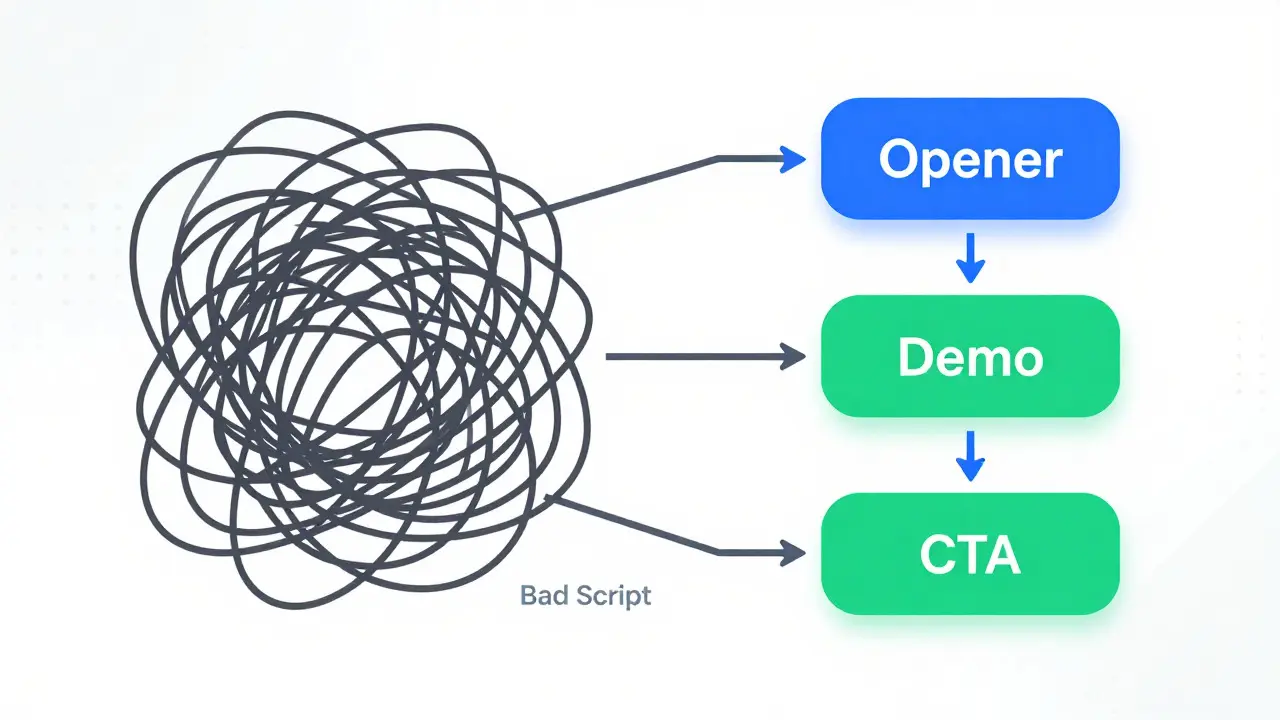
This guide provides ready-to-use course video script templates are pre-written structural frameworks designed to help educators create engaging instructional videos by standardizing openers, demonstrations, and closing actions. These aren't rigid rules but flexible scaffolds that keep you focused on value delivery while ensuring psychological hooks land with your audience. We will break down exactly how to craft attention-grabbing openers, seamless screen demos, and high-conversion calls to action that actually get results.
The Psychology of the First Ten Seconds
Your opener determines whether someone stays or leaves. In the age of short-form video, attention spans have shrunk, but the desire for quick wins hasn't. A strong video opener is the initial segment of an instructional video designed to capture viewer attention, establish relevance, and promise specific value within the first few seconds doesn't start with "Hi, I'm [Name], welcome to my channel." It starts with the pain point or the promised outcome.
Consider the "Pattern Interrupt" template. This approach breaks the viewer's scrolling habit by stating a counter-intuitive fact or a direct challenge to common wisdom. For example, instead of saying "Today we will learn about SEO," try "Most people think SEO is about keywords. They're wrong. Here is what actually moves the needle in 2026." This creates an information gap that the brain feels compelled to close.
Another effective strategy is the "Specific Promise" template. Be brutally specific about what they will achieve by the end of the video. Vague promises like "Learn Python" fail. Concrete outcomes like "Build a functional web scraper in under five minutes" succeed. When you use this template, ensure you state the time commitment and the exact deliverable immediately. This sets realistic expectations and filters out unqualified viewers, which actually improves your completion rates.
- Avoid: Long biographical intros or apologies for camera quality.
- Use: Direct statements of value or provocative questions related to the lesson topic.
- Check: Does the first sentence answer "Why should I care right now?"
Structuring Screen Demos for Clarity
The demonstration phase is where most courses lose momentum. Viewers don't want to watch you struggle with software; they want to see the solution clearly. A well-structured screen demo script is a planned sequence of visual actions and verbal explanations that guides the learner through a practical application of concepts without cognitive overload relies on the "Show, Don't Just Tell" principle combined with explicit navigation cues.
Use the "Step-by-Step Verbalization" template. As you perform each action on screen, narrate it before or during the execution, not after. If you are clicking a button, say, "I am clicking 'Export' here to save our work." This synchronizes auditory and visual processing, reducing cognitive load. Research in multimedia learning suggests that split-attention effects occur when learners have to guess which part of the screen corresponds to the narration. By aligning speech and action, you eliminate this friction.
Incorporate the "Pause for Practice" template. After demonstrating a complex step, insert a deliberate pause. Say, "Take thirty seconds to try this yourself before I move on." This active recall technique strengthens memory retention significantly more than passive watching. In your script, mark these pauses explicitly so you remember to leave dead air during recording. It might feel awkward, but it transforms the video from a broadcast into a workshop.
| Approach | Cognitive Load | Retention Rate | Production Effort |
|---|---|---|---|
| Passive Observation | High (Viewer guesses context) | Low | Low |
| Verbalized Step-by-Step | Medium (Guided attention) | Medium-High | Medium |
| Interactive Pause | Low (Active engagement) | High | High (Requires editing) |
Crafting Calls to Action That Convert
A call to action (CTA) is a strategic instruction given to the viewer at the end of a video to prompt a specific next step, such as completing an assignment, subscribing, or purchasing additional resources is often treated as an afterthought, yet it is the bridge between consumption and application. If you don't tell them what to do next, they will do nothing. The "Single Next Step" template is crucial here. Avoid asking viewers to subscribe, like, comment, and buy your book all at once. Choose one primary action that adds immediate value.
For educational content, the most effective CTA is usually the "Immediate Application" template. Connect the CTA directly to the lesson just taught. Instead of "Subscribe for more tips," try "Download the worksheet linked below and apply the three steps we just covered to your current project." This reinforces the learning loop. The viewer sees the utility of the resource, increasing the likelihood of engagement. Make sure the link or resource is accessible instantly-friction kills conversion.
If your goal is community building, use the "Question Prompt" template. Ask a specific question related to the lesson's difficulty. "What was the hardest part of setting up that database connection? Let me know in the comments." Specific questions generate higher-quality discussions than generic "Thoughts?" prompts. This also provides you with valuable feedback for future course iterations. Analyze these comments to identify common stumbling blocks; they often reveal where your script needs clarification.

Integrating Templates into Your Workflow
You don't need to write every script from scratch. Create a master document with these script templates are reusable structural frameworks that streamline the content creation process by providing consistent formatting for different types of instructional segments filled in with placeholders. For each new video, fill in the blanks: [Pain Point], [Solution Overview], [Step 1], [Step 2], [Practice Prompt], [Next Step]. This reduces decision fatigue and ensures consistency across your entire course library.
Consistency builds trust. When students know what to expect structurally, they can focus entirely on the content. If your openers always start with a hook and your demos always include practice pauses, you create a predictable learning rhythm. Over time, this rhythm becomes part of your brand identity. Students will recognize your style and feel more comfortable engaging with your material because the format feels familiar and reliable.
Test and iterate. Record two versions of the same lesson using different opener templates. Track the retention metrics. Did the "Pattern Interrupt" version keep viewers longer than the "Specific Promise" version? Use data to refine your templates. There is no single perfect script, but there is a perfect script for your specific audience and topic. Continuous optimization based on real performance data is the key to long-term success in educational technology is the field dedicated to enhancing learning through the systematic use of technology tools and processes, including online courses and video instruction.
Common Pitfalls to Avoid
Even with great templates, certain habits can undermine your efforts. One major pitfall is over-scripting. Reading word-for-word from a teleprompter often results in a robotic delivery. Use bullet points derived from your templates rather than full sentences. This allows for natural inflection and spontaneity, making you sound more human and relatable. Authenticity resonates more than perfection.
Another mistake is ignoring audio quality. Viewers forgive mediocre video resolution, but they rarely forgive bad audio. Invest in a decent microphone and record in a quiet space. If your script includes technical terms, enunciate clearly. Poor audio increases cognitive load, forcing the viewer to work harder to understand basic instructions, which leads to drop-off.
Finally, don't neglect the visual hierarchy. Your script should note when to use text overlays, zoom-ins, or graphics. A wall of code or a dense spreadsheet is overwhelming. Use your script to cue visual aids that highlight key points. For instance, if you mention a specific setting, add a text overlay pointing to it. This dual-coding enhances comprehension and keeps the visual experience dynamic.
How long should a course video intro be?
Ideally, keep your intro under 15 seconds. Focus solely on the hook and the value proposition. Save personal introductions or channel branding for the end or a separate welcome video. The goal is to deliver immediate relevance to prevent early drop-offs.
Should I read my script word-for-word?
No, reading verbatim often sounds unnatural. Use your script as a detailed outline with key phrases and bullet points. This encourages a conversational tone, which is more engaging for learners. Practice the flow beforehand so you remain confident without relying on a teleprompter.
What is the best call to action for an educational video?
The best CTA drives immediate application. Ask the viewer to complete a small task related to the lesson, such as downloading a worksheet or trying a specific exercise. This reinforces learning and provides a sense of accomplishment, making them more likely to continue with the course.
How do I handle mistakes during recording?
Don't stop completely. Pause for two seconds, take a breath, and repeat the sentence correctly. You can easily cut the mistake in post-production. Stopping frequently breaks your flow and makes editing more difficult. Consistent pacing is easier to manage than frequent restarts.
Can I use the same script template for all videos?
Yes, consistency is beneficial. However, adapt the template to the specific content type. A conceptual lecture might need more analogies in the opener, while a software tutorial requires precise step-by-step cues. Keep the structural framework but vary the rhetorical devices to maintain interest.