


Teaching online isn’t just about recording videos or writing lectures. It’s about staying connected, solving problems fast, and keeping students engaged - and none of that works without solid customer support. Instructors who’ve tried multiple platforms know this: the difference between a platform that just hosts content and one that actually supports you is night and day. Some platforms treat instructors like afterthoughts. Others build tools, training, and live help right into the experience. So which ones actually have your back?
Support That Actually Responds
Let’s be real - no one wants to wait three days for an answer when a student can’t access a quiz or a payment glitch breaks enrollment. Platforms like Teachable and Thinkific stand out because they offer real-time chat, email responses under 24 hours, and dedicated instructor onboarding specialists. Thinkific’s support team doesn’t just send a link to a help article. They’ll hop on a Zoom call with you to walk through your course setup. That’s not luck - it’s design.
Compare that to some lesser-known platforms where you’re stuck in a ticketing system with auto-replies like “We’ve received your request.” After five days, you still haven’t heard back. One instructor on Reddit shared how her course went offline for a week because of a broken payment integration. She emailed six times. No one replied. She lost $8,000 in sales and 120 students. That’s not a glitch - it’s a systemic failure.
Training That Doesn’t Assume You Know Tech
Most instructors aren’t IT pros. They’re coaches, artists, therapists, former corporate trainers. They need help that doesn’t talk down to them - but also doesn’t assume they know what an LMS or API is. Udemy for Business stands out here. They don’t just have a knowledge base. They have short, video-based walkthroughs made by actual instructors who’ve been where you are. One video, under five minutes, shows exactly how to fix a certificate generation error. No jargon. No fluff. Just “here’s what to click.”
Platforms like Kajabi and Podia also offer weekly live Q&A sessions for instructors. These aren’t sales pitches. They’re open forums where you can ask, “How do I reset student access after a refund?” and get an answer from someone who’s handled 500 of those exact cases. That kind of peer-to-peer learning built into support? That’s rare.
Proactive Help, Not Just Reactive Fixes
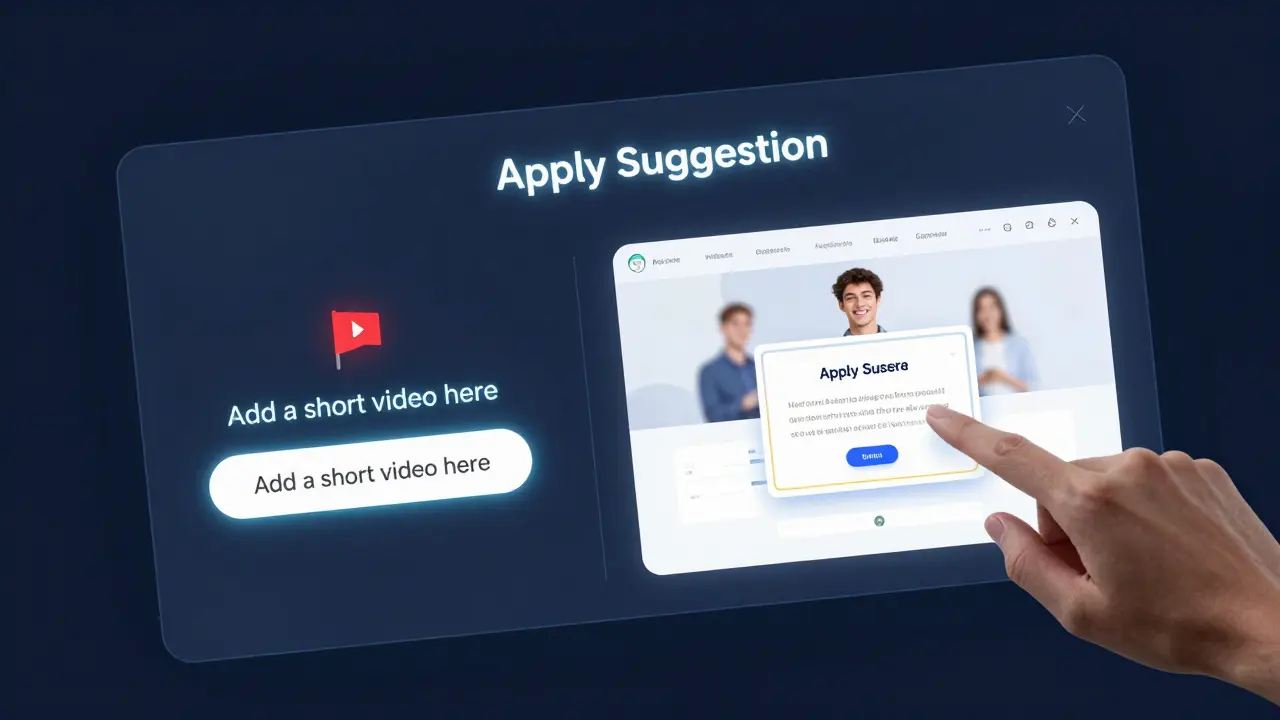
The best platforms don’t wait for you to break something. They watch for it. Canvas, used by universities and professional trainers alike, has built-in alerts that notify instructors when enrollment drops suddenly, when quiz completion rates fall below 60%, or when students are repeatedly stuck on the same module. These aren’t just analytics - they come with suggested actions: “Try adding a short video explanation here,” or “Your payment gateway may need updating.”
Meanwhile, platforms like LearnDash (a WordPress plugin) require you to find every issue yourself. No alerts. No nudges. Just a dashboard full of numbers. If you don’t know what to look for, you won’t fix what’s broken. That’s why instructors who switch from LearnDash to platforms like Podia or Thinkific often say the same thing: “I didn’t realize how much I was missing until I got help before I even asked for it.”
Support for Non-Tech Skills
Customer support isn’t just about fixing login issues. It’s about helping you teach better. Thinkific and Kajabi both offer free weekly workshops on course marketing, student retention, and pricing psychology. One instructor from Australia used a Kajabi session on “How to Turn One-Time Buyers Into Repeat Students” to increase her renewal rate by 47% in three months. That’s not customer service - that’s coaching.
Platforms that treat instructors like customers - not just users - build ecosystems around them. They offer templates for email sequences, downloadable student feedback forms, and even legal templates for terms of service. These aren’t upsells. They’re included. And they’re updated regularly based on real instructor feedback.
What the Top Platforms Get Right
Here’s what separates the platforms that help instructors from the ones that just host content:
- Teachable: 24/7 live chat, free one-on-one onboarding, and monthly instructor webinars. Their support team even helps with course design feedback.
- Thinkific: Dedicated success manager for new instructors, video walkthroughs for every feature, and a 24-hour email response guarantee.
- Kajabi: Live weekly Q&As, built-in marketing tools, and proactive alerts for student drop-offs.
- Udemy for Business: Short, practical video tutorials made by real instructors - no fluff, no corporate speak.
- Canvas: Data-driven alerts with actionable suggestions - perfect for educators who want to improve, not just manage.
On the other side? Platforms like LearnDash, LifterLMS, and many custom-built solutions require you to hire a developer to fix simple issues. They have no live support. No training. No proactive help. If you’re not tech-savvy, you’re on your own.

What to Look For When Choosing
Here’s a quick checklist to use when evaluating platforms:
- Do they offer live chat or phone support? (Not just email.)
- Is there a dedicated onboarding process for new instructors?
- Do they send alerts when something’s wrong - or do you have to find it yourself?
- Are there free training sessions or workshops included?
- Can you talk to other instructors using the platform? (Look for active community forums.)
If the answer to most of these is “no,” keep looking. Your time is worth more than the monthly fee.
Real Impact, Real Numbers
A 2025 survey of 1,200 online instructors showed that those using platforms with strong support earned 3.4 times more over six months than those on platforms with poor support. Why? Because they kept students engaged, fixed issues before they became complaints, and used built-in tools to improve their courses - not just host them.
One instructor, a former yoga teacher turned online wellness coach, switched from a basic platform to Thinkific. Within three months, her course completion rate jumped from 41% to 78%. She credits it to two things: automated reminders sent by the platform, and a support rep who helped her redesign her quiz flow after she mentioned students were dropping off after question five.
That’s the power of support done right.
Do all online course platforms offer the same level of support?
No. Support varies wildly. Some platforms offer 24/7 live chat, personalized onboarding, and proactive alerts. Others only provide email tickets and static help articles. Platforms like Teachable, Thinkific, and Kajabi invest heavily in instructor support because they know that happy instructors create better courses - and loyal students.
Can customer support really affect my course sales?
Absolutely. A 2025 study found that instructors using platforms with strong support earned 3.4 times more over six months. Why? Because quick fixes mean fewer student complaints, higher completion rates, and more referrals. When students can’t access content or payments fail, they leave - and they tell others. Good support stops that before it starts.
Is it worth paying more for a platform with better support?
If you’re serious about teaching online, yes. A $50/month platform with no live help might seem cheaper, but if you lose even one student per week due to unresolved issues, you’re losing $200-$500 a month in revenue. Platforms like Thinkific or Kajabi cost more upfront, but they save you time, reduce churn, and help you grow - often paying for themselves in the first month.
What if I’m not tech-savvy? Will I still be able to use these platforms?
Yes - if the platform designs for non-tech users. Thinkific, Kajabi, and Udemy for Business all offer step-by-step video guides made by real instructors, not developers. They avoid jargon. They show you exactly what to click. And if you get stuck? You can jump on a live call. The best platforms assume you’re focused on teaching - not troubleshooting.
Do any platforms help with marketing my course?
Yes. Kajabi and Thinkific include built-in email templates, landing page builders, and student retention tools - all designed by marketers who work with instructors daily. They don’t just host your course; they help you get students in the door. That’s not an add-on - it’s part of their core support.
Comments
Janiss McCamish
Teachable’s live chat saved my course last month. Student couldn’t access a module, I chimed in at 11 PM, got a human reply in 7 minutes. They walked me through the fix. No scripts. No bots. Just real help.
That’s why I won’t use anything else.
Richard H
Udemy for Business? Please. They take 50% of your revenue and give you a PDF. If you need hand-holding, go pay for a real platform. I’ve seen instructors bleed money on platforms that promise ‘support’ but vanish when you need them.
Kendall Storey
Look, I’ve used 7 different LMSs. Thinkific’s the only one that feels like a partner, not a vendor.
They don’t just fix bugs-they ask, ‘How’s your conversion rate?’ and send you a template to tweak your sales page.
That’s not customer service. That’s growth hacking with heart.
And yeah, I’m biased-I’m on their creator program-but even my skeptical buddy who teaches guitar lessons switched after one Zoom call with his success manager. No joke.
Ashton Strong
It is imperative to recognize that the quality of customer support directly correlates with instructor retention and student satisfaction.
Platforms that invest in human-centered support infrastructure are not merely providing a service-they are cultivating sustainable educational ecosystems.
One cannot underestimate the value of proactive, empathetic engagement in an increasingly digital pedagogical landscape.
Steven Hanton
I appreciate the detailed breakdown, but I’d add one thing: community matters as much as support.
I’ve been on platforms with great live chat but zero instructor forums.
Then I switched to Thinkific-suddenly I was talking to 200 other course creators who’d faced the exact same payment glitch I had.
Sometimes the best ‘support’ isn’t from the company-it’s from the people who’ve been there.
Pamela Tanner
One point needs clarification: the claim that ‘platforms like LearnDash require a developer’ is misleading. LearnDash is a plugin, not a standalone platform. It’s designed for WordPress users who already have technical infrastructure. Comparing it to SaaS platforms like Kajabi is like comparing a hammer to a power drill. Different tools for different users.
Kristina Kalolo
Canvas’s alerts saved me. I didn’t even notice my quiz completion rate had dropped to 43%. The system flagged it, suggested adding a short intro video, I did it, and now it’s at 81%. No email needed. No ticket. Just… insight.
ravi kumar
I’m from India, and I tried Teachable first. Support was amazing-English, fast, no attitude. But the pricing was too high for my students. Then I found Podia. Their support is slower, but they let me set prices in INR, and their team emailed me a custom guide on pricing for emerging markets. That meant more than a live chat.
Megan Blakeman
So true about the workshops! I went to a Kajabi session on ‘emotional pricing’-I cried. Not because it was sad, but because someone finally understood that I’m not selling a course, I’m selling confidence. They gave me a script to say that in my sales page. I used it. Sales went up 60%.
That’s not tech support. That’s soul support. 💛