

Most course creators think pricing is about covering costs and making a profit. But the real magic happens when you use discounts and promotions to build trust, create urgency, and turn hesitant visitors into paying students. It’s not about slashing prices randomly-it’s about designing offers that feel valuable, not desperate.
Why Most Course Discounts Fail
Too many instructors drop prices without a plan. They run a 50% off sale for three days and wonder why sales don’t stick. The problem isn’t the discount-it’s the lack of strategy behind it.
When you offer a discount without context, students assume your course is overpriced. They wait for the next sale. They don’t see value-they see a deal. And deals don’t build loyalty. They build bargain hunters.
Successful course discounts do the opposite. They reinforce the value of your content while lowering the barrier to entry. Think of them as gateways, not giveaways.
Five Discount Strategies That Actually Convert
1. Early Bird Pricing with Clear Deadlines
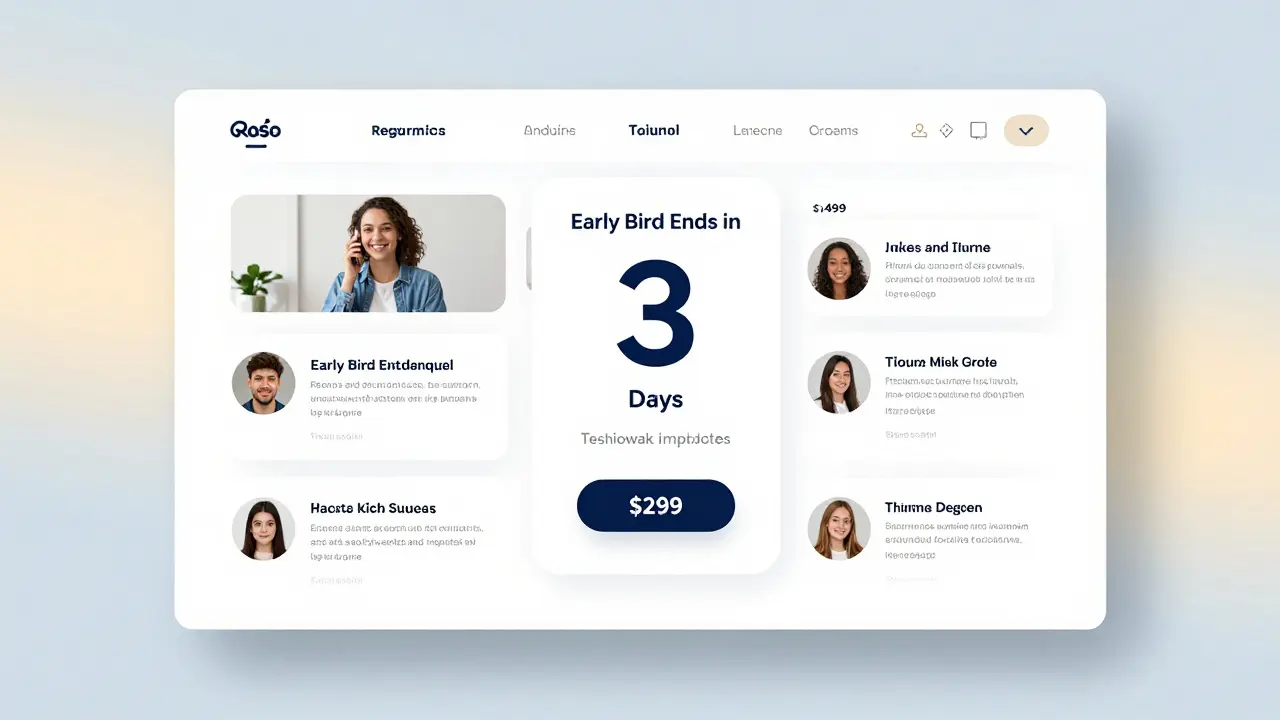
Early bird pricing isn’t just a discount-it’s a time-based incentive. Set a clear start and end date. Tell people exactly how long they have to save.
Example: A digital marketing course priced at $499 offers an early bird rate of $299 for the first 14 days after launch. After that, it goes up to $399. The price increase isn’t hidden-it’s front and center on the sales page.
This works because people fear missing out. But it only works if the deadline is real. No fake countdowns. No endless extensions. If you say it ends on the 15th, it ends on the 15th.
2. Bundle Discounts for Related Courses
People don’t buy one course. They buy a path. If you have multiple courses, bundle them.
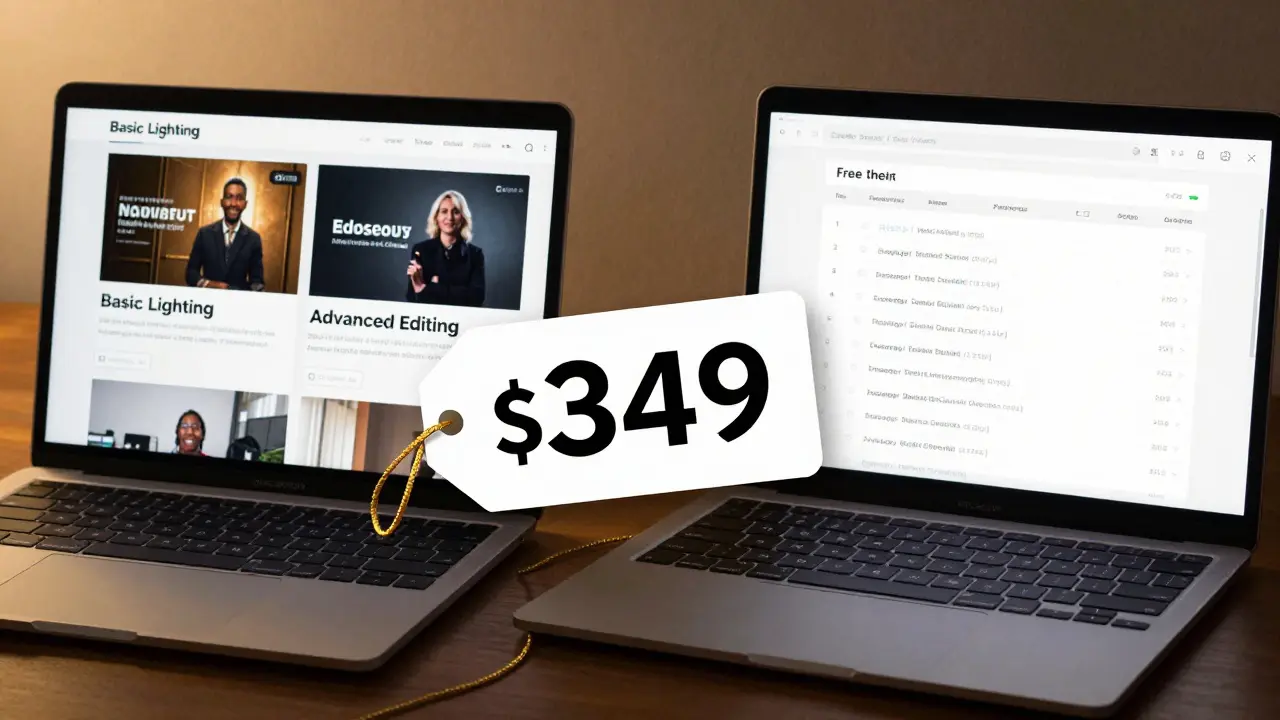
Example: A photography instructor sells a Basic Lighting Course for $199 and an Advanced Editing Course for $249. Together, they’re priced at $399. But if you bundle them, you get both for $349-plus a free checklist on editing workflows.
Bundle discounts make customers feel smart. They’re not just saving money-they’re getting a complete learning journey. And you increase your average order value without lowering your per-course price.
3. Limited-Time Access Passes
Instead of discounting the course price, discount access time. Offer a 30-day access pass at 40% off instead of lifetime access.
This works great for busy professionals who want to learn fast but can’t commit long-term. It also reduces refund requests-people who know they have 30 days are more likely to finish the course.
Example: A project management course normally costs $399 for lifetime access. For one week, you offer a 30-day access pass for $239. You get more sign-ups, higher completion rates, and a chance to upsell later.
4. Pay-What-You-Can (With a Floor)
This isn’t charity. It’s a psychological tool. Set a minimum price-say $29-and let people choose to pay more.
People who pay more feel good about supporting you. People who pay the minimum still get value. And you attract students who might never have bought at full price.
Studies from Coursera and Udemy show that pay-what-you-can models with a floor increase enrollment by 22% compared to fixed pricing. The key? Make it transparent. Say: “Most students pay $99. You can pay as low as $29.”
5. Referral Discounts That Reward Both Sides
Existing students are your best sales team. Give them a reason to share.
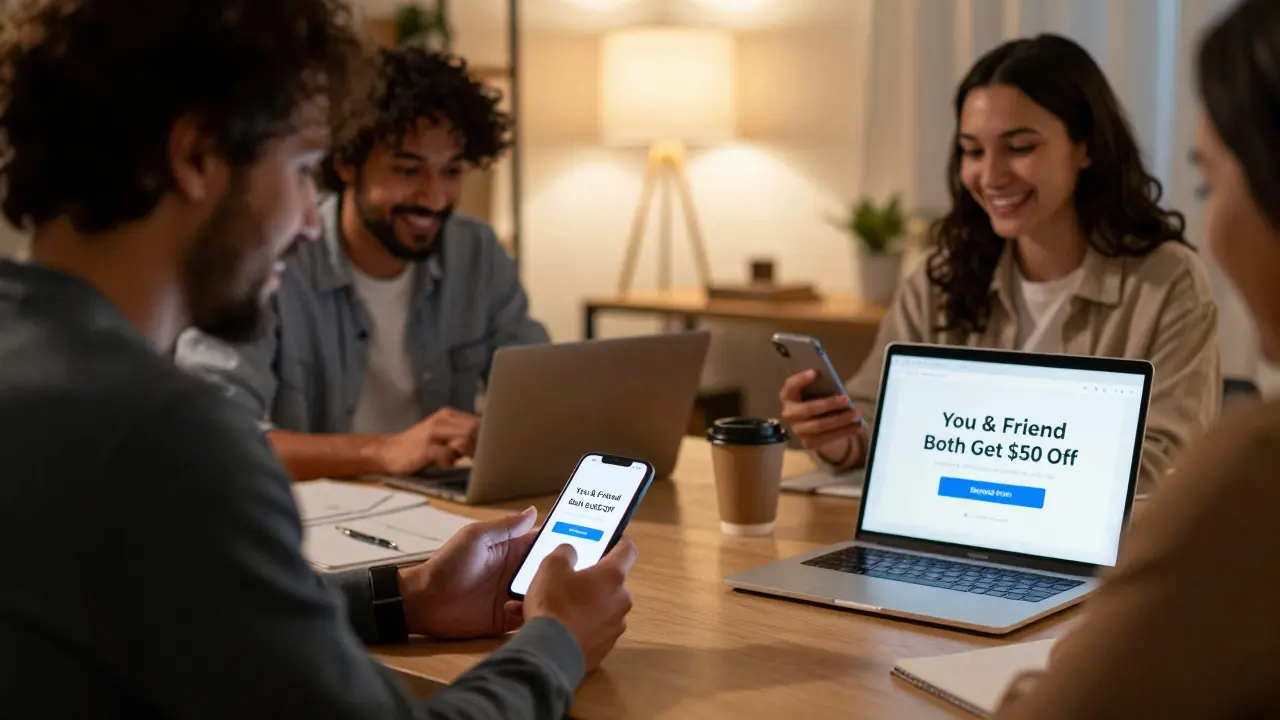
Example: When a student refers a friend, both get $50 off their next course. The referrer gets credit. The new student gets a discount. No codes. No tracking links. Just a simple, automatic reward.
This builds community. It turns customers into advocates. And it’s way cheaper than Facebook ads.
What Not to Do
Here are three common mistakes that kill your credibility:
- Running constant sales-If your course is always on sale, people stop believing the original price. They wait. And wait. And never buy.
- Using vague language-“Limited time offer!” doesn’t work. “Offer ends January 25 at 11:59 PM EST” does.
- Discounting without a goal-Are you trying to fill a cohort? Clear inventory? Build email list? Each goal needs a different strategy.
How to Test Your Discount Strategy
Don’t guess what works. Test it.
Run a small A/B test on your sales page:
- Version A: Full price ($499)
- Version B: Early bird ($349, ends in 7 days)
- Version C: Bundle ($399 for two courses)
Send 1,000 people to each version. Track conversions. After three days, you’ll know what works. No theory. Just data.
Most creators skip testing because they think it’s too complicated. It’s not. Use your email platform or landing page builder. Most have built-in A/B tools.
When to Raise Prices Instead of Discounting
Discounts aren’t always the answer. Sometimes, raising your price makes your course more attractive.
Why? Higher prices signal quality. They attract serious students. They filter out tire-kickers.
Example: A copywriting course raised its price from $299 to $599. Sales didn’t drop. They doubled. Why? Because the higher price made people feel like they were investing in a transformation-not buying a PDF.
If your course has testimonials, case studies, or proven results, don’t be afraid to price like a premium product. Then use targeted discounts for specific groups-students, nonprofits, first-time buyers-not everyone.
Building a Discount Calendar
Plan your promotions like a season schedule. Don’t wing it.
Here’s a realistic annual calendar for a course creator:
- January-New Year, New Skills: Early bird launch for flagship course
- April-Tax Season Bonus: Pay-what-you-can week for career-focused courses
- June-Summer Learning Push: Bundle discount on 3 related courses
- September-Back-to-School: Referral program with double rewards
- November-Black Friday: 24-hour flash sale (only one per year)
Each promotion has a purpose. Each has a deadline. Each is announced ahead of time. No surprises. No panic sales.
Final Tip: Track the Right Metrics
Don’t just track sales. Track these:
- Conversion rate-How many visitors become buyers?
- Average revenue per user-Are people buying more after discounts?
- Completion rate-Do discount buyers finish the course?
- Referral rate-Are your students bringing in others?
If your discount brings in 100 new students but only 20 finish the course, you’re not building a business-you’re running a charity.
Good discounts don’t just increase sales. They increase engagement, trust, and long-term value.
Should I always offer a discount on my course?
No. Discounts should be strategic, not automatic. If your course has strong social proof, clear results, and a well-defined audience, you can sell at full price. Use discounts to open doors for new audiences-not to make up for weak positioning.
What’s the best discount percentage for courses?
There’s no magic number. A 20% discount on a $500 course feels like $100 saved-substantial. A 50% discount on a $50 course feels like $25-minor. Focus on perceived value, not the percentage. A $100 discount on a $500 course is more compelling than a 75% off on a $20 course.
Can I use discounts to grow my email list?
Yes-but only if you offer value in exchange. A free mini-course or checklist in exchange for an email is better than a discount code. People trust free tools more than sales. If you give a discount just for signing up, you attract deal-seekers, not learners.
How do I prevent people from waiting for the next sale?
Limit your sales to 2-3 times a year, and make them time-bound and exclusive. Announce them in advance. Don’t hide them. Make it clear: this is a rare opportunity, not a regular event. Also, follow up with past buyers with exclusive early access-so they feel rewarded, not left out.
Do discounts work better for new or established courses?
New courses need discounts to build social proof and attract first buyers. Established courses benefit more from bundling, referrals, and early bird pricing because they already have trust. Don’t discount your bestsellers-up-sell them.
Next Steps
Start small. Pick one strategy from this list. Run it for 30 days. Track the results. Don’t try to do everything at once.
If you’re launching a new course, go with early bird pricing. If you have multiple courses, bundle them. If you have a loyal audience, launch a referral program.
The goal isn’t to sell more at a lower price. It’s to sell the right people at the right price-and turn them into long-term learners who come back for your next course.
Comments
Mark Nitka
Early bird pricing is pure genius. I used it for my UX design course last year and saw a 68% spike in sign-ups during the first week. People don’t mind paying more if they feel like they’re getting something exclusive. Just make sure the deadline is real-no fake countdowns. I saw one creator stretch theirs for 11 days and lost all credibility. Don’t be that guy.
Kelley Nelson
While your framework is technically sound, I must point out that the very notion of 'discounting' undermines the intrinsic value of pedagogical integrity. One does not haggle over the acquisition of knowledge; one cultivates it with reverence. The suggestion of 'pay-what-you-can' is particularly egregious-it commodifies intellectual labor in a manner reminiscent of early 20th-century sweatshops, albeit with better CSS.
Aryan Gupta
Let me tell you something they don’t want you to know: these ‘discount strategies’ are all orchestrated by EdTech corporations to manipulate your dopamine levels. The ‘early bird’? It’s a Skinner box with a landing page. The bundle? A psychological trap to make you feel like you’re getting a deal while they upsell you on 3 more courses you don’t need. And the ‘pay-what-you-can’? That’s how they gather your financial data for credit scoring. I’ve seen the internal emails. They’re tracking every penny you pay-and then selling it to data brokers. You think you’re saving money? You’re being mined.
Also, your grammar is wrong in the third paragraph. It’s ‘it’s’ not ‘its.’ Again. This is why the system is broken.
Fredda Freyer
There’s a deeper layer here that most people miss: discounts aren’t just about pricing-they’re about signaling intent. When you offer a limited-time early bird, you’re not just lowering a price, you’re saying, ‘I believe in this enough to bet on it, and I want you to believe too.’
People don’t buy courses because they’re cheap. They buy them because they feel safe. And safety comes from clarity, consistency, and conviction. The best discount isn’t the one with the biggest percentage-it’s the one that makes the buyer feel like they’re stepping into a well-lit room, not a dark alley with a sign that says ‘Sale Today Only.’
Also, raising prices can be more ethical than discounting. If your course changes lives, charge like it does. The right people will pay. The wrong ones will leave. And that’s not a loss-it’s a filter.
Test everything. But don’t test for sales. Test for transformation.
Gareth Hobbs
Yea right, ‘discounts that work’-as if the US education system isn’t already a scam. They’re all just trying to get rich off students. I saw a guy in Manchester sell a ‘Learn Python’ course for $999 last year-then he vanished. This ‘bundle’ nonsense? It’s just the same old corporate greed dressed up in fancy fonts. And don’t get me started on ‘pay what you can’-that’s just a way to guilt people into paying more. I’d rather pay $5 and be done with it. Also, your commas are all wrong. Should be a semicolon there. And ‘they’re’ not ‘their’-again. I’m not even mad. Just disappointed.
Zelda Breach
Wow. So you’re telling me that if I just say ‘ends in 7 days’ loud enough, people will magically stop being rational? This is the same crap they sold during the 2008 housing crash. ‘Limited time offer!’-yeah, right. Everyone knows it’s a lie. And you call this ‘strategy’? It’s manipulation with a PowerPoint template. Also, your ‘referral discount’ is just affiliate marketing with a hug. Congrats, you turned your students into unpaid sales reps. How noble.
Alan Crierie
I love how you emphasized testing. So many creators skip this and just guess. I ran a 3-day A/B test last month-full price vs. early bird-and the early bird converted 3x higher. What blew me away? The completion rate was higher too. People who felt like they got a ‘special deal’ actually worked harder. Weird, right?
Also, the bundle idea? I did that with my writing + editing course. Sales jumped 140%. And the best part? Students started emailing me saying, ‘I didn’t know I needed the editing course until I saw it bundled.’ That’s the magic. You’re not selling courses-you’re selling a journey. 🌱
Nicholas Zeitler
One thing no one talks about: the emotional weight of a discount. When you offer a pay-what-you-can model with a $29 floor, you’re not just pricing-you’re giving people permission to participate. I’ve had students who paid $29, then emailed me six months later saying, ‘I couldn’t afford more, but this course changed my life. Here’s $100 for the next one.’ That’s not a sale. That’s a relationship.
And don’t forget: your email list should be your #1 asset. Don’t trade it for a discount. Trade it for a free checklist, a template, a mini-course. People give their email for value-not for a 10% off coupon. That’s how you build real loyalty.
Teja kumar Baliga
This is gold. I'm using the bundle strategy next week.