


You know that feeling when you launch a course at $497, sell ten spots in an hour, and then watch the next fifty people hesitate? Or worse, you leave seats empty because you priced it too high for the first batch of skeptics? Static pricing is a blunt instrument. It assumes every student has the same urgency, the same budget, and the same value perception. But they don't. Dynamic pricing is a strategy where prices fluctuate based on demand, time, inventory, or customer segment, borrowed from airlines and hotels but increasingly vital for online educators. By adjusting your course fees based on when someone buys or which group they join, you can maximize revenue without alienating early adopters or leaving money on the table.
Why Static Pricing Leaves Money on the Table
Most creators set one price and stick to it. Maybe it’s $199 forever. That feels safe, right? No complaints about fairness. But look closer. The person who buys on day one takes a risk-they don’t know if the content is good yet. They deserve a discount. The person who buys on day thirty sees testimonials and social proof; they’re paying for certainty. If both pay $199, you’re undercharging the second buyer and over-discounting the first. Cohort-based courses are online classes where students progress through material together on a fixed schedule, creating natural scarcity and community pressure. This structure is perfect for dynamic adjustments. Unlike self-paced libraries where inventory is infinite, cohorts have limited seats. When supply is capped and demand varies by week, static pricing ignores market reality. You’re essentially selling concert tickets at the same price whether the band is unknown or famous, whether it’s Tuesday morning or Saturday night.
The Two Levers: Time and Cohorts
Dynamic pricing isn’t just random number changing. For courses, it usually revolves around two specific levers: time and cohort composition. Let’s break down how each works so you can pick the right mix.
Time-Based Adjustments (The Early Bird Effect)
This is the most common form. You lower the price as the launch approaches or raise it as the start date nears. Think of it like booking a flight. Book six months out? Cheap. Book three days before departure? Expensive. Why? Because latecomers have fewer options and higher urgency. For courses, this often looks like tiered launch windows:
- Super Early Bird: Lowest price, limited quantity (e.g., first 50 seats). Rewards loyalty and cash flow.
- Early Bird: Slightly higher, available until two weeks before start.
- Regular Price: Full price for the final week.
- Last Chance: Sometimes even higher if demand spikes, though this risks looking greedy unless justified by added bonuses.
Cohort-Based Adjustments (Scarcity and Quality)
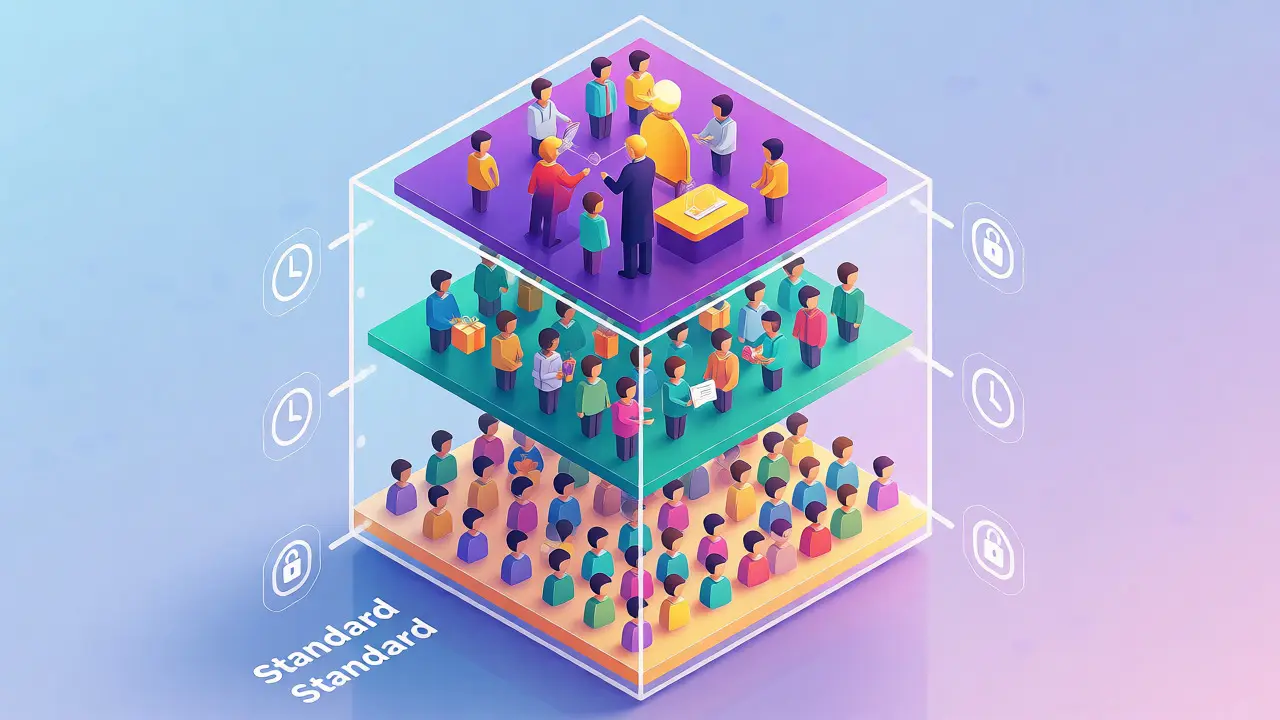
Cohorts add another layer. Not all cohorts are equal. A January cohort might be taught by the founder with live Q&A sessions. A June cohort might be run by a teaching assistant with recorded feedback. Same curriculum, different delivery cost and perceived value. Dynamic pricing lets you charge more for the premium experience. Also, consider the "waitlist effect." If your first cohort sells out instantly, you’ve proven demand exceeds supply. Your second cohort can launch at a higher base price. Conversely, if a cohort is half-empty two weeks before start, you might offer a flash discount to fill seats, knowing that empty seats generate zero revenue anyway. This is yield management, a term straight out of the airline industry, applied to education.
How to Implement Dynamic Pricing Without Chaos
You don’t need complex algorithms to start. In fact, simple rules work better because they’re easier to explain to customers. Here’s a practical framework.
Step 1: Define Your Baseline Value
What is the "true" price of your course? This isn’t what you think it’s worth; it’s what the market tolerates for full access. Run a survey or test with a small audience. Let’s say $500 is your baseline. Everything else pivots off this number.
Step 2: Set Clear Rules for Fluctuation
Decide upfront when and why prices change. Common triggers include:
- Inventory Thresholds: After 80% of seats are sold, price increases by 10%.
- Time Decay: Price drops 15% if enrollment is below 50% two weeks before start.
- Cohort Type: Premium cohorts (live instructor) are +20%; standard cohorts (self-paced) are -20%.
Step 3: Communicate the Logic
People hate feeling tricked. They accept dynamic pricing when they understand it. Use language like "early commitment reward" instead of "discount," and "peak demand adjustment" instead of "surcharge." Show a countdown timer on your sales page. Display remaining seats. Make the scarcity visible. When buyers see "Only 3 seats left at this price," they aren’t annoyed by the price hike; they’re motivated to act.
| Pricing Model | Best For | Complexity | Revenue Potential | Customer Trust Risk |
|---|---|---|---|---|
| Static Pricing | Self-paced libraries, low-touch products | Low | Medium | Low |
| Launch Tiering | New courses, building initial audience | Medium | High | Low (if transparent) |
| Yield Management | Limited-seat cohorts, high-demand events | High | Very High | Medium (requires automation) |
| Value-Based Tiers | Programs with varying support levels | Medium | High | Low |

Pitfalls to Avoid
Dynamic pricing can backfire if you’re not careful. The biggest mistake is unpredictability. If a customer sees the price jump $100 overnight with no notice, they feel cheated. Always give a grace period. If you announce a price increase, honor the old price for existing waitlist members or those who started checkout within the last 24 hours.
Another trap is discount fatigue. If you constantly lower prices to fill seats, you train your audience to wait for the sale. Never let the price drop below your "floor"-the minimum amount you’re willing to accept. Instead of dropping the price, add value. Throw in a bonus template, a one-on-one call, or extended access. This protects your brand’s perceived value while still closing the deal. Also, beware of arbitrage. If you allow reselling or sharing of accounts, dynamic pricing gets messy. One person buys at $200, shares with a friend who would have paid $400. You lost potential revenue. Restrict account sharing clearly in your terms.Tools and Automation
You don’t need to manually update prices every day. Most modern learning management systems (LMS) and checkout platforms handle this. Platforms like Teachable, Kajabi, or custom Stripe integrations allow you to set coupon expiration dates or limit quantities per price point. For advanced users, tools like Zapier can connect your LMS to spreadsheets to trigger email sequences when seat counts hit certain thresholds. You can automate the "price increase" announcement emails. When the system detects 90% capacity, it fires an email to the waitlist: "Last chance to lock in current rates." This removes the emotional burden of haggling and makes the process feel systematic rather than personal.
Case Study: The "Waitlist Flip" Strategy
Consider a hypothetical coding bootcamp called "CodeFast." Initially, they charged $2,000 flat. Enrollment was steady but slow. They switched to a dynamic model:
- Cohort A (March): Sold out at $2,000. Waitlist had 50 people.
- Cohort B (June): Launched at $2,200 due to proven demand. Filled 80% in one week.
- Cohort C (September): Launched at $2,200. Slow start. At T-minus 14 days, only 60% filled. They offered a $200 "commitment bonus" (not a price cut, but a refundable deposit credit) to push them over the line.
Final Thoughts on Fairness
Is dynamic pricing fair? Yes, if it’s transparent. Airlines don’t hide the fact that prices change. Neither should you. Your goal isn’t to squeeze every cent from every individual, but to align price with value delivered at the moment of transaction. Early birds take risk; they get rewarded. Latecomers get certainty; they pay for it. Cohort leaders get premium support; they charge for it. Start small. Pick one upcoming cohort. Try a two-tier launch. Track the conversion rates. Did the early tier sell faster? Did the regular tier maintain volume? Use that data to refine your next cycle. Over time, you’ll develop an intuition for how your specific audience responds to time and scarcity. And that intuition is worth more than any algorithm.
Does dynamic pricing confuse customers?
Not if you communicate clearly. Confusion arises when changes are hidden or sudden. Use countdown timers, clear "price ends on" dates, and explain the reason for the change (e.g., "due to high demand"). Transparency builds trust, whereas secrecy breeds suspicion.
Can I use dynamic pricing for self-paced courses?
Yes, but it's harder to justify since there's no scarcity. You can use time-based promotions (launch discounts, seasonal sales) or bundle pricing (buy now, save later). However, cohort-based courses are naturally better suited for dynamic pricing because of their limited capacity.
How much should I vary my prices?
A 10-20% variance is usually effective without causing backlash. Larger swings (like 50%) can feel manipulative unless tied to significant differences in deliverables (e.g., live vs. recorded). Start with small increments and measure elasticity.
What happens if I misjudge demand?
If you price too high and seats remain empty, you can always lower the price or add bonuses to stimulate demand. If you price too low and sell out instantly, you capture less revenue but build strong social proof for future cohorts. The latter is often preferable for new creators.
Do refunds affect dynamic pricing strategies?
Refunds can complicate inventory tracking. Ensure your system automatically releases seats back into the pool upon cancellation so that subsequent buyers see accurate availability. Otherwise, you might artificially inflate scarcity and frustrate customers trying to buy at peak times.