

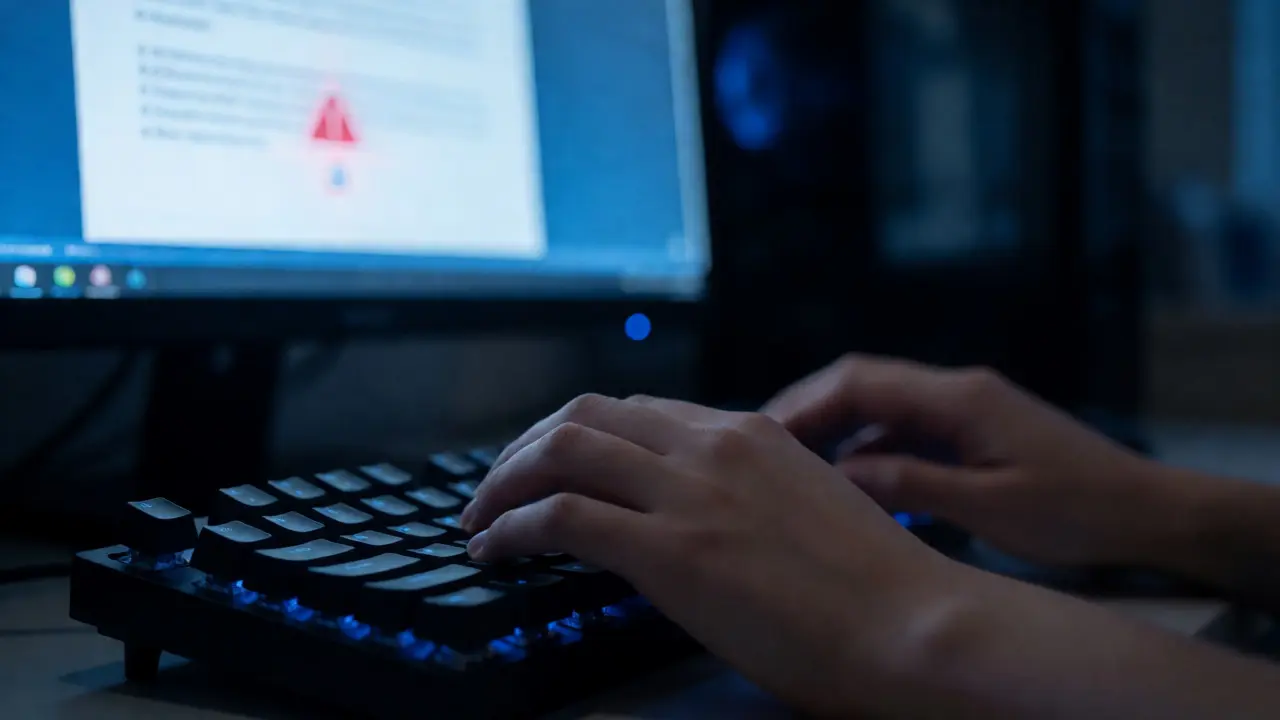
You handed in your essay on time. The structure was solid. The grammar was perfect. But when you got it back, the grade wasn't what you expected, and the comment read: "Suspected AI generation." It’s a scenario playing out in universities and high schools worldwide right now. We are living through a massive shift in how we define authorship. AI-assisted cheating is no longer just about copy-pasting from Wikipedia; it's about algorithmic outsourcing. If you're an educator trying to keep up, or a student trying to stay clean, you need more than just suspicion. You need guardrails.
The New Landscape of Academic Integrity
Let's be real: traditional plagiarism checkers like Turnitin were built for a different era. They looked for string matches against existing databases. Large Language Models (LLMs) like GPT-4 don't copy strings; they generate novel text based on probability. This breaks the old model of detection. When a student uses an LLM to rewrite a paragraph, the original source might disappear entirely, leaving no digital footprint for traditional tools to catch.
This isn't just a tech problem; it's a pedagogical crisis. If students can generate a passing-grade essay in thirty seconds, what are they actually learning? The goal of education has always been critical thinking and synthesis, not just information retrieval. Generative AI disrupts this by providing instant synthesis without the cognitive struggle that creates memory and understanding.
Detecting the Undetectable: How AI Detectors Work
You've probably heard of tools like GPTZero or Originality.ai. These platforms claim to spot machine-generated text with high accuracy. But how do they actually work? It comes down to two main metrics: perplexity and burstiness.
- Perplexity: This measures how predictable the text is. Human writing is often chaotic and surprising. AI writing tends to be statistically average and predictable. Low perplexity suggests AI involvement.
- Burstiness: This looks at sentence variation. Humans write with varied sentence lengths-short punchy ones followed by long complex ones. AI tends to produce uniform sentence structures. High burstiness usually signals human authorship.
However, relying solely on these detectors is risky. False positives happen. A non-native English speaker might have low perplexity because their grammar is rigidly correct. A student who writes very simply might get flagged as "AI" even if they did the work themselves. So, detection is a starting point, not a verdict.
| Method | Strengths | Weaknesses | Best For |
|---|---|---|---|
| Traditional Plagiarism Checkers | High accuracy for direct copying | Fails on paraphrased or generated text | Research papers with strict citations |
| AI Detectors (e.g., GPTZero) | Identifies statistical patterns of LLMs | False positives on simple writing; easily fooled by rephrasing | Initial screening of drafts |
| Process-Based Assessment | Evaluates the journey, not just the product | Time-consuming for instructors | Creative assignments and essays |
| Oral Defenses | Hard to fake knowledge on the spot | Logistically difficult for large classes | High-stakes final projects |
Designing Assignments That AI Can't Easily Hack
If you want to prevent cheating, stop assigning tasks that AI excels at. Asking a student to "Write a 500-word summary of the French Revolution" is an invitation for AI to do the heavy lifting. Instead, design assignments that require personal context, recent local events, or iterative processes.
Try shifting the focus from the final output to the creation process. Ask for version histories. In Google Docs or Microsoft Word, you can see exactly when text was typed and how much was deleted. If a 1,000-word essay appeared in five minutes with zero edits, that's a red flag. Conversely, if a document shows three days of drafting, multiple revisions, and significant deletions, it likely reflects genuine effort.
Another effective strategy is linking assignments to specific course materials or recent lectures. AI models have a knowledge cutoff date. They don't know what you said in class yesterday unless you feed them the transcript. Ask students to reference a specific debate that happened during last week's seminar. If they can't, they didn't attend, and they probably used AI to fill the gap.
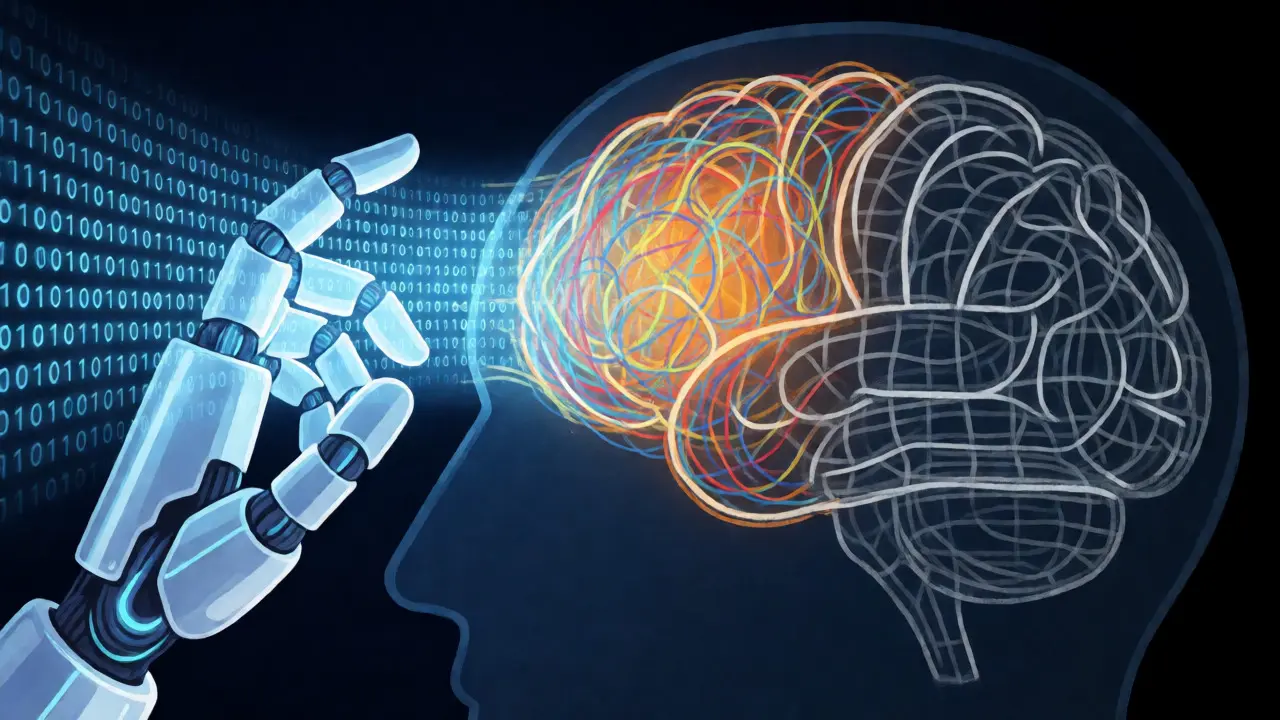
The Role of Policy and Transparency
Many institutions are still fumbling with their policies. Some ban AI outright; others allow it for brainstorming but not for drafting. The lack of clarity hurts everyone. Students don't know where the line is, so they either cheat excessively or avoid useful tools out of fear.
A clear policy should look something like this: "You may use AI for ideation and editing, but all submitted text must reflect your own analysis. You must disclose which tools you used and how." This transparency shifts the dynamic from policing to partnership. When students declare, "I used ChatGPT to outline my argument," you can evaluate their critical thinking skills separately from their typing speed.
Practical Guardrails for Educators
So, what can you actually do tomorrow? Here are four concrete steps to tighten your classroom without turning it into a surveillance state.
- Implement Process Portfolios: Require students to submit drafts alongside their final paper. Grade the progression, not just the result. This makes it harder to paste in a finished AI product at the last minute.
- Use In-Class Writing Prompts: Dedicate 15 minutes each week to handwritten or offline digital writing. This serves as a baseline for the student's voice. If their take-home essay sounds completely different from their in-class work, investigate.
- Leverage Metadata: Teach students that file properties matter. Document metadata includes creation dates, edit times, and author names. If a student submits a PDF created on their phone but claims they wrote it on a desktop, ask for clarification.
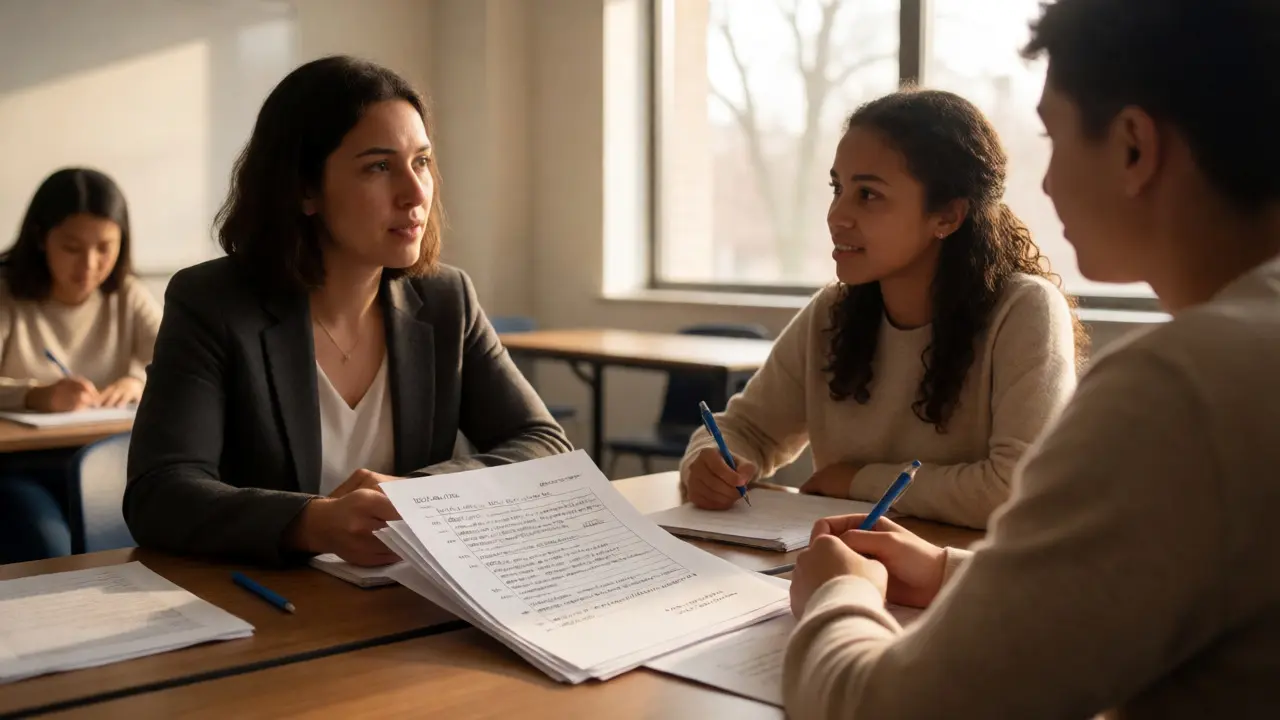
- Focus on Oral Assessments: For major grades, pair written work with a short oral defense. Ask the student to explain one specific claim in their paper. If they can't articulate their own reasoning, the work likely wasn't theirs.
The Student Perspective: Navigating Ethical AI Use
For students, the anxiety is real. You don't want to lose marks for using a tool that helps you learn. The key is intentionality. Using AI to check grammar is generally accepted. Using it to generate ideas is often fine. Using it to write the actual sentences is where things get murky.
Treat AI like a tutor, not a ghostwriter. If you use it to explain a concept you didn't understand in class, that's good study habits. If you paste the prompt "Explain quantum entanglement" and copy the answer, you haven't learned anything. Always verify facts. LLMs hallucinate-they make things up confidently. Citing a made-up case study from an AI response will embarrass you faster than any plagiarism detector.
Looking Ahead: Co-Evolution of Tech and Trust
We aren't going back to pre-AI classrooms. The technology is too embedded in daily life. The future of academic integrity lies in co-evolution. As AI gets better at mimicking humans, detection tools will need to become smarter, focusing less on text patterns and more on behavioral analytics. How does the student interact with the document? Do they pause, think, and delete? Or do they type continuously?
Ultimately, the goal isn't to catch every cheater. It's to preserve the value of the degree. If employers know that graduates can't write clearly or think critically because they outsourced those skills to algorithms, the credential loses its worth. Guardrails protect the reputation of both the institution and the student.
Can AI detectors be wrong?
Yes, frequently. AI detectors rely on statistical probabilities, not absolute truths. They often flag non-native speakers or students with simple, direct writing styles as AI-generated. Conversely, sophisticated prompting techniques can make AI text appear more human-like, leading to false negatives. Never rely on a single detector score as definitive proof of cheating.
Is using Grammarly considered cheating?
Generally, no. Tools like Grammarly focus on syntax, spelling, and style consistency rather than content generation. Most institutions distinguish between editing aids (like spellcheck) and generative aids (like ChatGPT). However, always check your specific course syllabus, as some strict professors may limit even advanced grammar suggestions.
How can I prove I wrote my own paper?
Keep your drafts. Save versions of your document throughout the writing process. Many word processors store edit history, showing when sections were added or modified. Additionally, maintain notes, outlines, and research sources. Being able to show the evolution of your thought process is the strongest evidence of authorship.
What happens if I'm falsely accused of AI cheating?
Stay calm and request a review. Provide your draft history and offer to discuss the paper orally with your instructor. Explain your writing style and why certain sections might trigger detection algorithms. Most reasonable educators prefer a conversation over immediate disciplinary action, especially given the unreliability of current detection tools.
Do AI detectors work on code?
Detecting AI-generated code is challenging because code follows strict logical rules, similar to AI outputs. While some tools specialize in code detection, many educators find it easier to test functionality. Asking students to debug or modify code live in class is often more effective than scanning the script itself for AI signatures.