

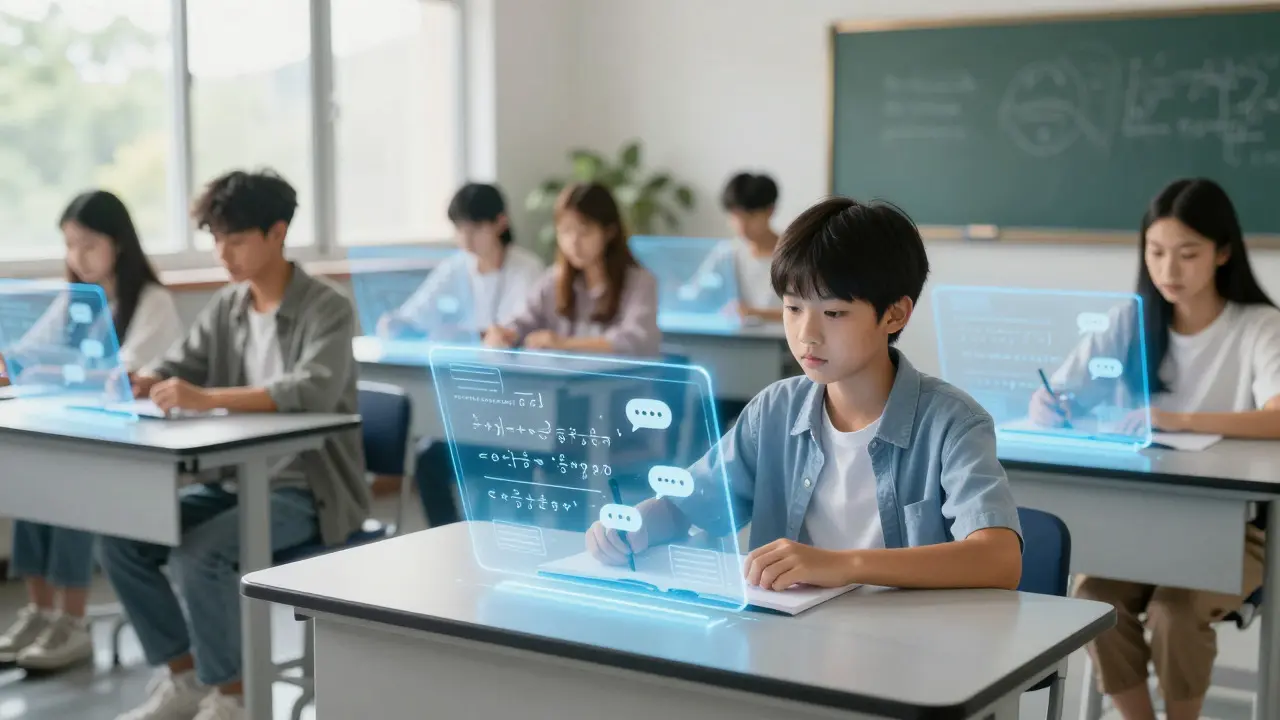
Imagine a classroom with three hundred students. Now imagine every single one of them getting detailed, specific feedback on their latest assignment within seconds, not days. For decades, this was the impossible dream of educators. We all know that personalization works-students learn faster when instruction matches their pace and style. But we also know that hiring enough tutors to give that level of attention is financially impossible for most institutions. That gap between what works best for learners and what is practically feasible is where AI tutoring systems are changing the game.
In 2026, these tools have moved far beyond simple chatbots that answer basic questions. They are sophisticated engines capable of analyzing student work, identifying knowledge gaps, and providing tailored guidance that mimics a human tutor’s intuition. The core promise isn't just automation; it's scaling the quality of one-on-one teaching without breaking the bank or burning out teachers.
The Evolution from Static Content to Dynamic Adaptation
To understand why current systems are so effective, you have to look at how they evolved. Early computer-assisted instruction (CAI) in the 1980s and 90s was rigid. If you got a question wrong, the system would simply show you the correct answer and move on. It treated every mistake as identical, regardless of whether you were confused by the concept, made a calculation error, or misread the prompt.
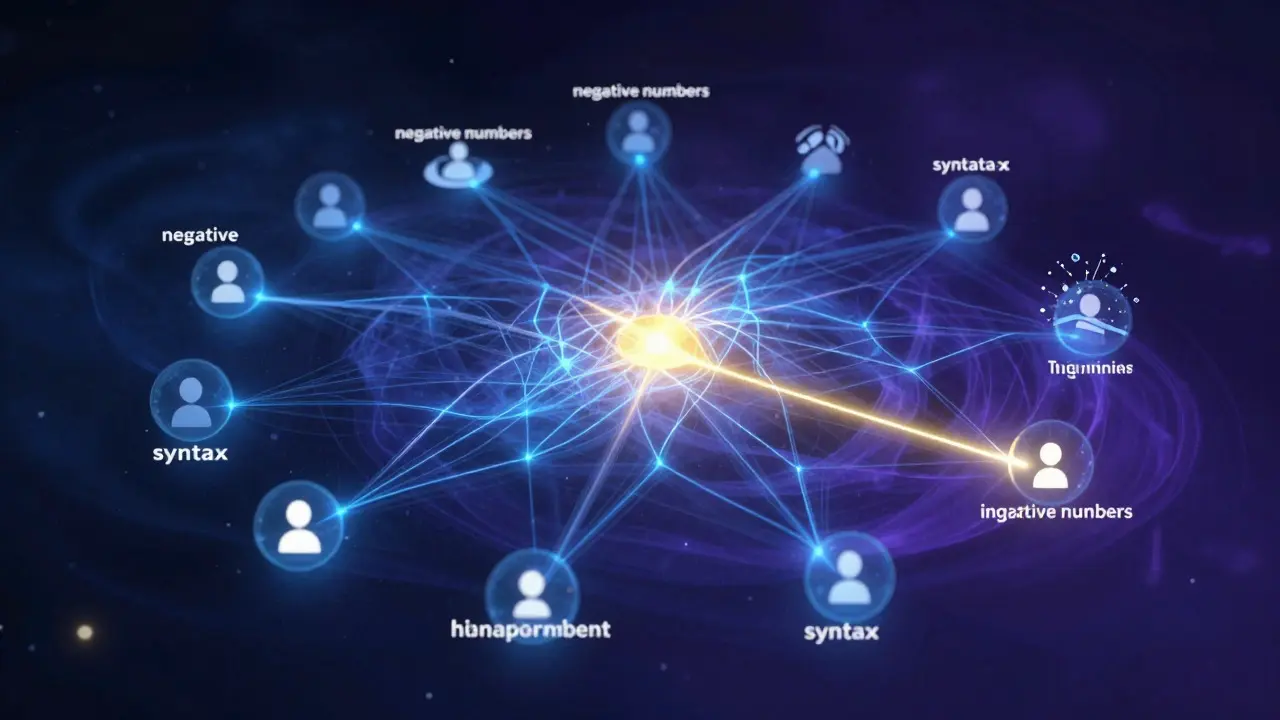
Modern Intelligent Tutoring Systems (ITS), however, rely on adaptive learning algorithms. These algorithms don't just track right or wrong answers. They model the student’s mental state. When a student struggles with a specific type of algebra problem, the system doesn't just repeat the lesson. It diagnoses the root cause-perhaps a misunderstanding of negative numbers-and serves a micro-lesson specifically targeting that gap before returning to the main topic. This shift from static delivery to dynamic adaptation is what makes true personalization possible at scale.
How Personalized Feedback Actually Works
The magic lies in the feedback loop. In a traditional setting, a teacher might grade an essay once a semester. By the time the student receives the feedback, the context has faded, and the opportunity for immediate correction is lost. AI tutoring systems close this loop instantly.
Here is the process in action:
- Data Capture: As a student interacts with the platform, the system records not just final answers, but clickstreams, time spent on questions, hesitation patterns, and revision history.
- Knowledge Tracing: Using models like Bayesian Knowledge Tracing or Deep Knowledge Tracing, the system updates its estimate of the student’s mastery level for each specific skill node in real-time.
- Intervention Generation: Based on the tracing data, the system selects the next optimal step. This could be a hint, a simpler prerequisite problem, or a direct explanation.
- Natural Language Processing (NLP): For open-ended responses, advanced NLP models analyze syntax, semantics, and argument structure to provide nuanced comments on clarity, logic, and tone, rather than just checking for keyword presence.
This means two students taking the same course can have completely different learning paths. Student A might breeze through introductory concepts and jump straight to advanced applications, while Student B receives scaffolded support and additional practice on foundational topics. Both reach the same learning outcome, but the journey is optimized for their individual needs.
Key Technologies Powering Modern AI Tutors
Several technological pillars support these systems. Understanding them helps clarify what to look for when evaluating tools for your institution or organization.
| Technology | Function in Tutoring | Impact on Personalization |
|---|---|---|
| Machine Learning (ML) | Predicts student performance and identifies at-risk learners. | Enables proactive interventions before failure occurs. |
| Natural Language Processing (NLP) | Analyzes text inputs, essays, and conversational queries. | Allows for feedback on complex, non-numerical tasks. |
| Knowledge Graphs | Maps relationships between concepts and skills. | Ensures logical sequencing of learning materials. |
| Generative AI | Creates unique examples, quizzes, and explanations on demand. | Provides infinite variation to prevent rote memorization. |
For instance, Generative AI allows the system to create new practice problems that are mathematically similar to ones the student missed, but with different variables. This prevents students from simply memorizing the solution to a specific problem and forces them to understand the underlying principle.
Benefits for Educators and Institutions
Critics often argue that AI replaces teachers. The reality in 2026 is quite different. AI tutoring systems act as force multipliers for educators. By handling the repetitive tasks of grading, initial feedback, and drill-and-practice instruction, these systems free up teachers to focus on high-value activities: mentorship, complex discussion facilitation, and emotional support.
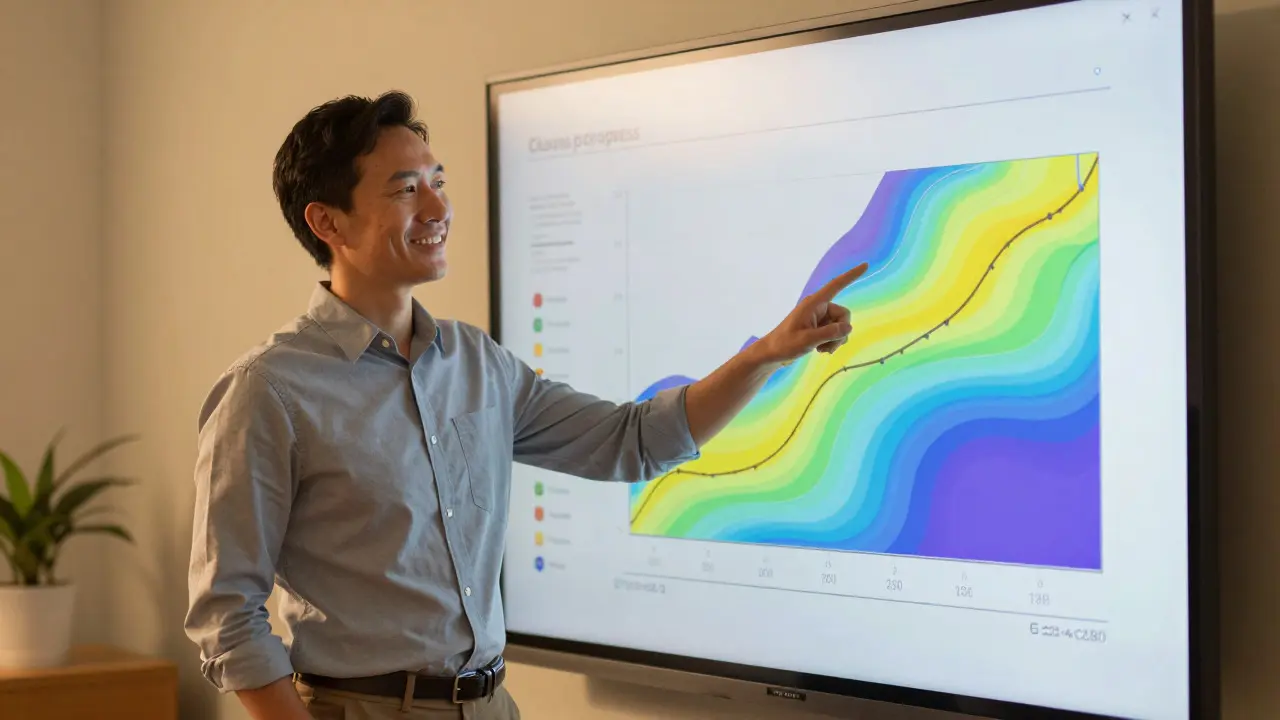
Teachers gain access to learning analytics dashboards that provide a bird's-eye view of class progress. Instead of guessing which concepts are causing trouble, instructors see precise data points showing that 40% of the class is struggling with a specific sub-topic. This allows for targeted mini-lessons during class time, making face-to-face interaction more efficient and impactful.
Furthermore, these systems democratize access to high-quality tutoring. Historically, one-on-one tutoring was a luxury reserved for wealthy families. AI brings that level of instructional density to public schools, community colleges, and corporate training programs worldwide, helping to close achievement gaps driven by resource inequality.
Challenges and Limitations to Consider
Despite the advancements, AI tutoring is not a silver bullet. There are significant hurdles that institutions must navigate.
The "Black Box" Problem: Many advanced ML models are opaque. It can be difficult for educators to understand exactly why the system recommended a specific path for a student. This lack of explainability can erode trust among both teachers and parents. Transparency in algorithmic decision-making is becoming a critical requirement for adoption.
Emotional Intelligence Gap: While AI can detect frustration through typing speed or repeated errors, it lacks genuine empathy. It cannot read subtle social cues or provide the motivational boost that a caring human mentor offers. Successful implementations always keep the human in the loop, using AI to inform human intervention rather than replace it entirely.
Data Privacy and Security: Collecting granular data on student behavior raises serious privacy concerns. Institutions must ensure compliance with regulations like FERPA (in the US) or GDPR (in Europe). Data must be anonymized, stored securely, and used strictly for educational purposes. Vendors need to be vetted rigorously for their data handling practices.
Implementing AI Tutoring Successfully
If you are considering integrating these systems into your curriculum, start small. Don't try to overhaul an entire department overnight. Begin with a pilot program in a single course where feedback volume is high, such as introductory programming or mathematics.
Involve faculty early in the selection process. Teachers need to feel ownership over the tool, not alienated by it. Provide training not just on how to use the software, but on how to interpret the data it generates. The goal is to create a hybrid learning environment where AI handles the scalable parts of instruction, and humans handle the relational and complex cognitive parts.
Finally, measure outcomes rigorously. Look beyond test scores. Assess changes in student engagement, retention rates, and satisfaction levels. Use this data to refine your implementation strategy and demonstrate value to stakeholders.
The Future of Personalized Learning
As we move further into 2026 and beyond, AI tutoring systems will become even more integrated and seamless. We are seeing the rise of multimodal tutors that can interpret voice, gesture, and facial expressions to gauge understanding and engagement. Virtual reality (VR) environments combined with AI tutors offer immersive learning experiences for fields like medicine and engineering, where spatial reasoning and procedural memory are critical.
The ultimate goal is not to create a world without teachers, but to create a world where every student has access to the kind of personalized, responsive instruction that was previously unimaginable at scale. By leveraging these technologies wisely, we can build educational ecosystems that are more equitable, efficient, and effective for all learners.
What is the difference between an AI tutor and a standard online course?
A standard online course delivers the same content to every student in a fixed sequence. An AI tutor adapts the content, pace, and feedback based on each student's individual performance and knowledge gaps. It acts like a personal guide rather than a static library.
Can AI tutoring systems replace human teachers?
No. AI excels at delivering personalized feedback and practicing skills, but it lacks empathy, social intelligence, and the ability to mentor. The most effective models use AI to handle routine tasks, freeing human teachers to focus on complex instruction, motivation, and social-emotional support.
How do AI tutoring systems protect student data?
Reputable systems comply with strict privacy laws like FERPA and GDPR. They use encryption for data in transit and at rest, anonymize data for analysis, and give users control over their information. Institutions should always review vendor privacy policies and data processing agreements before adoption.
Are AI tutoring systems effective for all subjects?
They are currently most mature in STEM fields like math, science, and coding, where answers are often objective. However, advances in Natural Language Processing are making them increasingly effective for humanities subjects like writing, history, and literature, where they can analyze argument structure, grammar, and historical accuracy.
What is Knowledge Tracing in AI tutoring?
Knowledge Tracing is a statistical method used by AI to estimate a student's mastery of a specific skill over time. By analyzing a sequence of correct and incorrect answers, the system predicts the probability that the student knows the material, allowing it to adjust the difficulty and type of subsequent questions accordingly.