

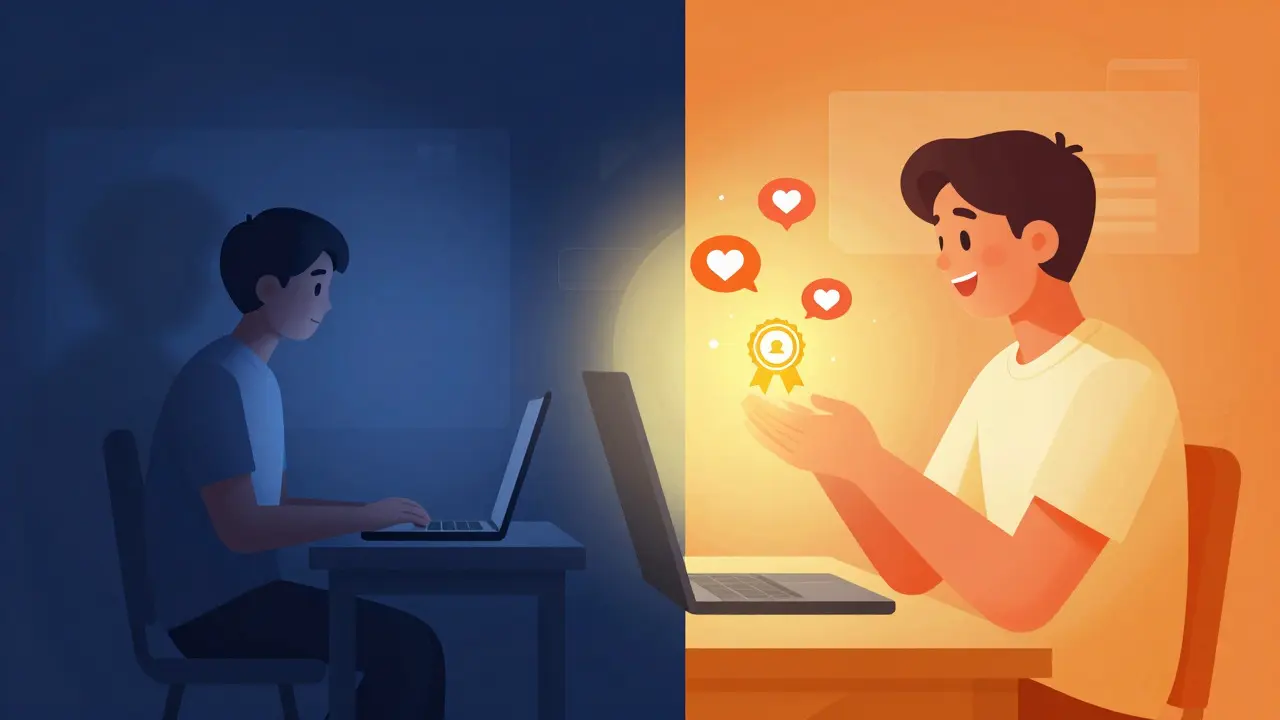
It is easy to feel invisible when you are taking an online course. You log in, watch a lecture, submit an assignment, and log out. There is no high-five from a professor, no nod of approval from a peer, and often, no sense that anyone really noticed the effort you put into that essay or project. This lack of visibility is one of the biggest killers of motivation in digital education. But what if your hard work could be seen, celebrated, and shared with the entire class? That is exactly what recognition programs and student spotlights do.
In traditional classrooms, social reinforcement happens naturally. In virtual environments, it has to be designed intentionally. When instructors implement structured ways to highlight student achievement, they bridge the emotional gap between isolation and community. This article breaks down how these tools work, why they matter for retention, and how you can set them up without adding hours to your workload.
The Psychology Behind Virtual Recognition
Why does being recognized online actually change behavior? It comes down to basic human psychology. Students need to feel competent, autonomous, and connected to others. These are the three pillars of Self-Determination Theory, a framework widely used in educational psychology. In a physical classroom, connection is built through casual interactions. Online, those interactions vanish unless we create them.
When a student receives public acknowledgment for their work, two things happen. First, their dopamine levels spike, reinforcing the behavior that led to the recognition. Second, they feel a stronger sense of belonging to the cohort. A simple "Great job" in private feedback is nice. But featuring a student’s project on the course homepage or mentioning their contribution in a weekly newsletter signals to the entire group: "This person matters here."
Consider the difference between a generic grade and a spotlight. A grade tells a student where they stand academically. A spotlight tells them where they stand socially and professionally within the learning community. For adult learners, who are often balancing jobs and family, this social validation can be the difference between finishing a degree and dropping out.
| Recognition Type | Primary Psychological Driver | Typical Impact on Retention |
|---|---|---|
| Private Feedback | Competence | Low to Moderate |
| Public Praise (Forum) | Relatedness | Moderate |
| Student Spotlight Feature | Autonomy & Status | High |
| Digital Badges/Certificates | Achievement & Mastery | High |
Designing Effective Student Spotlights
A student spotlight is not just a shout-out. It is a curated narrative about a learner’s journey, challenges, and successes. To make it effective, it needs structure. Randomly picking names can lead to perceptions of bias or favoritism. Instead, use clear criteria.
Here is a simple framework for running a weekly or monthly spotlight:
- Define the Criteria: Are you highlighting academic excellence, creative problem-solving, peer support, or persistence? Be explicit. If you want to encourage collaboration, spotlight students who helped others in discussion forums.
- Create a Submission Process: Don’t just pick people out of thin air. Allow students to nominate themselves or each other. This gives agency to the learners and ensures diverse voices are heard.
- Use Multiple Formats: Not everyone wants to be on camera. Offer options like a written interview, a short video clip, or a showcase of their final project. A text-based profile respects privacy while still offering visibility.
- Rotate Platforms: Feature the spotlight in different places. One week it might be the header image of the Learning Management System (LMS). The next week, it could be an email blast to all enrolled students. Variety keeps it fresh.
For example, in a graphic design course, instead of just posting a grade, the instructor might feature a student’s portfolio piece with a quote about their design process. This not only recognizes the student but also provides a concrete example for other learners to study. It turns recognition into a teaching tool.

Beyond Spotlights: Structured Recognition Programs
While spotlights are powerful, they are episodic. A full recognition program offers continuous feedback loops. These programs integrate acknowledgment into the daily rhythm of the course. They move beyond occasional praise to systematic validation of effort and skill acquisition.
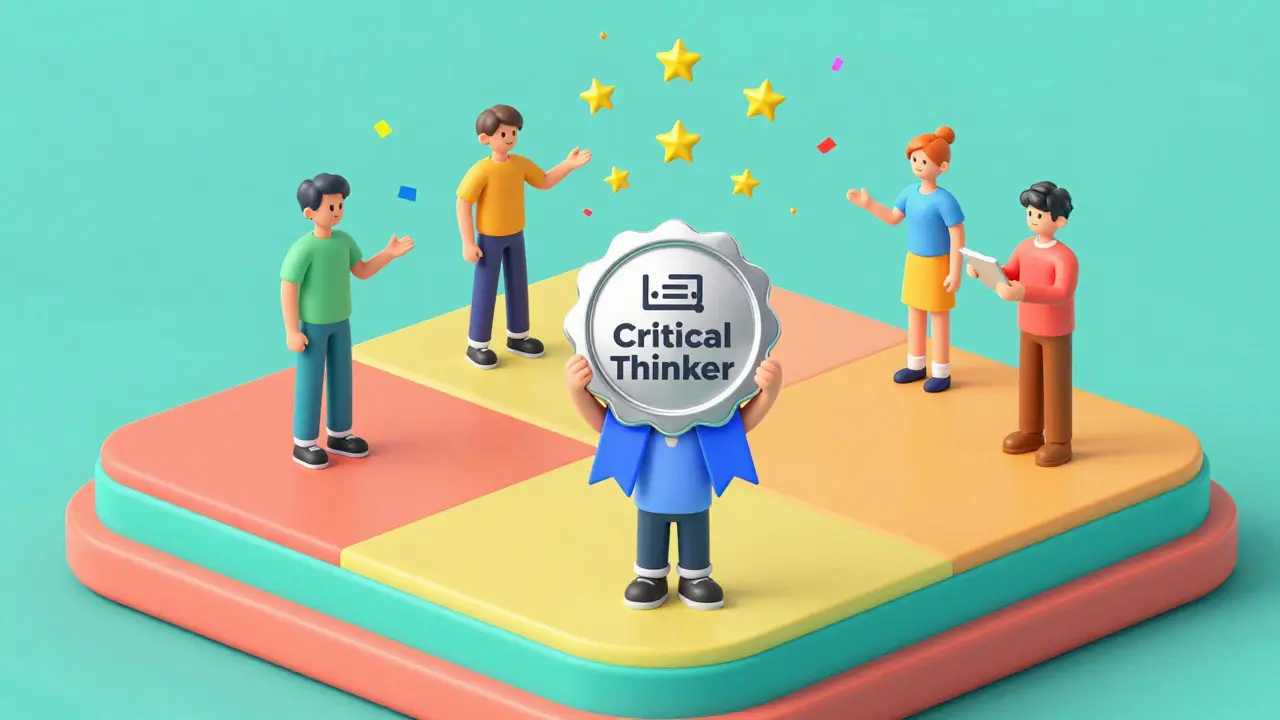
One highly effective method is the use of digital badges. Unlike grades, which are comparative, badges are mastery-based. A student earns a "Critical Thinker" badge for consistently asking insightful questions in discussions. They earn a "Collaborator" badge for helping peers troubleshoot technical issues. These badges can be displayed on their LMS profile or even exported to LinkedIn.
Another approach is the "Peer Kudos" system. At the end of each module, students are asked to leave one positive comment for a peer whose work inspired them. This creates a culture of mutual appreciation. It shifts the dynamic from competitive to cooperative. Research in online pedagogy shows that courses with structured peer-recognition mechanisms see significantly higher rates of forum participation.
You can also implement milestone celebrations. When a student completes a difficult assignment or reaches the halfway point of a long-term project, send an automated but personalized congratulatory message. Small gestures accumulate over time to build a strong sense of progress.
Implementation Strategies for Instructors
Many instructors hesitate to add recognition programs because they fear it will increase their workload. The key is automation and delegation. You do not need to write every spotlight post yourself.
Start by leveraging your Learning Management System’s capabilities. Most modern platforms like Canvas, Moodle, or Blackboard have features that allow you to pin posts, highlight top contributors, or award points for specific actions. Use these native tools first. They require minimal setup and integrate seamlessly with existing workflows.
If you want to go further, consider appointing student ambassadors. In larger courses, select a few engaged students to help identify peers who deserve recognition. Give them a simple template to fill out when they notice exceptional work. This distributes the labor and empowers students to take ownership of the community culture.
Also, think about timing. Recognition is most effective when it is timely. Waiting until the end of the semester to acknowledge great work misses the opportunity to reinforce positive behaviors during the learning process. Aim for weekly or bi-weekly cycles of recognition.
Pitfalls to Avoid
Even well-intentioned recognition programs can backfire if not handled carefully. Here are common mistakes to watch out for:
- Favoritism Perceptions: If the same five students are always highlighted, others may disengage. Ensure rotation and diversity in who gets recognized. Mix high achievers with those who show significant improvement.
- Over-Commercialization: Avoid making recognition feel transactional. It should feel genuine, not like a marketing tactic. Keep the tone warm and personal.
- Ignoring Introverts: Some students dread public attention. Always offer opt-out options. Private recognition via direct message can be just as valuable for some learners.
- Lack of Specificity: Vague praise like "Good job" is weak. Be specific. Say, "Your analysis of the market trends in Module 3 showed deep understanding of consumer behavior." Specificity proves you actually looked at their work.
Measuring Success
How do you know if your recognition program is working? Look at engagement metrics. Track changes in forum participation rates, assignment submission times, and drop-out rates. Compare these figures before and after implementing the program.
Survey students directly. Ask them how visible they feel in the course. Do they feel connected to their peers? Qualitative feedback is often more revealing than quantitative data. If students report feeling more motivated and less isolated, you are on the right track.
Finally, observe the quality of interactions. Are students building on each other’s ideas? Are they offering constructive feedback? A healthy recognition culture fosters deeper intellectual engagement, not just superficial activity.
How often should I feature student spotlights?
Aim for weekly or bi-weekly features depending on your class size. Weekly works well for smaller cohorts to maintain momentum. For larger classes, bi-weekly prevents burnout and allows for more detailed profiles. Consistency is more important than frequency.
Can recognition programs reduce cheating in online courses?
Indirectly, yes. When students feel valued and connected, they are less likely to disengage and resort to dishonest shortcuts. Recognition builds intrinsic motivation, which is a stronger deterrent against cheating than surveillance alone.
What if a student feels left out of recognition programs?
Provide multiple avenues for recognition. Not everyone fits the "star performer" mold. Recognize effort, improvement, creativity, and peer support. Also, ensure there are private channels for feedback so quieter students still feel seen.
Do digital badges have real value for students?
Yes, especially if they are shareable on professional networks like LinkedIn. Badges serve as micro-credentials that demonstrate specific skills. They provide tangible evidence of learning that students can use in job applications.
How do I start a recognition program with zero budget?
Start with what you have. Use your LMS discussion boards to pin exemplary posts. Send personalized emails praising specific contributions. Create a simple "Hall of Fame" document that updates each week. Creativity matters more than cost.