


You just finished that certification. You have the badge on your LinkedIn profile and the PDF certificate in your email folder. But when you apply for jobs, recruiters still ask, "Tell me about your experience." It’s frustrating. The credential exists, but it doesn’t seem to carry weight. Why? Because a piece of paper-or a digital badge-only has value if someone else decides it matters.
In 2026, the job market is saturated with online courses and micro-credentials. Everyone has a certificate. To stand out, you can't just collect them; you have to validate them. The secret isn't studying harder. It's building direct relationships with the people who hire. When hiring managers know you personally, your credential stops being a generic claim and becomes a trusted recommendation.
The Gap Between Certification and Hiring
Most learners treat credentials as a destination. They finish the course, get the grade, and assume the door opens. In reality, the credential is just an invitation to start a conversation. Without context, a certificate is ambiguous. Does it mean you passed a multiple-choice test? Did you build a real project? Can you actually do the work?
Hiring managers are skeptical because they’ve seen too many candidates with impressive resumes but poor practical skills. This is known as the "skills gap." Employers don't trust certificates blindly anymore. They trust networks. If a hiring manager sees your name associated with a respected industry partner or a colleague they respect, your credential instantly gains credibility. You move from "unverified applicant" to "known quantity."
To bridge this gap, you need to shift your mindset. Stop viewing your education as a solo achievement. Start viewing it as a platform for connection. Your goal isn't just to learn; it's to be seen by the right people while you learn.
Identify the Right Employers to Target
Not all employers care about your specific credential. Trying to network with everyone is inefficient and often annoying. You need to identify which companies value the specific skills you’re certifying in. Look at job descriptions for roles you want. Which companies mention your certification or related tools explicitly? These are your high-value targets.
- Industry Leaders: Large corporations often have structured partnerships with educational providers. They recognize specific badges and may fast-track applicants who hold them.
- Growing Startups: Smaller companies often lack formal HR processes. They rely heavily on personal referrals and direct outreach. A strong relationship here can bypass resume screening entirely.
- Alumni Networks: Companies where former students from your program already work. These employees are more likely to advocate for new graduates from the same school.
Create a list of 10-15 target companies. Research their current projects and pain points. If you’re getting certified in data analysis, find out which departments at these companies are expanding their analytics teams. This preparation makes your outreach relevant, not random.
Leverage Instructors as Industry Bridges
Your instructors are often your most underutilized asset. Many course creators and teachers maintain active careers in the industry. They aren't just academics; they are practitioners who know what employers need. Building a relationship with your instructor is the first step toward building relationships with employers.
Don’t wait until the end of the course to say hello. Engage during live sessions. Ask thoughtful questions that show you’re thinking about real-world application, not just passing the exam. After class, send a brief note thanking them for a specific insight. Over time, this builds rapport.
Once you have a connection, ask for advice, not a job. Say something like, "I’m interested in how [Company X] uses [Skill Y]. Do you have any contacts there who might be open to a quick chat?" Instructors are often happy to make warm introductions because it reflects well on their program’s success. A referral from an instructor carries significantly more weight than a cold application.

Engage in Project-Based Collaboration
The best way to prove the value of your credential is to use it. Instead of doing course projects in isolation, seek opportunities to collaborate with external stakeholders. Some programs offer capstone projects with real clients. If yours doesn’t, create your own.
Reach out to small businesses or non-profits that might benefit from your skills. Offer to solve a specific problem using the methods you learned in your course. For example, if you’re learning digital marketing, offer to audit a local nonprofit’s social media strategy. Document the process and results. Now, your credential is backed by a case study and a testimonial from a real user.
This approach does two things. First, it gives you tangible evidence of competence. Second, it puts you in front of potential employers. The person you helped might work for a larger company later, or they might refer you to colleagues. You’re building a portfolio of relationships, not just a portfolio of projects.
Strategic Networking Beyond the Classroom
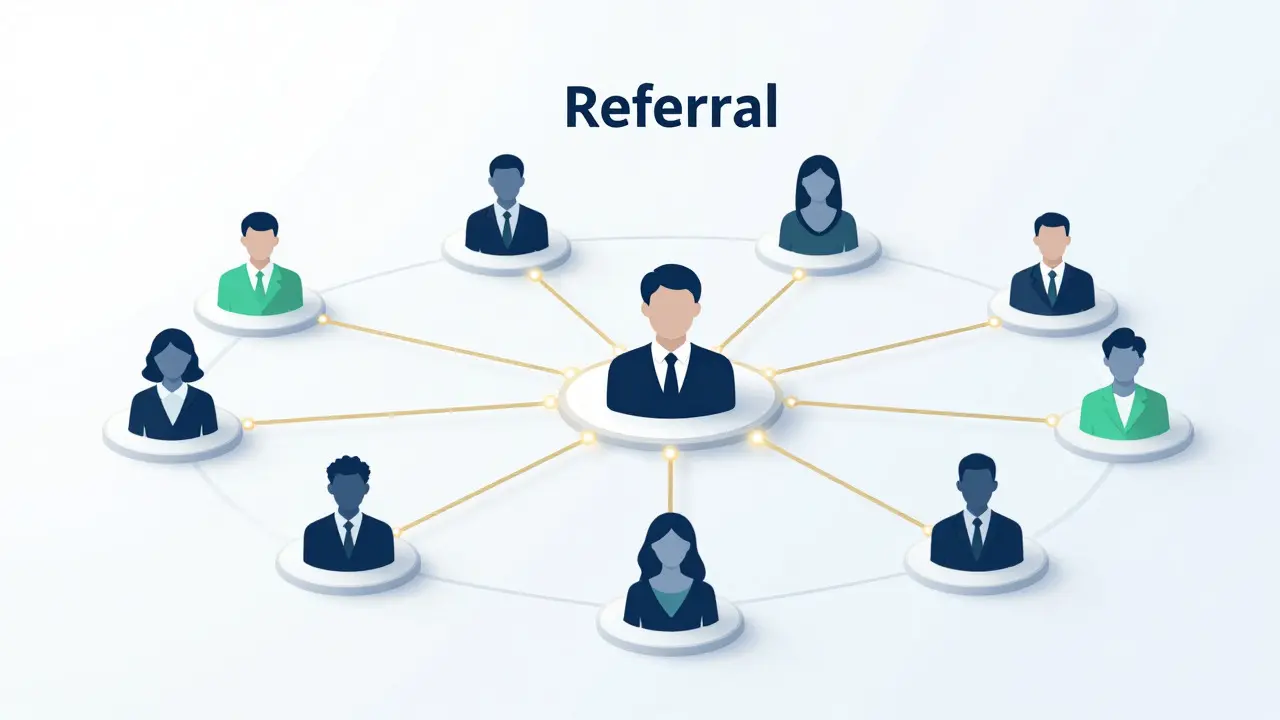
Networking isn’t just about handing out business cards. It’s about providing value before asking for anything. Join professional associations related to your field. Attend webinars, conferences, and local meetups. Use platforms like LinkedIn to engage with content posted by hiring managers at your target companies.
When you comment on a post, add substance. Don’t just say "Great article." Share a specific takeaway from your recent coursework that relates to their point. Mention how a concept from your course credentials helped you understand their perspective better. This shows you are actively learning and applying knowledge, making you memorable.
Informational interviews are powerful tools. Request 15-minute calls with professionals in roles you aspire to. Ask about their day-to-day challenges and how they evaluate candidates. Most people enjoy sharing their expertise. By the end of the call, you’ll have insights into what really matters to employers, and they’ll have a positive impression of you. When a job opens up, they’ll think of you.
Measuring the Return on Relationship Building
How do you know if your efforts are working? Track your interactions. Keep a simple spreadsheet of who you’ve contacted, when, and what the outcome was. Look for metrics like response rates, meetings scheduled, and referrals received. If you’re sending 20 personalized messages and getting zero replies, refine your approach. Are you targeting the right people? Is your message clear and concise?
Also, monitor changes in your job search outcomes. Are you getting more interview callbacks? Are recruiters mentioning your specific projects or connections? These are signs that your credential is gaining traction. The goal is to move from being a faceless applicant to a known professional with verified skills.
| Aspect | Traditional Approach | Relationship-Driven Approach |
|---|---|---|
| Focus | Earning the certificate | Validating skills through connections |
| Outreach | Cold applications | Warm referrals and networking |
| Proof of Skill | Grade/Badge | Case studies and testimonials |
| Employer Trust | Low (generic) | High (personalized) |
| Time Investment | Short-term (course duration) | Long-term (ongoing engagement) |
Maintaining Long-Term Professional Connections
Building relationships is not a one-time task. It requires maintenance. Once you’ve connected with a hiring manager or industry peer, keep the line open. Share relevant articles, congratulate them on promotions, or update them on your progress. Consistency builds trust over time.
Use a CRM tool or even a simple calendar reminder to follow up every few months. A short note saying, "Saw this article and thought of our conversation about AI trends," keeps you top-of-mind without being pushy. When you eventually apply for a role, you’re not starting from scratch. You’re continuing an existing dialogue.
Remember, the value of your credential grows as your network grows. Each connection adds another layer of verification to your professional identity. In a world full of noise, being known is the ultimate competitive advantage.
Why don't my course credentials help me get hired?
Credentials alone lack context. Hiring managers see thousands of certificates. Without a personal connection or proof of practical application, your credential blends in with the crowd. You need to validate your skills through relationships and real-world projects to stand out.
How do I find hiring managers to connect with?
Start by identifying target companies that value your specific skills. Use LinkedIn to find recruiters and team leads in those organizations. Look for mutual connections or alumni from your program who work there. Warm introductions via instructors or peers are much more effective than cold messaging.
Can instructors really help me get a job?
Yes, many instructors maintain active industry ties. They can provide referrals, recommend you for internships, or introduce you to their professional network. Building a genuine relationship with them by engaging in class and seeking advice increases your chances of getting their support.
What is the best way to network without being annoying?
Focus on providing value and showing genuine interest. Ask for advice rather than jobs. Engage with their content thoughtfully. Follow up occasionally with relevant updates or articles. Respect their time by keeping communications concise and purposeful. Authenticity builds trust faster than aggressive pitching.
How long does it take to build valuable employer relationships?
It varies, but expect a timeline of 3-6 months for meaningful connections to form. Consistent engagement, such as monthly check-ins or regular participation in industry events, accelerates the process. Patience and persistence are key, as trust develops over time through repeated positive interactions.