

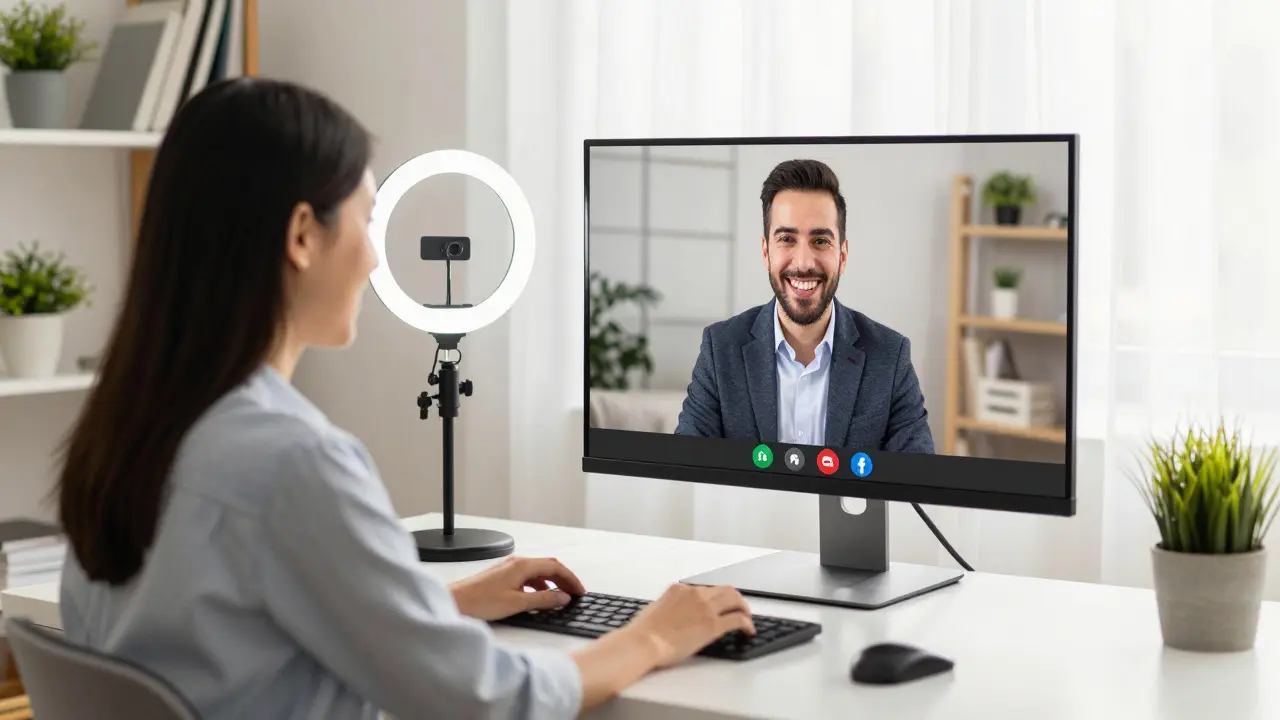
You have built a great online course. The content is solid, the curriculum makes sense, and you are ready to teach. But here is the hard truth: nobody knows you exist. You could spend thousands on Facebook ads or LinkedIn sponsored posts, hoping to catch the eye of someone actually looking for your solution. Or, you can borrow trust.
That is exactly what partnership webinars do. Instead of shouting into the void, you partner with an industry expert who already has an audience that trusts them. You host a live session together, deliver massive value, and capture leads from their warm crowd. It is one of the most effective strategies in modern course marketing, yet most creators get it wrong by treating it like a sales pitch rather than a collaboration.
Why Partnering Beats Solo Marketing
Think about the last time you bought something expensive, like a certification program or a high-ticket coaching package. Did you buy it because a random ad popped up? Probably not. You likely bought it because someone you respected recommended it. This is the principle of borrowed authority. When you partner with an established expert, you inherit a fraction of their credibility instantly.
Solo webinars require you to build cold traffic from scratch. You pay for clicks, hope they stick around, and then try to convince strangers to give you their email address. The conversion rates are often low, sometimes under 1%. In contrast, partnership webinars leverage existing relationships. If your partner promotes the event to their newsletter or social following, you are speaking to people who already engage with similar topics. The barrier to entry is significantly lower.
Furthermore, these collaborations expand your reach into new niches. If you teach data analysis, partnering with a project management expert introduces you to professionals who need data skills but don't know where to start. It is a win-win scenario that drives quality leads, not just vanity metrics.
Finding the Right Industry Expert
Not every influencer is a good partner. You need someone whose audience overlaps with your ideal student but who isn't directly competing with you. Look for complementary skills. For example, if you sell a copywriting course, a great partner might be a SEO consultant or a digital marketing strategist. Their clients need better copy; your students need better distribution. The synergy is natural.
Start by auditing your own network. Who do you admire? Who shares your values? Reach out to micro-influencers first-those with 5,000 to 50,000 engaged followers. They are often more hungry for collaboration opportunities and easier to work with than massive celebrities. Check their engagement rates, not just follower counts. A smaller audience that comments and asks questions is worth more than a large, silent one.
When you reach out, keep it simple. Do not send a generic template. Mention a specific piece of their content you liked. Propose a clear idea for the webinar topic. Make it easy for them to say yes by handling all the technical logistics yourself.
Structuring the Webinar for Maximum Impact
A successful partnership webinar is not a lecture; it is a conversation. The structure should feel dynamic and engaging. Aim for a 45-minute session followed by a 15-minute Q&A. Here is a proven framework:
- The Hook (5 minutes): Start with a striking statistic or a common pain point that both audiences face. Establish why this topic matters right now.
- The Guest Intro (5 minutes): Introduce your partner with genuine enthusiasm. Highlight their unique achievements. This builds immediate respect from your side of the room.
- The Core Content (25 minutes): Split the teaching. Maybe you cover the "what" and "why," while your partner covers the "how." Use real-world examples and case studies. Avoid dry slides; show screenshots, demos, or stories.
- The Joint Insight (5 minutes): Bring your perspectives together. Discuss how combining your expertise solves the problem better than either approach alone.
- Q&A (15 minutes): Answer live questions. This is where trust deepens. Show that you are accessible and knowledgeable.
Keep the energy high. Change speakers every few minutes if possible. Visual variety keeps viewers from clicking away. Remember, the goal is not just to inform, but to entertain and inspire action.

Capturing Leads Without Being Sleazy
This is the tricky part. You want leads, but you do not want to annoy the guest's audience. The key is offering a valuable resource before asking for anything. Create a "lead magnet" that complements the webinar content. It could be a checklist, a template, a mini-course, or a detailed guide.
During the presentation, mention this resource naturally. "If you want to see exactly how we set up this framework, I have a free template available." Then, direct them to a landing page. Do not make them jump through hoops. One click to download, enter their email, and receive the file. Keep the friction low.
Use a dedicated landing page for each partnership. This allows you to track which partners drive the best quality leads. Include social proof, such as testimonials from past students, to reinforce credibility. Make sure the page loads quickly on mobile devices, as many users will join from their phones.
Promotion Strategy: Sharing the Load
Do not expect your partner to do all the heavy lifting. Offer to handle the technical setup and provide them with pre-written promotional assets. Give them three emails, two social media posts, and one LinkedIn update they can easily copy and paste. Personalize them slightly so they sound authentic.
On your end, promote the webinar across all your channels. Email your list, post on social media, and even run small targeted ads if budget allows. The more noise you make, the higher the attendance. Send reminders at 24 hours, 1 hour, and 15 minutes before the start time. Most attendees register but forget to show up until the last minute.
Consider creating a shared hashtag for the event. Encourage attendees to use it during the live session. This creates a sense of community and makes it easier to find user-generated content later.
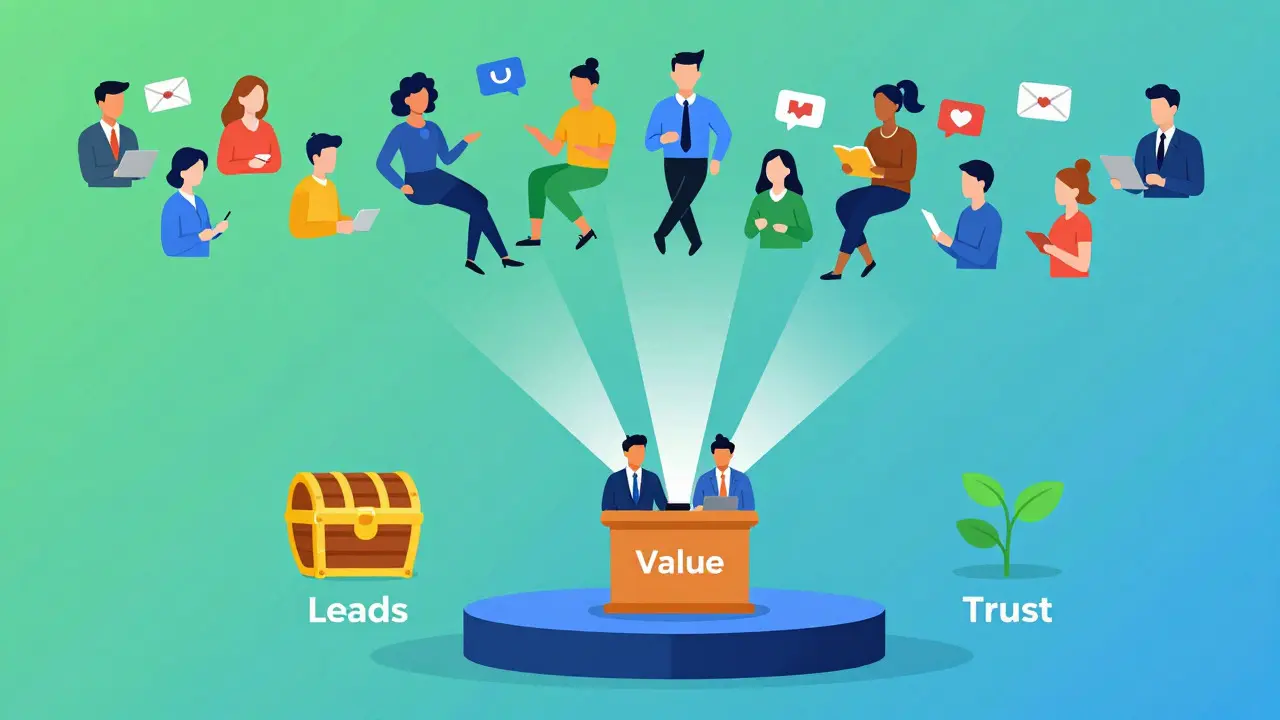
Follow-Up: Where the Real Money Is Made
The webinar ends, but the relationship does not. Immediately after the session, send an automated email to everyone who attended. Thank them for joining. Provide a link to the recording for those who missed parts. Reiterate the offer for your lead magnet if they haven't downloaded it yet.
Segment your new leads based on their behavior. Did they stay for the whole webinar? Did they ask a question? These signals indicate high interest. Move these hot leads into a separate nurture sequence. Offer them a special discount on your course or a consultation call within the next 48 hours. Scarcity and urgency work well here, but keep it honest.
For those who dropped off early, send a lighter touch email. Share additional resources or blog posts related to the topic. Keep them warm without being pushy. Over the next few weeks, gradually introduce your paid offerings. Build trust through consistent, valuable communication.
| Tactic | Effort Level | Expected ROI | Best For |
|---|---|---|---|
| Email Sequence | Low | High | Existing subscribers |
| Social Media Posts | Medium | Medium | Broad awareness |
| Targeted Ads | High | Variable | Scaling fast |
| Partner Co-Marketing | Medium | Very High | New audience acquisition |
Common Pitfalls to Avoid
Many partnerships fail due to poor communication. Define roles clearly upfront. Who handles the tech check? Who moderates the chat? Who sends the follow-up emails? Misunderstandings here can ruin the experience for everyone involved.
Another mistake is focusing too much on selling. If you spend half the webinar pitching your course, people will tune out. Provide 80% value and 20% promotion. Let the quality of your teaching sell the product. People buy from teachers they respect, not salespeople they distrust.
Finally, neglecting the recording is a missed opportunity. Not everyone can attend live. The replay can continue generating leads for months. Optimize the replay page with a clear call-to-action and ensure the video quality is decent. Audio issues are the number one reason viewers abandon replays.
Measuring Success Beyond Attendance
Attendance numbers look good, but they do not pay the bills. Track deeper metrics. How many people downloaded the lead magnet? What was the conversion rate from attendee to customer? Calculate the cost per acquisition by dividing any ad spend or production costs by the number of new customers.
Survey your attendees after the event. Ask what they learned and what they still struggle with. This feedback is gold for refining future webinars and improving your course content. It also shows you care about their success, strengthening the relationship.
Look at long-term retention. Are these new leads staying engaged with your brand? Are they purchasing upsells later? Partnership webinars should build a sustainable pipeline, not just a one-time spike in sales.
How do I find industry experts willing to collaborate?
Start by identifying influencers in adjacent niches who share your target audience but do not compete directly. Reach out via personalized emails or LinkedIn messages. Offer value first, such as promoting their recent work, before proposing a webinar. Micro-influencers are often more open to collaboration than larger figures.
What is the best platform for hosting partnership webinars?
Platforms like Zoom Webinar, Demio, or EverWebinar are popular choices. Zoom offers robust features for large audiences, while Demio provides excellent automation and landing page integration. Choose a platform that integrates well with your email marketing tool and allows for easy registration tracking.
How long should a partnership webinar be?
Aim for 45 to 60 minutes total. This includes 30-40 minutes of core content and 10-15 minutes for Q&A. Longer sessions risk losing attention, while shorter ones may not provide enough value to justify the commitment. Keep it tight and focused.
Should I split revenue with my partner?
It depends on the arrangement. Often, the primary benefit is lead generation and brand exposure, so revenue sharing is not necessary. However, if the partner brings significant traffic, consider offering a commission on sales generated from their referrals. Clear agreements prevent misunderstandings.
How do I handle technical issues during a live webinar?
Always have a backup plan. Test your internet connection, microphone, and software beforehand. If issues arise, stay calm and communicate with the audience. Have a moderator ready to answer chat questions while you troubleshoot. Consider having a recorded segment ready to play if the live feed fails completely.