

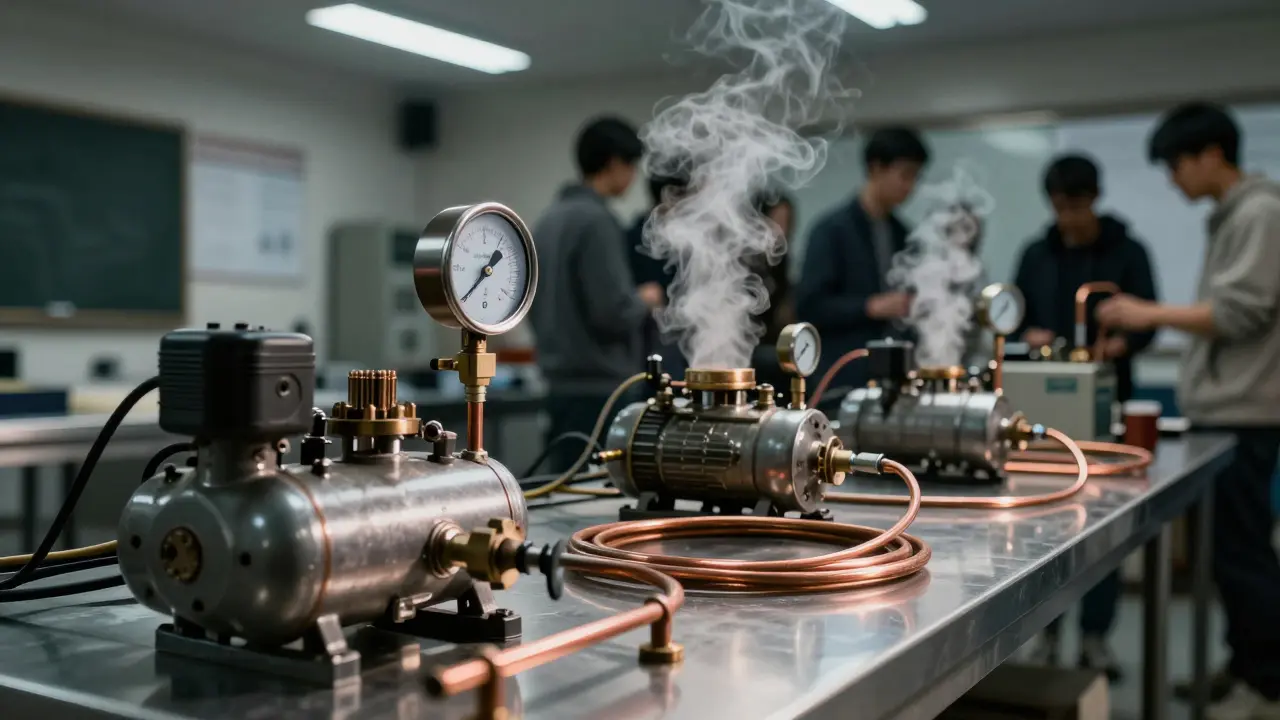
If you are looking to enter the construction or maintenance industry, understanding the layout of formal training is your first step. HVAC training is a structured educational path designed to teach technicians how to install, maintain, and repair heating, ventilation, and air conditioning units. In 2026, this field has evolved beyond simple duct cleaning. Modern buildings require complex system integrations with smart home networks and strict adherence to zero-carbon emission standards.
A solid program does not just skim the surface; it prepares you for the rigors of a site visit where a single miscalculation can compromise indoor air quality or system longevity. You need a curriculum that balances classroom theory with hands-on bench work. This ensures you understand not just the tools, but the physics driving the equipment.
Core Competencies in Thermodynamics and Fluid Mechanics
Before touching a wrench, you must master the invisible forces moving heat around. Thermodynamics defines the relationship between heat, work, and energy transfer within mechanical systems. A robust outline begins here because without grasping these laws, troubleshooting becomes guesswork.
Students typically spend the first four weeks covering state changes of matter, pressure relationships, and temperature gradients. You will learn why refrigerant behaves differently under high pressure versus low pressure. For example, when working on a residential heat pump, understanding latent heat is crucial for determining if the evaporator coil is functioning correctly. If you cannot distinguish between sensible and latent cooling loads, your system design calculations will be off, leading to oversized units that short cycle and fail prematurely.
The curriculum usually includes fluid mechanics principles related to water-based hydronic heating. This involves calculating flow rates and pressure drops across pipes. You practice using manometers to read pressure differentials accurately. These skills are foundational before moving to electrical wiring.
Electrical Systems and Controls
Mechanical systems are useless without power, and modern units rely heavily on electronic control boards. This module focuses on reading schematics and understanding circuit logic. Electrical Safety is the priority standard taught before any live testing occurs. You learn how to lock out tag out (LOTO) procedures to prevent accidental energization during maintenance.
Coursework covers voltage types, amperage limits, and capacitor testing. In 2026, inverters are standard in most compressors, meaning you must understand variable frequency drives (VFDs). Old manuals often ignore VFD diagnostics, but current outlines include software interfaces for reading error codes from the drive controller. You will simulate faults, such as phase loss or overheating protection triggers, to see how the system shuts itself down safely.
Control wiring gets its own deep dive. You learn about relays, contactors, and thermostats. Digital thermostats connect via Wi-Fi or Zigbee, so basic networking concepts are part of the electrical unit. Knowing how to trace a broken signal through a circuit diagram saves hours of diagnostic time compared to swapping parts blindly.
Refrigeration Cycle and Component Mastery
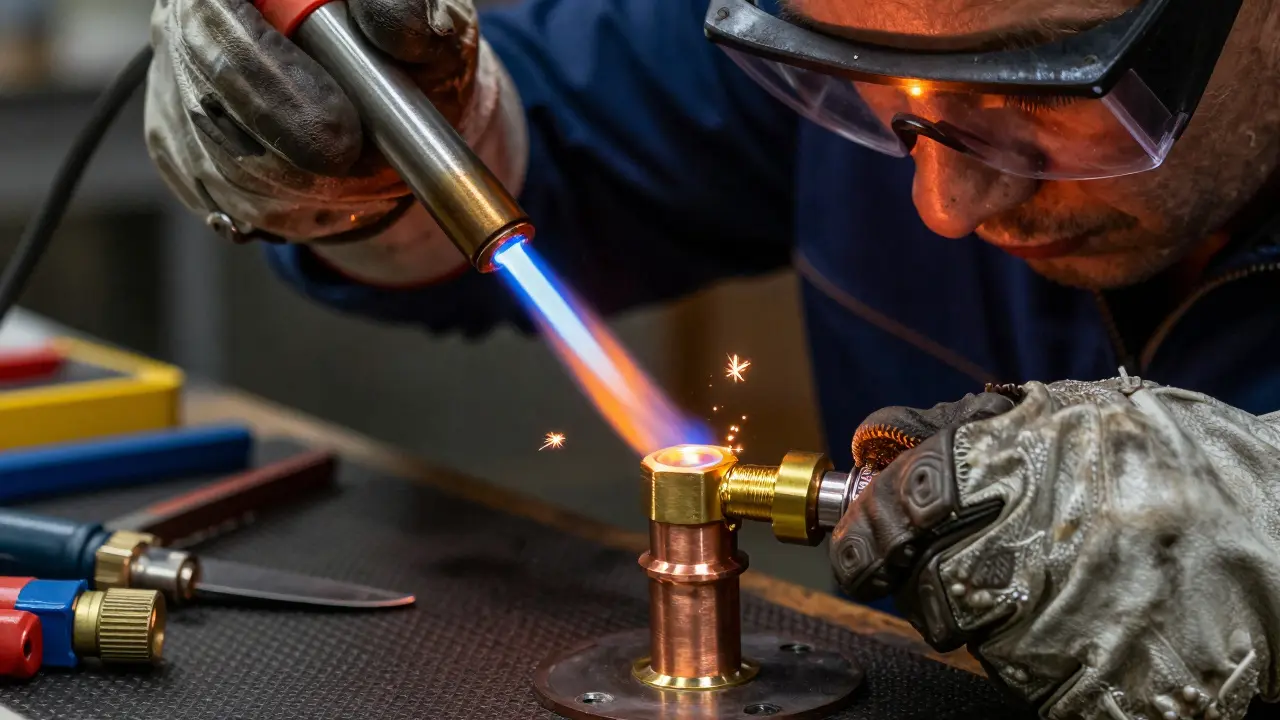
This section is the heartbeat of any cooling course. The vapor compression cycle involves four main stages: compression, condensation, expansion, and evaporation. Students disassemble vintage compressors to see wear patterns inside the crankcase. They practice brazing copper fittings to create leak-free joints, a skill that takes repetition to master.
Modern curricula emphasize low Global Warming Potential (GWP) refrigerants. You will handle R-32 and newer blends rather than the older R-410A which is being phased out globally due to environmental regulations. Recovery machines are used to extract gas legally. Leaks are identified using halogen torches or ultrasonic detectors, not just soap bubbles.
| Tool Type | Purpose | Safety Requirement |
|---|---|---|
| Manifold Gauge Set | Measure High/Low Side Pressure | Check Hose Integrity |
| Refrigeration Recovery Machine | Extract Gas from System | Certified Cylinder Storage |
| Tube Bender | Form Copper Pipework | No Kinks Allowed |
| Vacuum Pump | Remove Moisture/Air | Deep Vacuum Duration |
Braze joint strength determines system lifespan. A weak connection leaks slowly, ruining insulation foam and causing moisture damage inside walls. Workshops enforce strict tolerance levels for vacuum levels, often requiring a hold test of 4 hours or more before charging with gas. This discipline prevents call-backs for leaks.
Ventilation and Indoor Air Quality
People spend roughly 90 percent of their time indoors, making air quality vital. This module goes beyond simple fan installation. It covers fresh air intake ratios and CO2 scrubbing. You study how negative or positive pressure zones affect building performance.
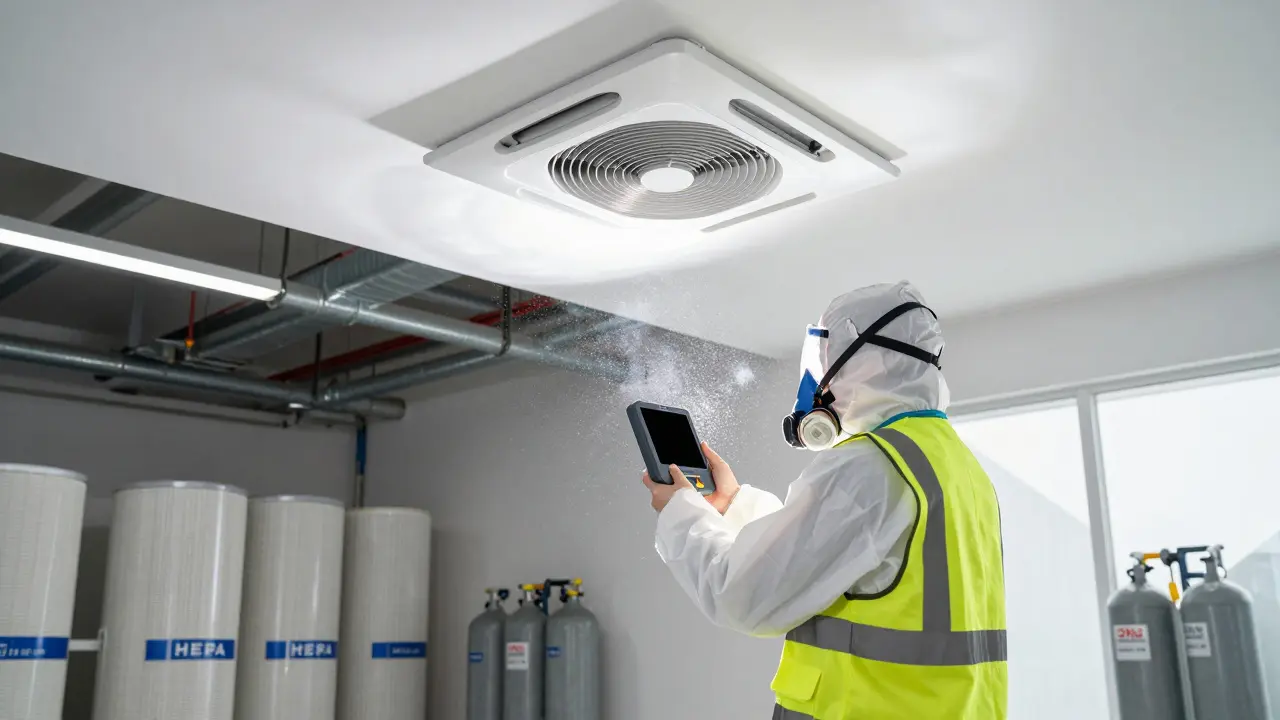
Filtration technology has advanced to HEPA and MERV ratings higher than decade-old standards. A trainer will explain filter loading impacts on airflow resistance. If resistance increases too much, static pressure rises, and the motor draws excessive amps, risking burnout. Balance dampers are adjusted to distribute air evenly throughout rooms.
You also encounter HRV (Heat Recovery Ventilators) and ERVs (Energy Recovery Ventilators). These units recover energy from exhaust air to precondition incoming fresh air. Calculating thermal efficiency losses in cold climates like Wellington or Christchurch ensures homeowners do not lose expensive heated air out the vent stack.
Safety Regulations and Building Compliance
In New Zealand, compliance with the Building Code is non-negotiable. As an apprentice, you must know Section 6 regarding services and materials. Gas fitting requires separate licensing from plumbing or refrigeration work. Training providers align coursework with Health and Safety Executive guidelines.
Asbestos awareness remains critical in retrofitting older properties. You learn to identify friable material that may exist in ceiling cavities before drilling. Working heights above three meters require fall arrest gear and permits. Risk assessments are written daily for site work, identifying hazards like wet floors, overhead lines, or confined spaces.
First aid and manual handling techniques round out the safety unit. Lifting heavy condensers alone leads to injuries. Team lifting strategies protect the spine. Proper PPE use, including respirators for dust and gloves for chemicals, protects long-term health against hazardous substances.
Advanced Diagnostics and Troubleshooting
Experienced technicians earn their value by solving problems quickly. This section simulates real-world failure modes. A compressor might run hot due to oil starvation. A blower motor could trip on locked rotor conditions. Software loggers record data points to diagnose intermittent issues.
You analyze combustion analysis reports for furnace efficiency. Flue gas oxygen levels indicate excess air mixing. Too little oxygen risks carbon monoxide poisoning. Adjusting primary and secondary air dampers tunes the firebox. Combustion analyzers become second nature tools.
Data logging allows predictive maintenance. Sensors track vibration trends before catastrophic bearing failure happens. You interpret graphs showing rising amp draw over months. This proactive approach reduces service call volume and extends asset life, something clients highly value for commercial contracts.
Pathways to Apprenticeship and Licensing
Most learners start full-time courses before entering a four-year apprenticeship. During this period, you split time between onsite work and evening classes. Apprenticeship is a paid employment period combined with structured training leading to full licensure.
Assessment portfolios track progress. You document projects completed, sign-offs from supervisors, and pass exams on specific units. Final competency demonstrates ability to lead a crew safely. Specializations occur later, like becoming a Master Plumber or a Certified Energy Manager.
How long does standard HVAC training take?
Full certificate programs generally last six to twelve months depending on intensity. However, complete qualification through apprenticeship spans approximately four years of on-the-job experience plus periodic block courses.
Is prior math experience necessary for this course?
Basic algebra and arithmetic skills are required for load calculations. Many institutions offer refresher modules on fractions, decimals, and percentages to ensure students can manage formulas effectively.
What qualifications allow me to charge refrigerants?
You must obtain a specific refrigerant handling license issued by regulatory bodies. This involves passing tests on recovery equipment usage and knowing legal limits for gas release.
Are there options for studying online?
Theory portions can sometimes be done remotely, but practical welding, electrical wiring, and system servicing require mandatory lab attendance for assessment purposes.
Does the training cover smart home integration?
Yes, modern outlines include IoT connectivity, app programming for zoning systems, and troubleshooting wireless communication errors between controllers and actuators.
Success in this field relies on continuous learning. Technology shifts fast. Keeping certifications updated ensures you stay employable. Whether you aim for large commercial sites or small residential jobs, the fundamentals remain the same foundation for success.
Comments
Jeanie Watson
Honestly this whole thing feels like unnecessary paperwork for people who just want to fix broken heaters.
Sanjay Mittal
The emphasis on thermodynamic principles provides a necessary foundation for effective troubleshooting in field conditions. Proper understanding of pressure relationships prevents common installation errors seen in residential projects. Manifold readings must be interpreted alongside temperature data to avoid misdiagnosis of charge levels. Fluid mechanics concepts help calculate accurate pump sizing for hydronic loops. These theoretical elements translate directly to reduced service call frequency. Technicians benefit significantly from structured bench work before live equipment exposure. Classroom simulation creates muscle memory for complex diagnostic procedures.
Yashwanth Gouravajjula
Training takes years.
Skill builds slowly.
Experience matters.
Theory helps.
Practice defines results.
Tools must be precise.
Safety saves lives.
Respect the trade.
Meredith Howard
Safety protocols are vital for every worker though you might skip steps because nobody checks often enough and regulations exist to save lives
Kevin Hagerty
u r kidding me right lol this stuff is overkill nowdays
why learn physics when u can just download a manual and scan the error codes
most shops dont even train on vfd stuff unless ur doing commercial work
also the safety rules r annoying af but i guess keep people alive somehow idk man
Tina van Schelt
The symphony of pressurized fluid humming through copper veins paints a picture of invisible dance.
You see the warmth of a home protected by layers of insulation and careful calculation.
These systems sing lullabies of comfort during winter nights while guarding against summer storms.
Ronak Khandelwal
Understanding the mechanical arts means respecting the flow of energy itself.
Heat seeks balance just like the human spirit does.
We build machines that mimic this natural process of movement.
Old refrigerants damaged the atmosphere we share today.
Modern blends require careful handling for environmental protection.
A skilled technician values the silence of a sealed system.
Leaks indicate carelessness that costs money later.
Vacuum testing ensures moisture cannot harm the components.
Water inside oil creates acid that destroys bearings fast.
Prevention strategies save time and reduce service call stress.
Clients appreciate honest diagnostics over quick guesses.
Trust is built when you explain problems simply.
Technology evolves but the laws of physics never change.
Learning curves steepen when you skip foundational modules.
Dedication separates the master from the apprentice.
Emojis: 🌍🔧📚💡😊🔥
Mike Zhong
Most guys here talk big but fail the basics test.
You cannot fake math skills when the job site collapses.
Safety isn't optional suggestion.
People die when technicians ignore lockout procedures.
Stop treating apprenticeship like a hobby weekend workshop.
Janiss McCamish
You need to understand load calculations before touching a tool.
Oversizing units destroys efficiency.
Pressure drops determine flow rates accurately.
Always verify wiring schematics against actual installations.
Do not skip electrical safety protocols.
Kendall Storey
We're seeing VFDs dominate the compressor market now.
Smart zoning apps integrate via Zigbee or Wi-Fi easily.
Data logging prevents catastrophic bearing failure events.
Trend analysis beats reactive repair cycles.
IoT connectivity requires networking knowledge beyond basic wiring diagrams.