

Many educators and students use hybrid learning and blended learning interchangeably. But they're not the same. Understanding the difference matters for choosing the right approach for your classroom or training program.
What is Hybrid Learning?
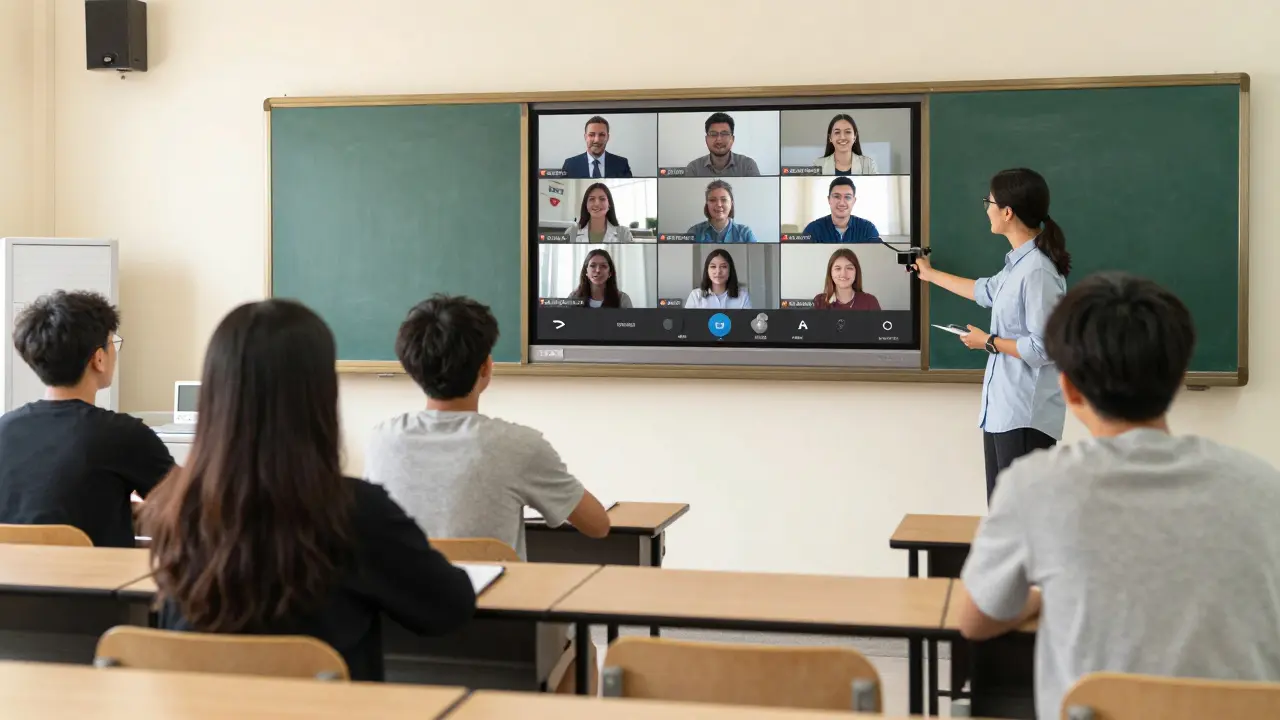
Hybrid Learning is a model where some students attend in person while others join remotely at the same time. For example, during the pandemic, many universities used hybrid learning to allow students to choose between attending class in person or joining via video conference. This setup requires reliable technology like Zoom or Microsoft Teams to ensure remote students can participate fully. The key point is that both groups are present at the same time, creating a single class session with mixed participation. In New Zealand, schools like Auckland Grammar have used hybrid learning to accommodate students who can't attend physically due to health issues or travel. Teachers must manage real-time interaction between physical and virtual attendees, which means using dual cameras, microphones, and interactive whiteboards to keep everyone engaged.
What is Blended Learning?
Blended Learning is a model that integrates online instructional materials with traditional face-to-face classroom activities as part of the course design. Unlike hybrid learning, blended learning doesn't require students to participate online and in-person simultaneously. Instead, online components complement in-person activities. For instance, a high school science class might assign video lectures and quizzes on a Learning Management System (LMS) like Canvas, then use class time for hands-on experiments and group discussions. This approach lets students learn at their own pace online before diving deeper in person. In higher education, blended learning often involves flipping the classroom-students review materials online before class, then apply concepts during interactive sessions. The University of Auckland uses this model for its nursing programs, where theory is covered digitally and practical skills are practiced in labs.

Key Differences Between Hybrid and Blended Learning
| Aspect | Hybrid Learning | Blended Learning |
|---|---|---|
| Definition | Simultaneous in-person and remote participation in the same class session. | Integration of online and face-to-face instruction as part of course design, not necessarily at the same time. |
| Timing | Real-time, synchronous delivery for all students. | Asynchronous or mixed timing; online work may happen before or after in-person sessions. |
| Technology Role | Essential for real-time remote participation (e.g., Zoom, Teams). | Used for supplementary materials (e.g., LMS modules, videos). |
| Best For | Situations requiring flexibility for physical attendance (e.g., pandemic, travel constraints). | Courses where online theory enhances hands-on in-person practice. |
When to Use Each Model
Hybrid learning works best when you need to accommodate students who can't be physically present but still want real-time interaction. For example, a corporate training program might use hybrid sessions for global teams spread across time zones. If someone can't attend the office, they join via video call. Similarly, K-12 schools in rural areas might use hybrid learning to connect students from remote communities with teachers in city schools. The key is that everyone experiences the lesson together, even if they're not in the same room.
Blended learning shines when you want to maximize in-person time for active learning. A college course might assign online readings and quizzes, then use class time for debates or group projects. This way, students come prepared, and instructors focus on deeper application. For instance, a marketing class at Massey University uses blended learning: students complete digital case studies before class, then spend face-to-face time brainstorming campaigns. This model also works well for adult learners balancing work and study-they can access materials anytime but still benefit from structured in-person support.
Common Misconceptions
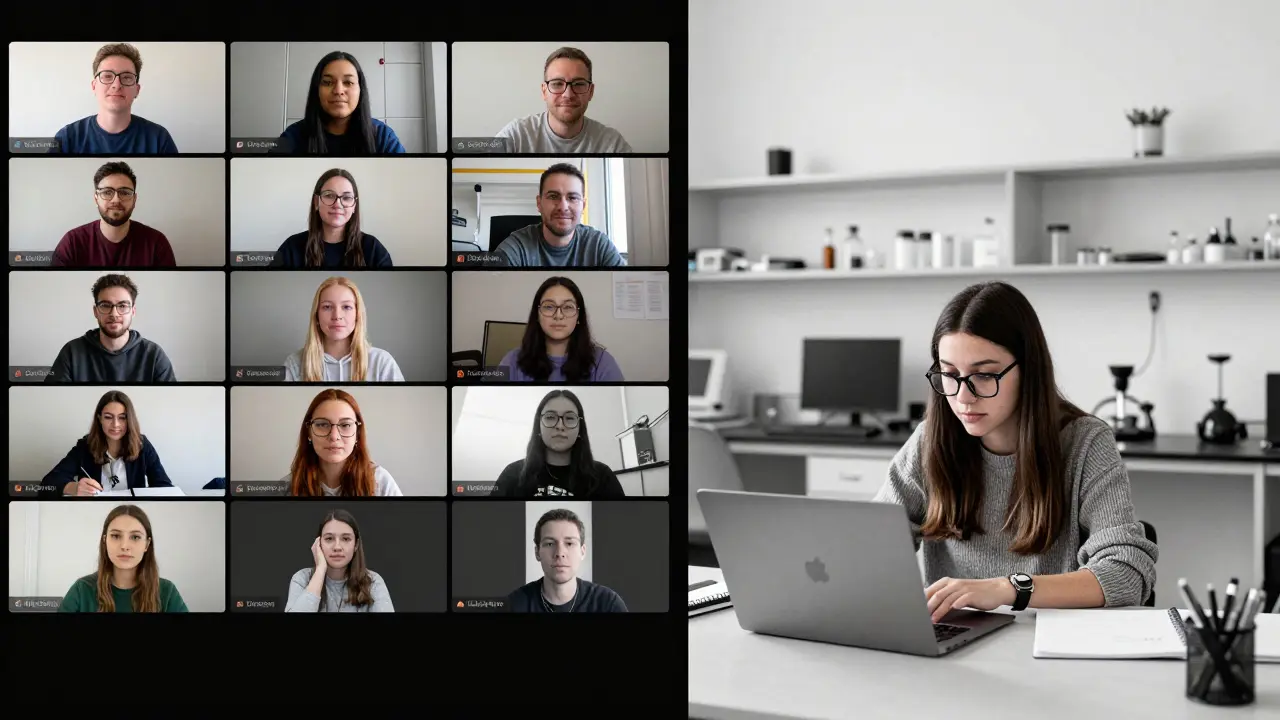
Many people think hybrid and blended learning are the same because both mix online and in-person elements. But the difference is in how they're structured. Hybrid is about where students are during a session (some in the room, some remote), while blended is about how online and offline components complement each other over time. Another myth is that hybrid learning always requires advanced tech. While it helps, even basic tools like phone calls for remote students can work in a hybrid setup. Similarly, blended learning isn't just "online classes with occasional in-person meetings." It's a deliberate design where each mode serves a specific purpose-online for foundational knowledge, in-person for application.
Some also assume blended learning is only for tech-savvy institutions. But it's flexible. A small community college in Wellington uses simple tools like email and printed handouts for online components, then meets weekly for discussions. The tech level depends on the context, not the model itself. The real issue is whether the online and offline parts are intentionally designed to work together, not just added randomly.
FAQ
Is hybrid learning the same as blended learning?
No. Hybrid learning involves real-time participation from both in-person and remote students in the same session. Blended learning combines online and face-to-face instruction as part of the course design, but not necessarily at the same time. For example, a hybrid class has students in the room and on Zoom together, while a blended class might have students complete online modules before meeting in person for hands-on activities.
Which model is better for K-12 schools?
Blended learning is often more practical for K-12. It allows students to learn foundational concepts online at their own pace, then use class time for personalized help and collaborative projects. Hybrid learning can work for specific situations, like when a student is sick, but it's harder to manage for younger children who need more structure. Schools like Auckland's New Zealand Tertiary College use blended models effectively for secondary students, with online theory and in-person labs.
Can hybrid and blended learning be combined?
Yes, but they serve different purposes. A school might use blended learning for core curriculum (online theory + in-person practice) while using hybrid for special events like guest lectures where some students join remotely. However, mixing them in the same course can confuse students. It's better to choose one model per course based on goals-blended for integrated learning, hybrid for flexible attendance.
What technology is needed for hybrid learning?
Basic hybrid setups need a camera, microphone, and video platform like Zoom or Teams. For better results, add a second camera to show the classroom, a soundbar for clear audio, and a shared digital whiteboard. In New Zealand, schools like St. Paul's Collegiate use affordable setups like USB cameras and Google Meet to keep hybrid sessions accessible. The key is ensuring remote students can see, hear, and interact as easily as those in the room.
How does blended learning improve student engagement?
Blended learning boosts engagement by letting students control their online learning pace. They can rewatch lectures or skip ahead, then dive into interactive activities in class. For example, a Wellington high school uses Khan Academy for math practice online, then uses class time for problem-solving with teachers. This reduces "one-size-fits-all" lectures and allows teachers to focus on individual needs. Studies show blended models increase participation by 25% compared to traditional classes because students feel more involved.
Comments
michael Melanson
Hybrid and blended learning are often mixed up, but they're fundamentally different. Hybrid involves simultaneous in-person and remote participation in the same session, while blended integrates online and offline components over time. For example, hybrid is like a class where some students are in the room and others on Zoom at the same time; blended might have online lectures followed by in-person labs.
lucia burton
While the initial point is accurate, it's essential to delve deeper into the pedagogical implications. Hybrid learning's synchronous nature necessitates a high level of technological infrastructure, including reliable internet connectivity, dual-camera setups, and interactive whiteboards to ensure equitable participation. Without these tools, remote students often feel disconnected, which undermines the entire purpose of hybrid models. In contrast, blended learning's asynchronous elements allow for more flexible curriculum design where foundational knowledge is acquired online, freeing up in-person time for collaborative, hands-on activities. This distinction is critical for educators aiming to optimize learning environments. For instance, in higher education, blended models have been shown to improve student engagement by 25% compared to traditional lectures, as students can review materials at their own pace before engaging in deeper discussions. Additionally, the integration of Learning Management Systems (LMS) like Canvas or Moodle facilitates seamless delivery of online components, which is a cornerstone of effective blended learning strategies. It's also worth noting that while hybrid learning is often a response to external factors like pandemics or geographic constraints, blended learning is a deliberate instructional design choice that enhances both online and offline educational experiences. Furthermore, the key difference lies in the timing: hybrid requires real-time participation from all students, whereas blended allows for a mix of synchronous and asynchronous activities. Schools like the University of Auckland have successfully implemented blended learning in nursing programs, where theory is covered digitally and practical skills are practiced in labs. This approach not only saves time but also allows for more personalized instruction. Ultimately, choosing between hybrid and blended depends on the specific educational goals and available resources, but understanding the core differences is the first step toward effective implementation.
Denise Young
The initial point is accurate, but let's not pretend that blended learning is some magical solution. Sure, flipping the classroom sounds great, but in practice, it often just shifts the workload to students without proper support. Remember that corporate training program where they tried blended learning and ended up with confused employees? Yeah, that happened. The issue is that many institutions adopt these models without proper training or resources. For instance, a high school in Ohio tried implementing blended learning but lacked the LMS expertise, resulting in students struggling to navigate the platform. Meanwhile, hybrid setups often fail when remote students can't hear the in-room discussions. It's crucial to recognize that neither model is inherently better; it's about context. However, the real problem is that educators are often given these terms without clear definitions, leading to misuse. So yes, understanding the differences is key, but we also need actionable guidance on implementation. Otherwise, we're just adding jargon to the education lexicon without substance.
Sam Rittenhouse
This point raises an important consideration about the human element. Hybrid learning can create a divide between in-person and remote students-remote learners often feel like second-class citizens in the classroom. I've seen this firsthand in a university where the remote students couldn't hear the discussions properly, leading to disengagement. Blended learning, on the other hand, offers a more equitable approach by allowing students to engage with content at their own pace before coming together for meaningful in-person interaction. The key is to ensure that all students feel included, whether they're in the room or online. Education should be about connection, not just convenience. Let's not forget that the goal is to support every student's learning journey, regardless of their physical location. In my experience, blended models have been far more successful in fostering a sense of community because they don't force simultaneous participation; instead, they build a cohesive experience over time. For example, a community college in Texas uses blended learning where students complete online modules at home, then come in for collaborative projects. This way, everyone is on equal footing when they meet. It's not about the tech; it's about how we design the learning experience to include everyone.
Ben De Keersmaecker
Interesting point about hybrid vs. blended. I've noticed that in some contexts, the terms get mixed up because they both involve online and offline elements. But from what I've seen in different countries, the distinction is more about how the components are integrated. For example, in Japan, blended learning is common in universities where students watch lectures online and then discuss in person. Hybrid is more about real-time mixing, like a class with some students in the room and others on Zoom. The key difference is whether the online and offline parts are simultaneous or sequential. It's a subtle but important distinction that affects how teachers structure their lessons. In countries like India, where internet access varies, blended learning might be more feasible for rural areas, using offline resources like USB drives for course materials. Meanwhile, hybrid models require consistent connectivity, which isn't always possible. This makes me think that the choice between models depends heavily on local infrastructure and cultural factors. Perhaps we need more research on how these models adapt globally.
Aaron Elliott
The inquiry regarding non-Western education systems is both insightful and somewhat naive. While it is true that infrastructure plays a role in the implementation of educational models, the fundamental differences between hybrid and blended learning transcend geographical contexts. Hybrid learning inherently requires synchronous participation, regardless of location, whereas blended learning is a pedagogical strategy that integrates online and offline components in a structured manner. To suggest that cultural factors significantly alter these definitions is to misunderstand the core principles of educational theory. It is not about the local context but about the structural design of the learning environment. Therefore, the distinction remains consistent across all systems, and any perceived variations are merely superficial implementations rather than substantive differences.
Chris Heffron
Hybrid is simultaneous; blended is sequential. 😊
Adrienne Temple
Great explanation! I've seen schools mix up these terms too. Hybrid is like having some kids in the classroom and others on Zoom at the same time. Blended is when you mix online lessons with in-person activities but not necessarily at the same time. For example, students watch a video at home then do a project in class. It's all about how the parts fit together. 😊
Sandy Dog
Oh my gosh, you totally nailed it! 🤯 Like, I can't even believe how perfectly you explained it. Hybrid is like a live stream where some people are in the room and others are watching from home at the same time-so chaotic but cool! And blended is like when you do some stuff online first and then meet up to do the fun stuff together. It's so much better for learning because you get to do things step by step. I've had so many experiences where this made a huge difference in my classes. Like, once I did an online module about photosynthesis and then in class we did a lab with actual plants-so cool! 🌱✨ It's all about the flow, you know? Like, online for the basics, in-person for the hands-on magic. This whole conversation is just so insightful-thank you for sharing! 😭💖