

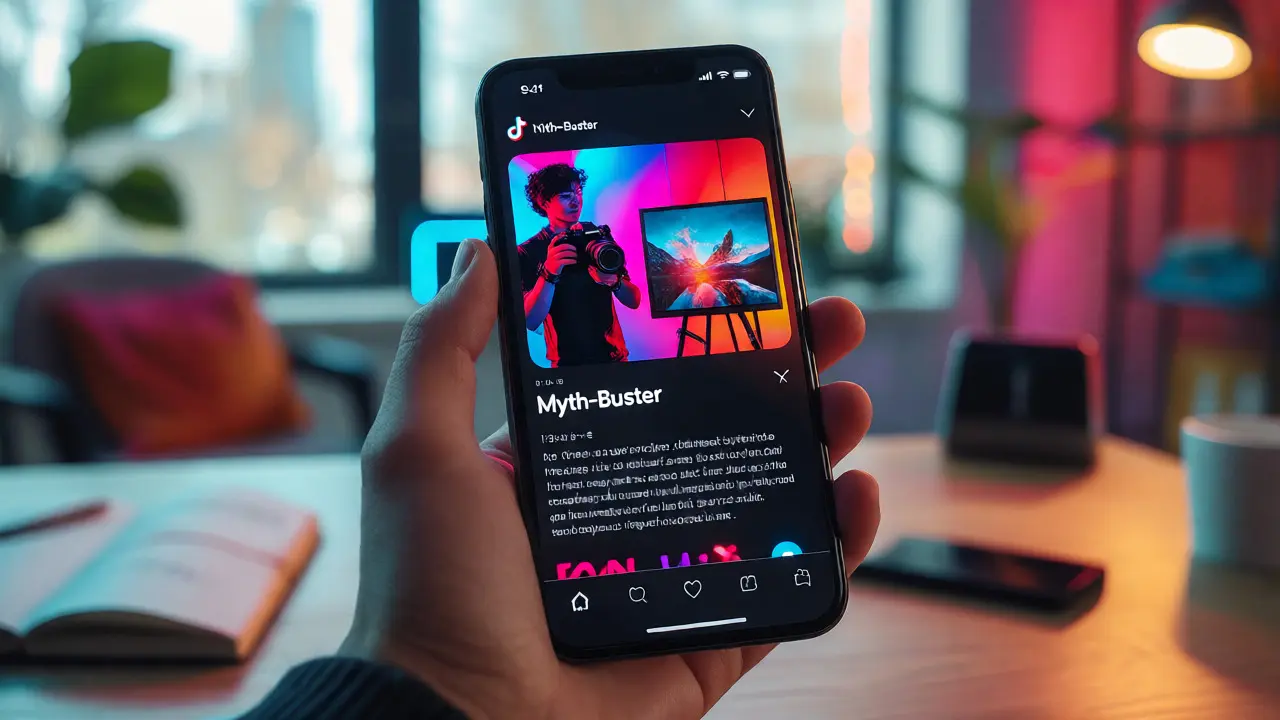
Most course creators make a fatal mistake: they treat social media as a billboard instead of a conversation. You post a link, say "buy my course," and then wonder why your sales flatline. The truth is that platform-specific strategies are required to convert scrollers into students. What works on LinkedIn will die on TikTok. A static image that performs well on Facebook might get buried in the Instagram algorithm.
You don't need to be everywhere. You just need to be effective where your students actually hang out. This guide breaks down exactly how to leverage Instagram, TikTok, and Facebook to market online courses effectively in 2026. We’re skipping the fluff about "posting consistently" and diving into the mechanics of conversion.
The Core Principle: Platform Psychology
Before you hit record or type a caption, you need to understand the psychological state of the user on each platform. This isn't just demographics; it's intent.
- TikTok: Users are here for entertainment first, education second (Edutainment). They have an attention span of seconds. If you aren't hooking them visually or emotionally in the first three seconds, you've lost them.
- Instagram: Users are here for aspiration and aesthetic validation. They want to see the result of taking your course. It’s visual proof. Stories build trust through raw, behind-the-scenes content.
- Facebook: Users are here for community and information depth. Older demographics often dominate, but the real power lies in Facebook Groups. People join groups to solve specific problems and engage with peers.
If you copy-paste the same video across all three, you fail. You must adapt the message to the mindset.
TikTok: The Discovery Engine
TikTok is currently the most powerful tool for cold traffic. It doesn't care who follows you; it cares if people watch. For course marketing, this means your goal isn't immediate sales-it's awareness and lead capture.
Content Formats That Convert
Stop making polished commercials. TikTok users smell fake from a mile away. Instead, use these three proven formats:
- The Myth-Buster: Take a common misconception in your niche and destroy it. "You don't need expensive gear to start photography." Show the cheap gear. Show the great photo. Link to your course for the full workflow.
- The Quick Win: Teach one micro-skill in under 60 seconds. Give away value so freely that they feel compelled to buy the rest. If you teach coding, show one Python snippet that solves a real error. Caption it: "Full module in course bio."
- The Transformation: Use the 'Green Screen' effect to show a student's before-and-after. Visual proof sells better than promises. Seeing someone go from confused to confident triggers mirror neurons in the viewer.
| Metric | TikTok Strategy | Instagram Reels Strategy |
|---|---|---|
| Hook Style | Verbal + Visual Shock | Aesthetic + Text Overlay |
| Call to Action | "Check Bio for Free Guide" | "Save This Post" / "DM Keyword" |
| Editing Pace | Fast cuts every 2-3 seconds | Smoother transitions, trending audio |
| Primary Goal | New Follower Acquisition | Engagement & Retargeting |
Instagram: The Trust Builder
If TikTok brings strangers to your door, Instagram invites them in for coffee. This is where you nurture leads. You cannot sell a $500 course directly from a TikTok view without a bridge. Instagram provides that bridge.
Leveraging Stories and Highlights
Your feed is your portfolio, but your Instagram Stories are your sales floor. Here is a weekly structure that works for course creators:
- Monday: Share a student testimonial screenshot. Add a poll: "Would you like to see more case studies? Yes/No."
- Wednesday: Behind-the-scenes of you creating course material. Show the struggle. Authenticity builds authority.
- Friday: Q&A Session. Use the Question sticker. Answer questions related to objections (e.g., "Is this suitable for beginners?").
Crucially, save these stories to Highlights labeled "Results," "FAQ," and "About Me." New visitors judge your credibility by scrolling your highlights. If they see unanswered questions or no proof of results, they bounce.
The DM Automation Hack
Manual replies don't scale. Use tools like ManyChat to automate Instagram DMs. When someone comments "COURSE" on your reel, they automatically receive a link to your landing page plus a bonus tip. This increases click-through rates by up to 40% compared to simply saying "link in bio."

Facebook: The Community Closer
Many creators abandon Facebook, thinking it's dead. It’s not. It’s mature. The organic reach on pages has dropped, but the engagement in Facebook Groups remains high. This is where you close the sale for higher-ticket courses.
Building a Value-First Group
Don't create a group called "My Course Fans." Create a group focused on the problem your course solves. For example, if you sell a yoga course, call the group "Yoga for Desk Workers."
Post daily prompts that encourage discussion, not just promotion. Ask members to share their biggest hurdle this week. When you answer, provide deep, valuable advice. Once trust is established, mention your course as the structured solution to the chaos of scattered free tips.
Retargeting Ads
Organic posts won't always reach everyone. Use Facebook Ads Manager to retarget people who visited your course page but didn't buy. Show them a video ad featuring a student success story. Keep the copy short. Focus on the risk reversal (money-back guarantee) or the specific outcome they missed out on.
Cross-Platform Funnel Integration
These platforms shouldn't operate in silos. They should feed into each other. Here is a simple funnel flow:
- TikTok/Reels: Attract attention with a viral myth-busting video.
- Profile Link: Direct them to a Linktree or Beacons page.
- Lead Magnet: Offer a free checklist or mini-class in exchange for an email address.
- Email Sequence: Send 3 emails over 5 days providing value and introducing the paid course.
- Facebook Group: Invite buyers to the private community for support and upsells.
This system turns a one-time viewer into a long-term customer. Without the email step, you own nothing. Algorithms change; email lists don't.

Pitfalls to Avoid
Even with a good strategy, small mistakes can kill momentum.
- Ignoring Analytics: Check which videos drive profile visits, not just likes. Likes are vanity metrics; profile visits indicate interest.
- Over-Promising: Don't claim your course makes them experts overnight. Set realistic expectations to reduce refund rates.
- Neglecting Audio Quality: On TikTok and Reels, bad audio kills retention faster than bad visuals. Invest in a decent lavalier microphone.
- Inconsistent Branding: Your color palette and tone should be recognizable across all three platforms. Confusion costs trust.
Final Thoughts on Execution
You don't need to master all three platforms simultaneously if you're starting out. Pick the one where your ideal student spends the most time. Master the native language of that platform. Then, expand. Consistency beats intensity. Posting three times a week for six months yields better results than posting daily for two weeks and burning out.
Remember, people buy courses because they believe you can help them transform. Your job on social media is to prove that transformation is possible, repeatedly, until they believe it too.
Which platform is best for selling low-cost vs. high-cost courses?
Low-cost courses ($10-$50) perform well on TikTok and Instagram due to impulse buying behavior triggered by short-form video. High-cost courses ($200+) require deeper trust-building, making Facebook Groups and email marketing essential for closing the sale after initial discovery on social media.
How often should I post on each platform?
For TikTok, aim for 3-5 times per week to test what resonates with the algorithm. On Instagram, post 3-4 reels per week and use Stories daily. On Facebook, focus on engaging in groups daily rather than frequent page posts, unless you are running ads.
Do I need to show my face to market a course?
Not strictly, but it helps significantly. Personal branding builds trust faster. If you prefer not to show your face, use voiceovers with screen recordings, animated explainers, or stock footage with text overlays. However, seeing a human expert increases conversion rates by establishing authority.
What is the best way to handle negative comments on social media?
Respond professionally and quickly. If the criticism is valid, acknowledge it and offer a solution. If it's trolling, hide or delete the comment. Publicly handling conflict gracefully shows potential students that you are responsive and supportive, which is a key selling point for educational products.
Can I reuse the same video content across TikTok, Instagram, and Facebook?
Yes, but you must edit the metadata and sometimes the aspect ratio. Remove TikTok watermarks before posting to Instagram Reels, as the algorithm penalizes them. Adjust captions to fit the platform's culture-casual and trendy for TikTok, slightly more informative for Facebook, and aspirational for Instagram.