

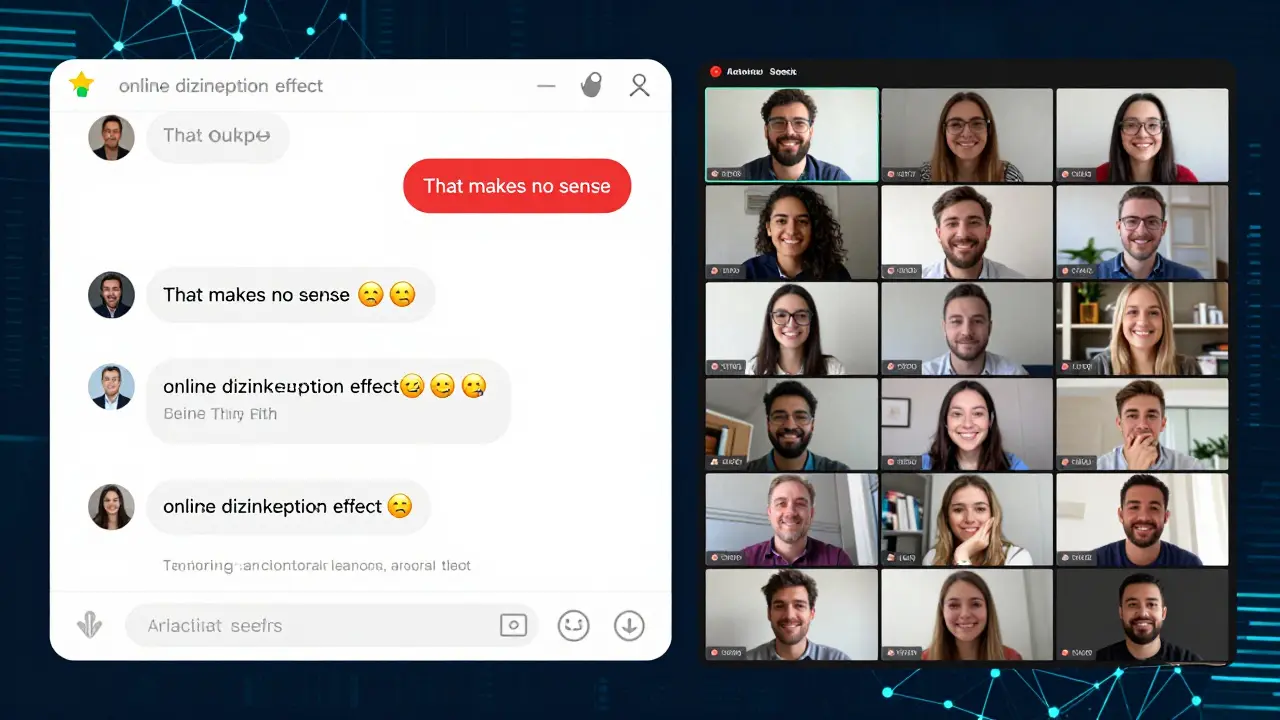
Picture this: you’re halfway through an intense discussion thread in your course’s online learning community is a digital space where students and educators interact to facilitate collaborative learning.. Someone has just posted a comment that completely misinterprets the week’s reading. Another student responds with sarcasm. The tone shifts from academic debate to personal attack within minutes. You feel that familiar knot in your stomach. Do you jump in? Ignore it? Report it?
This isn’t just bad luck; it’s a predictable friction point of remote education. Without body language, tone of voice, or the shared physical context of a lecture hall, misunderstandings explode faster online than they would in person. But here is the good news: conflict doesn’t have to derail a class. In fact, when handled correctly, these moments can deepen engagement and teach critical digital citizenship skills. The key lies in moving from reactive panic to proactive, constructive management.
Why Digital Disagreements Feel Different
To manage conflict, we first need to understand why it feels so charged online. In a physical classroom, if two students disagree, they might raise their hands, wait for a turn, and read each other’s facial expressions. If someone looks confused or offended, the speaker often adjusts their tone immediately. This feedback loop keeps conversations grounded.
In a virtual environment, that loop is broken. We rely on text-based communication, which strips away roughly 70% to 93% of the communicative cues we use face-to-face (depending on who you ask, but the consensus is high). When you type "That makes no sense," it reads as harsh criticism. If you said it with a smile and a supportive hand gesture in person, it might be received as playful challenge. This phenomenon is known as the online disinhibition effect is a psychological phenomenon where people feel less restrained and more anonymous online, leading to either benign self-disclosure or toxic behavior.. Students feel safer being aggressive because they are hiding behind a screen.
Furthermore, time lags complicate things. In real-time chat, you can clarify instantly. In asynchronous forums, a hurtful comment sits there for hours, brewing resentment before anyone else sees it. By the time a response comes back, the original poster may have already escalated their frustration based on imagined motives.
Identifying the Source of the Friction
Not all conflict is created equal. Before intervening, it helps to categorize what kind of clash you are dealing with. Most issues in social learning environments is educational settings where knowledge is co-constructed through interaction between learners and instructors. fall into three buckets:
- Misinterpretation: Student A thinks Student B is attacking their idea, but Student B was actually critiquing the source material. This is usually a clarity issue, not a character flaw.
- Norm Violation: Someone posts off-topic content, uses inappropriate language, or dominates the conversation. This challenges the group’s agreed-upon rules of engagement.
- Ideological Clash: Deeply held beliefs collide. This is common in humanities, politics, or ethics courses. These are the hardest to resolve but also the most valuable for learning if managed well.
If you treat a misinterpretation like an ideological war, you escalate unnecessarily. If you treat a norm violation like a simple misunderstanding, you allow toxicity to spread. Diagnosis comes before prescription.
The Instructor’s Role: Referee or Facilitator?
Many new online instructors swing toward being referees. They step in quickly to shut down arguments, declaring one side right and the other wrong. While this stops the bleeding, it kills the learning potential. It teaches students that disagreement is dangerous and that authority figures will always decide the truth.
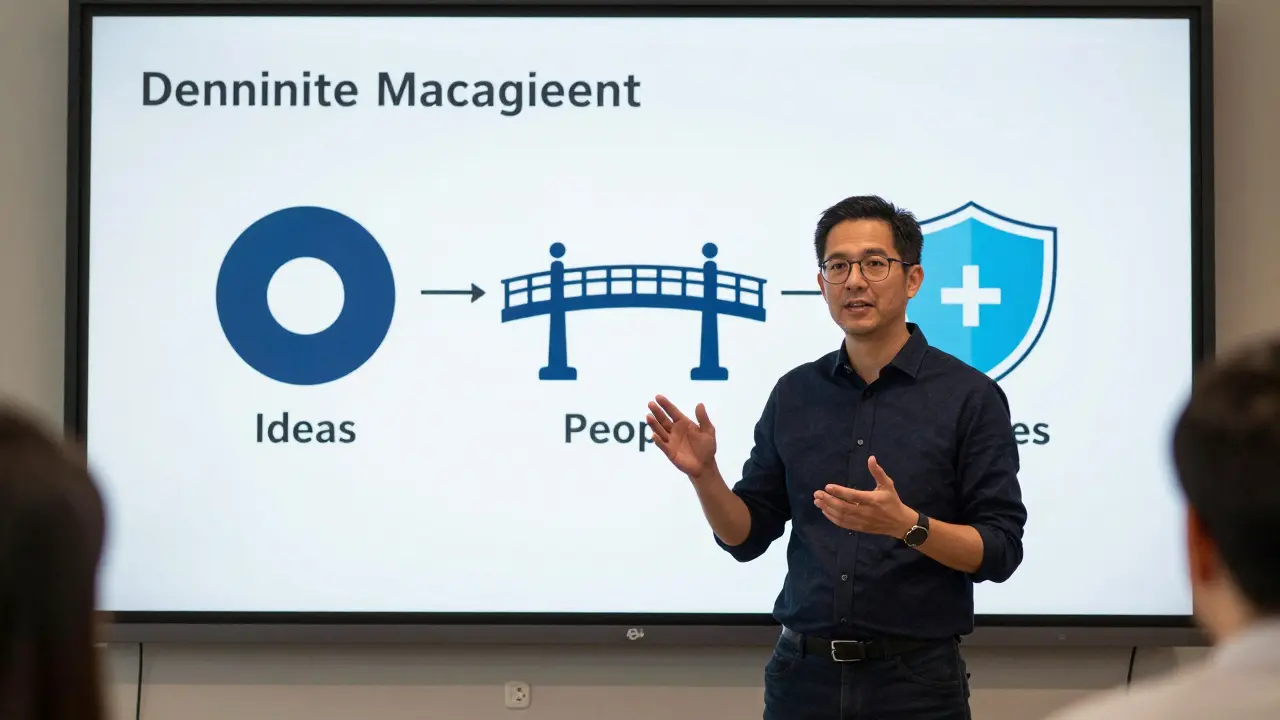
A better approach is facilitation. Your job isn’t to win the argument; it’s to keep the channel open for productive exchange. Think of yourself as a traffic controller, not a judge. You ensure cars (ideas) move safely without crashing, but you don’t decide where they should go.
This requires emotional regulation on your part. It is easy to take offense when a student attacks a concept you taught. Pause. Breathe. Remember that the student is likely frustrated with the difficulty of the material, not with you personally. Responding with calm professionalism models the behavior you want to see.
Practical Strategies for De-escalation
When tension rises, specific techniques can lower the temperature. Here are actionable steps you can take immediately:
- The "Pause" Button: If a thread is heating up, do not respond immediately. Wait at least 30 minutes. This allows emotions to cool for everyone involved. Often, by the time you reply, the initial anger has subsided.
- Reframe the Language: Instead of saying "You are being rude," try "I notice the tone in this thread has become sharp. Let’s return to focusing on the evidence from the text." This addresses the behavior, not the person.
- Move to Private Channels: If a conflict becomes personal, move it out of the public forum. Send a direct message to the parties involved. Public shaming rarely works; private coaching does. Ask open-ended questions: "What did you mean by that comment? How did you intend it to be received?"
- Use Video or Audio: Text is ambiguous. Suggesting a brief video call or voice note can restore human connection. Hearing a gentle tone often dissolves written hostility instantly.
These strategies work because they reduce ambiguity and restore empathy. They remind participants that there is a human on the other end of the pixelated avatar.
| Approach | Best For | Risk |
|---|---|---|
| Immediate Intervention | Hate speech, harassment, severe norm violations | May stifle legitimate debate; creates dependency on instructor |
| Silent Observation | Minor misunderstandings that students might resolve themselves | Conflict may escalate unnoticed; bystanders may disengage |
| Facilitated Reframing | Ideological clashes, heated academic debates | Requires high skill level; can feel manipulative if done poorly |
| Private Mediation | Personal attacks, recurring interpersonal issues | Time-consuming; removes transparency from the process |
Building Preventative Culture
The best way to manage conflict is to prevent it from becoming destructive in the first place. This starts before the first lesson begins. You cannot rely on students to intuitively know how to behave online. You must explicitly teach digital etiquette.
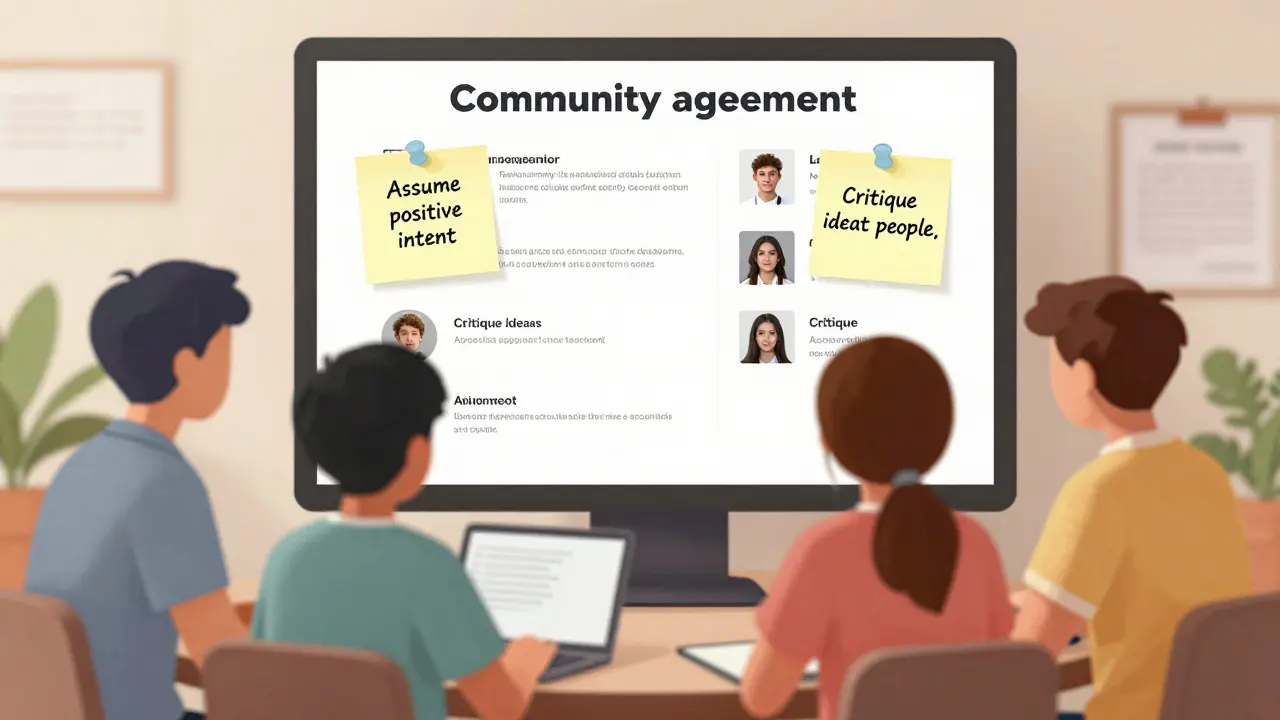
Create a community agreement is a set of norms and expectations co-created by participants to guide interactions in a group. during the first week. Don’t just paste a university policy document. Have students contribute. Ask them: "What makes you feel safe sharing ideas online? What behaviors make you want to leave a thread?" When students help write the rules, they are more likely to follow them.
Include specific guidelines about tone. For example: "Assume positive intent," or "Critique ideas, not people." Model this behavior consistently. If you make a typo or say something unclear, admit it openly and correct it. This shows vulnerability and normalizes error correction without shame.
Also, structure discussions to reduce anonymity. Require full names, professional profile pictures, and regular introductions. Anonymity breeds aggression. Identity fosters accountability. When students know who they are talking to, they are less likely to lash out.
Turning Conflict Into Learning Opportunities
Here is the secret many instructors miss: conflict is data. It tells you where the curriculum is confusing, where values clash, and where students are struggling to articulate complex thoughts. Instead of fearing these moments, lean into them.
After a heated debate settles, debrief. Ask the class: "What happened in that thread? Why did it get tense? How could we have communicated more effectively?" This meta-cognitive reflection turns a messy argument into a lesson on communication, critical thinking, and emotional intelligence. These are soft skills that employers value highly.
You can also assign roles. In future discussions, designate "devil’s advocates" or "synthesizers." Giving students a structured role for challenging ideas removes the personal sting. If Student A is assigned to play devil’s advocate, their criticism is expected and welcome, not offensive.
When to Escalate
Not every conflict can be resolved constructively. There are lines that should never be crossed. Harassment, threats, discrimination, or hate speech require immediate escalation. Do not try to mediate abuse. Follow your institution’s reporting protocols strictly.
Document everything. Save screenshots, timestamps, and URLs. Clear records protect both the victim and the instructor. If a student repeatedly violates community agreements despite warnings, involve administration early. Protecting the safety of the majority is your primary duty.
Know your limits. You are an educator, not a therapist. If a conflict stems from deep personal trauma or mental health crises, refer students to counseling services. Provide resources clearly and compassionately.
Tools That Help Manage Tension
Your platform choice matters. Some learning management systems (LMS) offer features that naturally reduce conflict. For instance, threaded discussions that collapse replies can hide inflammatory comments unless clicked, reducing their visual impact. Polls and anonymous surveys can gauge sentiment without exposing individuals to backlash.
Consider using breakout rooms in synchronous sessions. Smaller groups are easier to manage than large plenaries. Conflicts in small groups are less visible and easier to address privately. Use waiting rooms to control entry and maintain order.
Finally, leverage AI tools wisely. Some platforms now flag potentially toxic language automatically. Use these alerts as early warning signs, not verdicts. Investigate context before acting. Technology supports human judgment; it does not replace it.
How do I handle a student who constantly argues with others in my online class?
First, determine if the arguing is intellectual or personal. If it’s intellectual, channel it by assigning them a formal 'critic' role. If it’s personal or disruptive, move the conversation to private messages. Set clear boundaries: "I appreciate your passion, but repeated interruptions prevent others from participating. Please summarize your points concisely." Document patterns and escalate if behavior persists despite feedback.
What should I do if a student uses offensive language in a public forum?
Remove the post immediately if it violates code of conduct (e.g., slurs, threats). Then, send a private message to the student explaining why the language was unacceptable and asking for a reflection. Avoid public shaming. If the offense is severe, report it to administration per institutional policy. Always prioritize the safety and comfort of the broader community.
Can conflict ever be beneficial in an online learning environment?
Yes, absolutely. Constructive conflict exposes diverse perspectives, challenges assumptions, and deepens understanding. It mimics real-world professional debates. The key is ensuring the conflict remains focused on ideas, not identities, and that a safe container exists for resolution. Debriefing after conflicts turns them into powerful learning moments about communication and critical analysis.
How can I encourage respectful disagreement without silencing students?
Establish clear norms early: "Disagree with respect." Teach phrases like "I see it differently because..." instead of "You're wrong." Model active listening by summarizing opposing views before responding. Reward students who engage thoughtfully with differing opinions. Create low-stakes practice spaces for debate before tackling controversial topics.
Is it better to intervene immediately or let students resolve conflicts themselves?
It depends on severity. For minor misunderstandings, give students space to self-correct; this builds autonomy. For escalating hostility, personal attacks, or norm violations, intervene promptly. Silence can be interpreted as endorsement of bad behavior. Monitor closely, and step in if the dynamic shifts from academic to personal or abusive.
Comments
om gman
this article is basically common sense wrapped in a bunch of academic fluff. like, who needs a 'community agreement' to not be an asshole online? it’s not rocket science. but i guess we need experts to tell us how to breathe too. 🙄
Bineesh Mathew
The problem isn't the lack of rules, om gman, it's the decay of human empathy in the digital void. When you strip away the physical presence, you are left with raw id and superego battling for dominance without the mediating factor of social consequence. It is a philosophical crisis disguised as a technical one.
Jeanne Abrahams
Oh please, Bineesh. Stop trying to sound deep. You're just mad because someone finally pointed out that your 'philosophical crises' are usually just bad manners. We don't need Hegel to tell us not to call people names on a forum. Just basic decency, which seems to be in short supply here.
Oskar Falkenberg
hey guys, lets not fight! i think both points have merit. the article does mention that anonymity breeds aggression, which is true. but also, sometimes people just need a gentle reminder. i found the part about moving to private channels really helpful, especially when things get heated. maybe we can all just try to be a bit more patient with each other?
Stephanie Frank
patient? lol. this whole guide is a band-aid on a bullet wound. if you have to teach adults how to type nicely, you've already lost. the system is broken. these instructors are enabling toxic behavior by pretending they can 'facilitate' their way out of fundamental personality disorders.
Patrick Dorion
I see where you're coming from, Stephanie, but I think throwing up our hands isn't the answer either. The article makes a good point about the 'online disinhibition effect.' It's a psychological phenomenon, not just a moral failing. Understanding that helps us approach conflicts with less judgment and more strategy. Maybe that's the key-strategy over blame.
Marissa Haque
YES!! Patrick is so right!!! 😭💖 We need more understanding and less judgment! This article is literally a lifesaver for anyone who has ever been hurt by mean comments online! Let's all hold hands and sing kumbaya! 🎶✨ #BeKind #OnlineSafety
Lisa Puster
god i hate this kind of naive positivity. it's weak. real strength is standing your ground and not letting these soft-touch facilitators dictate your behavior. this whole 'community agreement' stuff is just control dressed up as collaboration. typical american weakness.
Caitlin Donehue
i'm just curious... do you think the 'pause button' strategy actually works in practice? or does it just make people feel ignored? i've seen threads blow up even after days of silence. wondering if there's data on this.
Keith Barker
data suggests it reduces immediate emotional reactivity. however, long term resentment may persist if the underlying issue isn't addressed. silence is a tool not a solution.
Joe Walters
whatever man. half these tips are useless. you cant fix a jerk with a 'reframe'. if someone is being rude, just kick them out. simple as that. all this talk about 'facilitation' is just procrastination. stop coddling people.
Robert Barakat
The impulse to eject rather than engage reveals a deeper discomfort with ambiguity. Conflict is inevitable; its resolution is optional. To dismiss the process as 'coddling' is to misunderstand the nature of social cohesion. We build bridges not by burning them, but by walking across them carefully.
Michael Richards
Let's cut the poetry, Robert. Joe is right. If you can't enforce boundaries, you have no classroom. Facilitation is fine for mild disagreements, but for outright disrespect, action is required. Weakness invites chaos. Strength maintains order. Choose wisely.