

Most people think selling an online course is about having the best content. It isn’t. You could have the most transformative curriculum in history, but if nobody knows it exists, your revenue stays at zero. The difference between a hobbyist making $500 a month and a creator hitting six figures rarely comes down to teaching ability. It comes down to marketing online courses with intent and precision.
You’re probably wondering where to start. Do you build an audience first? Do you run ads immediately? Do you need a fancy website? The truth is messy because every niche behaves differently. But there is a path that works consistently, whether you are selling a beginner’s guide to coding or an advanced masterclass on financial modeling. This guide breaks down exactly how to move from having no students to running a scalable machine.
Why Most Course Launches Fail Before They Start
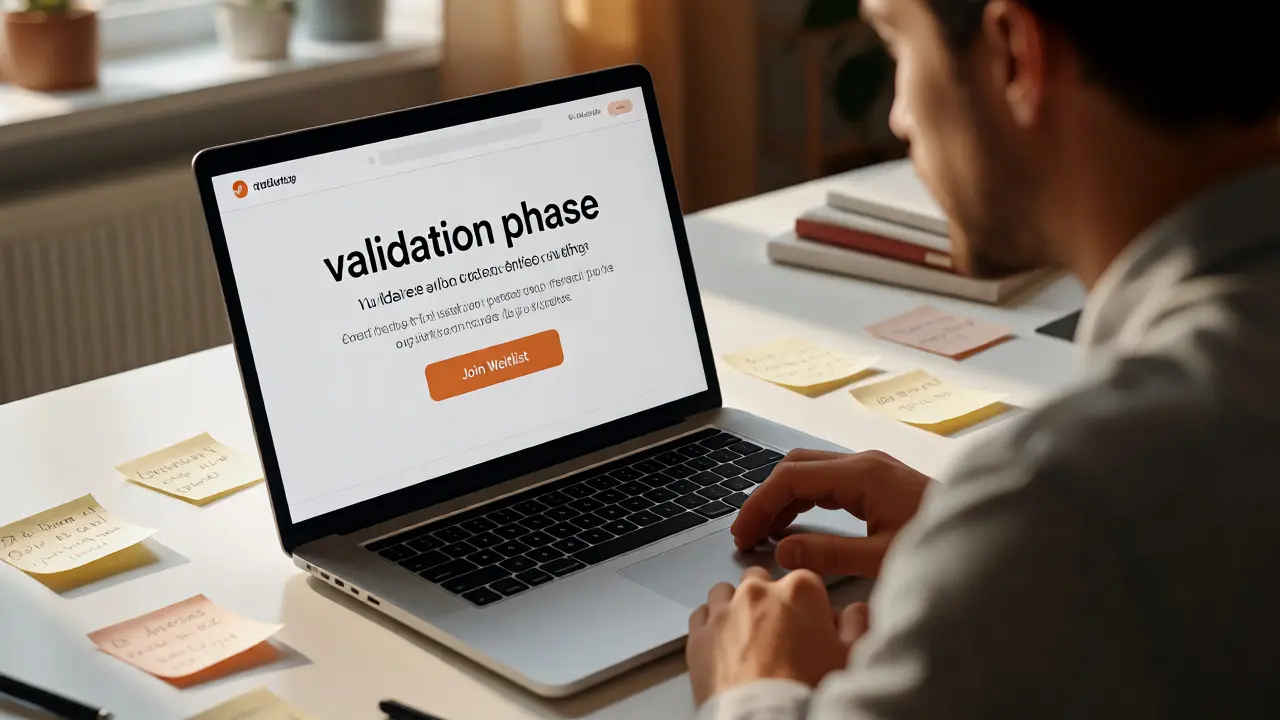
Let’s be honest: most creators fail because they build in silence. They spend six months recording videos, editing slides, and tweaking quizzes. Then they hit "publish" and wait for the magic. When crickets answer back, they panic. Why does this happen? Because they skipped the validation phase. They assumed demand existed without proving it.
Before you record a single minute of video, you need to know who you are talking to. Not just "beginners," but specific humans with specific pains. Are they frustrated freelancers trying to land their first client? Are they burnt-out managers wanting to switch careers? The more specific your avatar, the easier your marketing becomes. Vague targeting leads to vague messaging, which leads to low conversion rates.
| Method | Effort Level | Confidence Level | Best For |
|---|---|---|---|
| Social Media Polls | Low | Medium | Existing Audience |
| Landing Page Test | Medium | High | New Niche Validation |
| Pre-Sales | High | Very High | Proof of Willingness to Pay |
| Competitor Analysis | Low | Low | Market Saturation Check |
The gold standard here is pre-sales. If someone gives you money before the product exists, you have proof. It’s uncomfortable, yes. But finding out nobody wants your course after you’ve spent $2,000 on production is worse. Use tools like Carrd or Leadpages to set up a simple landing page describing the outcome, not the features. Add a button that says "Join Waitlist" or "Pre-Order." If you can’t get 100 emails, you don’t have a business yet; you have a hobby.
Building Your Foundation: The Tech Stack That Actually Converts
You don’t need a custom-coded platform. In fact, complex tech often kills momentum. You need three things: a place to host content, a way to capture emails, and a way to process payments. Keep it boring. Boring works.
For hosting, platforms like Teachable, Kajabi, or Thinkific handle the heavy lifting. They manage student logins, video streaming, and drip schedules. Don’t reinvent the wheel unless you have a very specific reason. For email, Mailchimp or ConvertKit are industry standards. They integrate seamlessly with almost every course platform. And for payments, Stripe is non-negotiable for its ease of use and global reach.
Here is the trap many fall into: they obsess over branding colors and logo fonts while ignoring the funnel structure. Your funnel is the journey a stranger takes to become a customer. It usually looks like this: Ad/Post → Landing Page → Email Sequence → Sales Page → Checkout. Every step needs to remove friction. If a user has to create an account before seeing the price, you’ll lose them. Let them see the value first.
Kajabi is an all-in-one marketing platform designed specifically for online course creators, combining hosting, email marketing, and sales funnels into a single interface. While pricier than standalone tools, it reduces technical overhead significantly. Many beginners find this consolidation worth the cost because it eliminates the headache of connecting five different APIs.
The Traffic Engine: Where to Find Your First Students
Once your offer is validated and your tech is ready, you need eyeballs. This is where most guides get fluffy, saying "use social media." Which social media? How? Here is the reality: you should go where your customers already hang out, not where you enjoy posting.
If you teach B2B skills, LinkedIn is your playground. Short, punchy posts sharing insights or case studies work well. Engage in comments. DM people who engage. It’s slow, but the leads are high-quality. If you teach creative skills or lifestyle topics, Instagram Reels or TikTok might drive volume. YouTube is powerful for long-term SEO but requires consistent output over months before you see real traction.
Paid traffic accelerates this, but it’s dangerous without a solid funnel. Running Facebook Ads to a cold audience without an email capture step is burning cash. Instead, use paid ads to drive traffic to a free lead magnet-a checklist, a mini-course, or a webinar. Once they are in your email list, you nurture them. You build trust. Then you sell.
Consider this heuristic: for every $1 you spend on ads, you want to make $3 back immediately (ROAS of 3). If you aren’t there yet, fix your offer or your landing page before spending more. Never scale traffic until your conversion rate is stable.

Nurturing Leads: The Power of Email Sequences
Email is still the highest ROI channel for course creators. It’s owned media. No algorithm changes can wipe out your list overnight. But sending one email saying "My course is open!" doesn’t cut it. You need a sequence that addresses objections and builds desire.
A classic five-email sequence works wonders:
- Email 1: The Hook. Deliver the lead magnet and introduce yourself briefly. Set expectations for what’s coming.
- Email 2: The Problem. Agitate the pain point. Show them you understand their struggle better than they do.
- Email 3: The Solution. Introduce your course as the bridge between their current state and desired state.
- Email 4: Social Proof. Share testimonials, case studies, or results from beta testers. People buy outcomes, not modules.
- Email 5: The Urgency. Close the cart. Explain why acting now matters. Bonuses, discounts, or cohort deadlines work here.
Personalization helps. Using merge tags to insert the subscriber’s first name feels human. Segmenting your list based on behavior-did they click the link? Did they watch the video?-allows you to send targeted follow-ups. If someone clicked the pricing page but didn’t buy, send them a FAQ email addressing common concerns. If they bought, send them an onboarding sequence to ensure they actually consume the content.
Scaling Up: Automation and Affiliate Partnerships
You’ve got steady sales. Now what? Manual outreach won’t scale past a certain point. You need systems. This is where automation shines. Tools like Zapier can connect your form submissions to your CRM, trigger welcome emails, and even add students to private community groups automatically. This frees up your time to focus on content and strategy rather than admin tasks.
Another massive lever is affiliates. Who else serves your audience? Podcasters, bloggers, other course creators. Offer them a commission-typically 20-40%-for every sale they refer. It’s performance-based marketing. You only pay when you get paid. Provide them with swipe copy, banners, and tracking links. Make it easy for them to sell your stuff.
Also, look at retargeting. Only 2-5% of visitors buy on their first visit. Retargeting ads remind those who left without buying. These ads are cheap because the audience is warm. They already know you. They just need a nudge. Maybe they were distracted. Maybe they needed to check with their spouse. A simple ad saying "Still thinking about [Course Name]?" can recover lost revenue.

Retention and Referrals: Turning Students into Advocates
Acquiring a new customer costs five times more than retaining an existing one. But with courses, retention means completion and upsells. If students drop out halfway through, they won’t recommend you. Design your course for completion. Break lessons into bite-sized chunks. Celebrate milestones. Send reminders if they haven’t logged in for a week.
Ask for reviews early. Happy students are your best marketers. Encourage them to leave feedback on your platform or share their wins on social media. Tag you. This creates organic social proof that you can reuse in your ads and landing pages. Consider creating a referral program. Give students a unique link. If a friend buys through it, both get a discount or bonus. It turns passive consumers into active promoters.
Finally, don’t forget the backend. Once someone finishes your beginner course, what’s next? An advanced course? A coaching call? A membership community? Lifetime value increases when you have a clear progression path. Don’t let your customer base churn simply because you ran out of offers.
Frequently Asked Questions
How much budget do I need to start marketing my online course?
You can start with under $100. Focus on organic channels like social media and SEO initially. Invest in paid ads only once you have a proven conversion rate. A small budget for a landing page builder and email service provider is sufficient for the first few hundred students.
Do I need a big audience before launching?
No. Many successful courses launched to audiences of fewer than 1,000 people. Quality of engagement matters more than quantity. A highly engaged micro-audience will convert better than a large, passive following. Validate your offer with pre-sales regardless of audience size.
What is the best platform for hosting online courses?
It depends on your technical comfort level. Kajabi and Teachable are great for beginners due to their all-in-one nature. WordPress with LearnDash offers more customization but requires more maintenance. Choose based on your need for control versus convenience.
How do I price my online course?
Price based on the transformation provided, not the hours of content. Research competitor pricing within your niche. Generally, beginner courses range from $50-$200, intermediate from $200-$500, and advanced/masterclasses from $500+. Test different price points during your launch.
Should I use webinars to sell my course?
Yes, especially for higher-ticket courses ($200+). Webinars allow you to demonstrate expertise and address objections in real-time. They build trust faster than static sales pages. However, they require significant preparation and promotion effort compared to evergreen funnels.