

Have you ever clicked on a course thumbnail and immediately felt like you were watching a Netflix documentary instead of a lecture? That is the exact feeling MasterClass is a premium online education platform that delivers high-production-value courses taught by world-renowned experts in various fields. Unlike traditional e-learning sites where a webcam and a PowerPoint slide might suffice, MasterClass has redefined what digital learning looks like. It treats education not as a chore, but as entertainment.
This shift isn't accidental. It is the result of a deliberate, highly engineered content delivery strategy that prioritizes cinematic quality, star power, and immersive storytelling over dry academic rigor. If you are looking to understand how this platform maintains its allure-or if you are an educator or entrepreneur trying to replicate its success-you need to look under the hood. Let's break down exactly how they deliver value, why it works, and what it costs users in terms of time and money.
The Cinematic Production Standard
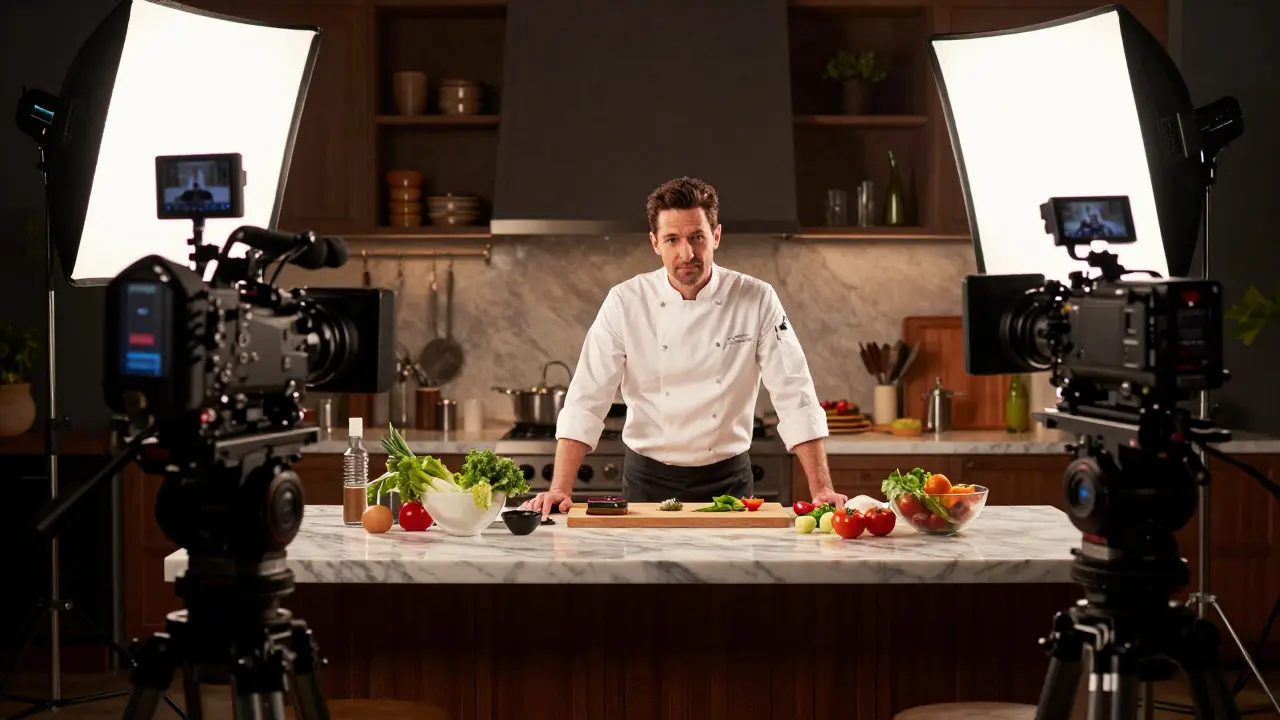
The first thing you notice about MasterClass is the visual fidelity. We aren't talking about 1080p webinars here. We are talking about multi-camera setups, professional lighting rigs, and sound design that rivals Hollywood blockbusters. This approach stems from their founding philosophy led by Aaron Rappaport, who wanted to create "Netflix for learning."
Why does this matter? Because attention is the scarcest resource in online education. Most drop-off rates happen in the first three minutes of a video. By using dynamic camera angles, B-roll footage, and high-end audio mixing, MasterClass keeps viewers engaged emotionally before they even start absorbing intellectual content. For example, Gordon Ramsay’s cooking classes don’t just show him chopping onions; they use macro lenses to capture the texture of the ingredients and dramatic lighting to highlight his intensity. This creates a sensory experience that standard Zoom-recorded lectures simply cannot match.
This production model requires significant investment. Reports suggest each class costs upwards of $100,000 to produce. While this sounds expensive, it serves a dual purpose: it acts as a massive marketing asset (the trailers go viral) and it validates the premium price point for subscribers. You feel like you are getting something exclusive because it looks exclusive.
The Celebrity Instructor Model
You can have the best cameras in the world, but without the right talent, the platform fails. MasterClass relies heavily on the celebrity instructor model. They don't hire professors; they hire icons. Think Shonda Rhimes teaching writing, Neil Gaiman teaching fiction, or Serena Williams teaching tennis.
This strategy leverages social proof and aspiration. When you sign up, you aren't just buying information; you are buying proximity to greatness. The psychological hook is powerful: "If I watch how Ray Dalio manages money, maybe I can think like him." This is different from platforms like Coursera or edX, which partner with universities to offer accredited degrees. MasterClass offers inspiration and high-level frameworks, not credentials.
However, this model has limitations. Not every celebrity is a good teacher. Some classes suffer from a lack of structure, relying too much on anecdotal wisdom rather than actionable steps. Critics often point out that while the advice is profound, it is rarely specific enough for a beginner to implement immediately without additional resources. This gap between inspiration and execution is a key critique of the platform’s educational efficacy.

Curriculum Structure and Learning Materials
Beyond the video, how is the knowledge structured? MasterClass uses a modular approach. Each course is broken down into short, digestible chapters, usually lasting 5 to 15 minutes. This micro-learning format fits well into busy schedules. You can watch one lesson on your commute and another during lunch.
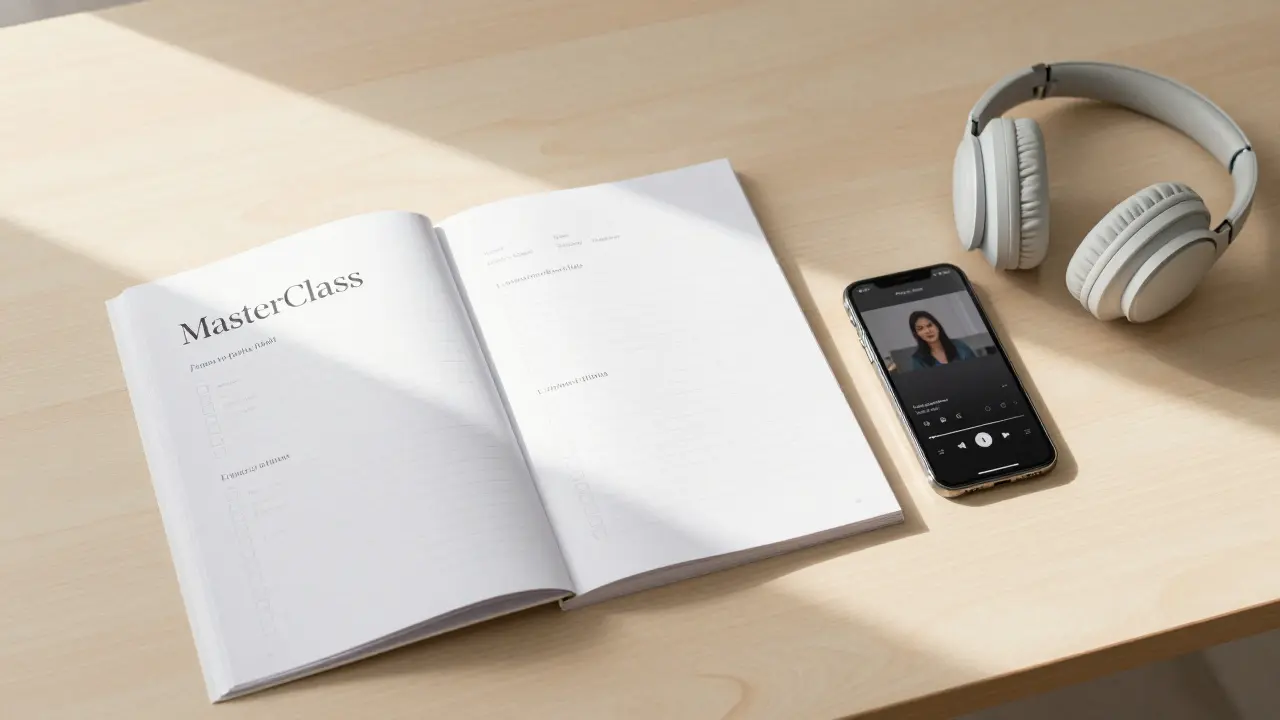
But videos alone aren't enough. To add tangible value, most classes include downloadable workbooks. These are PDF guides that summarize key concepts, provide exercises, and offer checklists. For instance, in Ann Lamott’s writing class, the workbook includes prompts and editing tips that you can reference later. This transforms passive viewing into active learning.
Despite these materials, there is a notable absence of interactive elements. There are no quizzes, no peer reviews, and no direct feedback from the instructors. You are on your own after the video ends. This makes MasterClass less suitable for skill acquisition that requires correction, such as learning a new language or coding. It excels in areas where self-reflection and mindset shifts are more important than technical precision.
| Feature | MasterClass | Coursera / Udemy |
|---|---|---|
| Instructor Type | Celebrities & Industry Icons | Professors & Subject Matter Experts |
| Production Quality | Cinematic, Multi-Camera | Standard Web Video |
| Accreditation | None (Hobby/Inspiration) | Certificates & Degrees Available |
| Interactivity | Low (Watch & Read) | High (Quizzes, Projects, Forums) |
| Primary Goal | Mindset & Inspiration | Skill Acquisition & Certification |
The Subscription Economics
How do you pay for all this? MasterClass operates on a subscription model. As of 2026, the annual plan typically hovers around $180 per year, which breaks down to about $15 a month. This pricing strategy is designed to lower the barrier to entry compared to buying individual courses on platforms like Udemy, where a single course might cost $20-$50.
The economic logic is simple: if you take two or three classes a year, it pays for itself. But the real value proposition depends on your consumption habits. If you binge-watch classes without applying the lessons, the ROI drops significantly. Conversely, if you use the workbooks to overhaul your business strategy or creative process, the value skyrockets.
One risk with this model is "shelf-ware." Many users subscribe, watch a few popular classes, and then let the library gather dust. Without community accountability or deadlines, motivation wanes. This is a common pitfall in self-paced learning environments. To combat this, some users form private study groups or join third-party communities to discuss the material, adding a layer of social learning that the platform itself doesn't provide.
Who Is MasterClass Actually For?
Not everyone needs MasterClass. It is crucial to define your goals before subscribing. Here is a quick heuristic to decide if it fits your needs:
- Choose MasterClass if: You are seeking inspiration, want to broaden your perspective, enjoy high-quality entertainment, or are looking for high-level strategic frameworks from leaders in their field.
- Avoid MasterClass if: You need a certified credential for your resume, require hands-on technical training (like coding or data analysis), or need personalized feedback on your work.
For example, a marketing manager might benefit greatly from Seth Godin’s class on modern marketing principles to refresh their thinking. However, a junior developer looking to learn Python would be better served by a platform like Codecademy or freeCodeCamp, which offer interactive coding environments and immediate error checking.
Future Trends and Platform Evolution
As we move through 2026, the landscape of online education continues to shift. AI-driven personalization is becoming a major focus across the industry. While MasterClass has remained relatively static in its delivery method, competitors are experimenting with AI tutors that adapt to student pace. MasterClass may eventually integrate AI tools to help users generate summaries or quiz themselves based on the video content, bridging the gap between passive watching and active recall.
Additionally, there is growing demand for niche expertise. While the current roster features global superstars, future growth may come from deep-diving into specialized industries-such as sustainable agriculture, fintech regulation, or advanced robotics-where mid-level experts offer more practical, day-to-day advice than celebrities can.
Is MasterClass worth the money in 2026?
It depends on your learning style. If you value high-production entertainment and inspirational insights from famous figures, yes, the annual subscription offers great value. However, if you need accredited certificates or hands-on technical skills, other platforms like Coursera or LinkedIn Learning provide better ROI for career advancement.
Do MasterClass courses offer certificates upon completion?
No, MasterClass does not issue certificates or diplomas. The platform focuses on personal enrichment and hobby development rather than academic accreditation. Therefore, completing a course will not count toward university credits or professional licensing requirements.
Can I download MasterClass videos for offline viewing?
Yes, the mobile app allows you to download classes for offline viewing. This is particularly useful for travelers or those with limited internet connectivity. Note that downloaded content is protected by DRM and can only be played within the official MasterClass app.
What is the difference between MasterClass and Skillshare?
MasterClass features pre-recorded, high-budget classes taught by celebrities, focusing on inspiration and broad strategies. Skillshare, on the other hand, hosts thousands of user-generated classes taught by peers, focusing on practical, step-by-step tutorials for creative and business skills. Skillshare is better for learning specific techniques; MasterClass is better for mindset shifts.
Does MasterClass have a free trial?
Occasionally, MasterClass offers promotional trials or discounted introductory rates, but they do not consistently maintain a permanent free trial period. It is advisable to check their official website for current promotions. Always cancel before the trial period ends if you do not wish to be charged for the full annual subscription.