

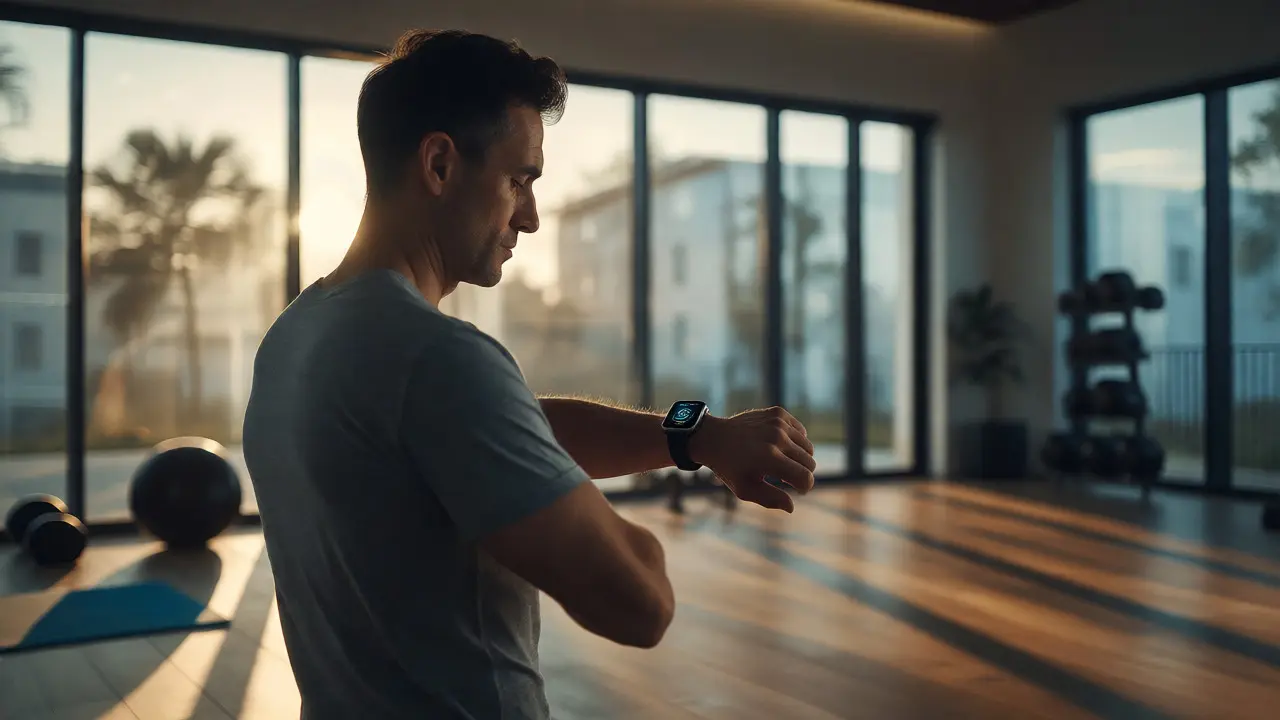
Most guys don’t think about their health until something breaks. A knee gives out during a weekend hike, or a blood pressure reading spikes at the doctor’s office, and suddenly, you’re scrambling for answers. But what if there was a structured way to stay ahead of the curve? That’s where a Men’s Health Course comes in. It’s not just about lifting weights or eating fewer carbs; it’s a comprehensive framework designed to address the specific physiological and psychological needs of men. Think of it as an owner’s manual for your body, updated for modern life.
Why Men Need a Specific Wellness Framework
Let’s be real: generic health advice often misses the mark for men. While the basics of nutrition and exercise apply to everyone, men have unique risk factors. Heart disease remains the leading cause of death for men globally, yet symptoms often present differently than in women. Testosterone levels decline naturally after age 30, impacting energy, mood, and muscle mass. A standard gym routine might ignore these hormonal shifts, leaving men feeling tired despite working out hard. A dedicated course bridges this gap by focusing on Preventive Care tailored to male biology.
This isn’t about fear-mongering. It’s about empowerment. When you understand how your body changes from your 20s through your 50s, you can adjust your habits proactively. You stop guessing whether that fatigue is just stress or a sign of low iron. You learn why sleep quality drops as you age and what actually helps. The goal is sustainable vitality, not quick fixes that fade by Tuesday.
Core Pillars of a Modern Men’s Health Curriculum
A robust Wellness Course typically rests on four pillars. Ignoring any one of them creates weak spots in your overall health strategy.
- Nutritional Intelligence: Moving beyond "eat less, move more" to understanding macronutrient timing, gut health, and the role of micronutrients like Zinc and Vitamin D in testosterone production.
- Movement and Mobility: Focusing on functional strength rather than just aesthetics. This includes injury prevention, flexibility work, and cardio strategies that protect heart health without burning you out.
- Mental Resilience: Addressing stress management, sleep hygiene, and emotional intelligence. Men are statistically less likely to seek mental health support, so teaching self-regulation techniques is crucial.
- Sexual and Reproductive Health: Often overlooked in general fitness courses, this module covers libido, erectile function as a vascular marker, and fertility awareness.
Each pillar interacts with the others. Poor sleep tanks your hunger hormones, leading to poor food choices, which affects energy for workouts. A good course teaches you to see these connections, not treat each issue in isolation.
Structuring Your Learning Journey
If you’re looking to enroll in or design a program, structure matters. Random information consumption leads to confusion. A well-organized framework follows a logical progression. Here’s how effective modules usually break down:
| Module Phase | Focus Area | Key Outcomes |
|---|---|---|
| Foundation (Weeks 1-4) | Baseline Assessment & Education | Understanding personal metrics, setting realistic goals, identifying bad habits. |
| Implementation (Weeks 5-12) | Habit Formation & Skill Building | Consistent workout routines, improved diet adherence, better sleep patterns. |
| Optimization (Months 4-6) | Data-Driven Adjustments | Tweaking macros, advanced training techniques, managing stress triggers. |
| Maintenance (Ongoing) | Lifestyle Integration | Long-term sustainability, preventing relapse, adapting to life changes. |
The Foundation phase is critical. Many men skip this step, jumping straight into heavy lifting or strict diets. Without a baseline-knowing your resting heart rate, body composition, or blood markers-you can’t measure progress accurately. A good course forces you to pause and assess before you act.

The Role of Technology and Data
We live in an era of quantified self. Wearables like Apple Watches or Fitbits provide data on heart rate variability, sleep stages, and activity levels. But raw data is useless without context. A modern Health Education component should teach you how to interpret this info.
For instance, a high resting heart rate might indicate overtraining or poor recovery, not just lack of fitness. Low HRV (Heart Rate Variability) could signal stress or illness before symptoms appear. Courses that integrate tech literacy help you use these tools as diagnostic aids, not just vanity metrics. You learn to ask: "Is my body telling me to push harder today, or to rest?" instead of blindly following a schedule.
Overcoming Common Barriers to Entry
So, why haven’t most men signed up for such a course yet? Time and skepticism are the big ones. Men are busy, and sitting through hours of lectures feels inefficient. The best programs respect this by offering bite-sized content-short videos, actionable checklists, and community forums for quick questions. They prioritize application over theory.
Skepticism runs deep too. After years of conflicting diet trends and fad supplements, many guys roll their eyes at "wellness gurus." Credible courses stand out by citing scientific studies and avoiding miracle claims. Look for instructors with medical backgrounds or certified coaching credentials. If a course promises to "boost testosterone by 200% in a week," run. Real change takes months, not days.
Choosing the Right Program for Your Life Stage
Your needs at 25 differ vastly from those at 45. A young professional might focus on building muscle and managing career stress. An older man might prioritize joint health, prostate screening, and maintaining cardiovascular endurance. Some platforms offer tiered access based on age groups or goals.
Consider your current lifestyle. Do you travel frequently? Look for programs with flexible scheduling and home-workout options. Are you dealing with specific issues like back pain or high cholesterol? Seek specialized tracks within broader wellness frameworks. There’s no one-size-fits-all solution, but a good framework provides the tools to customize your path.
Building a Support System
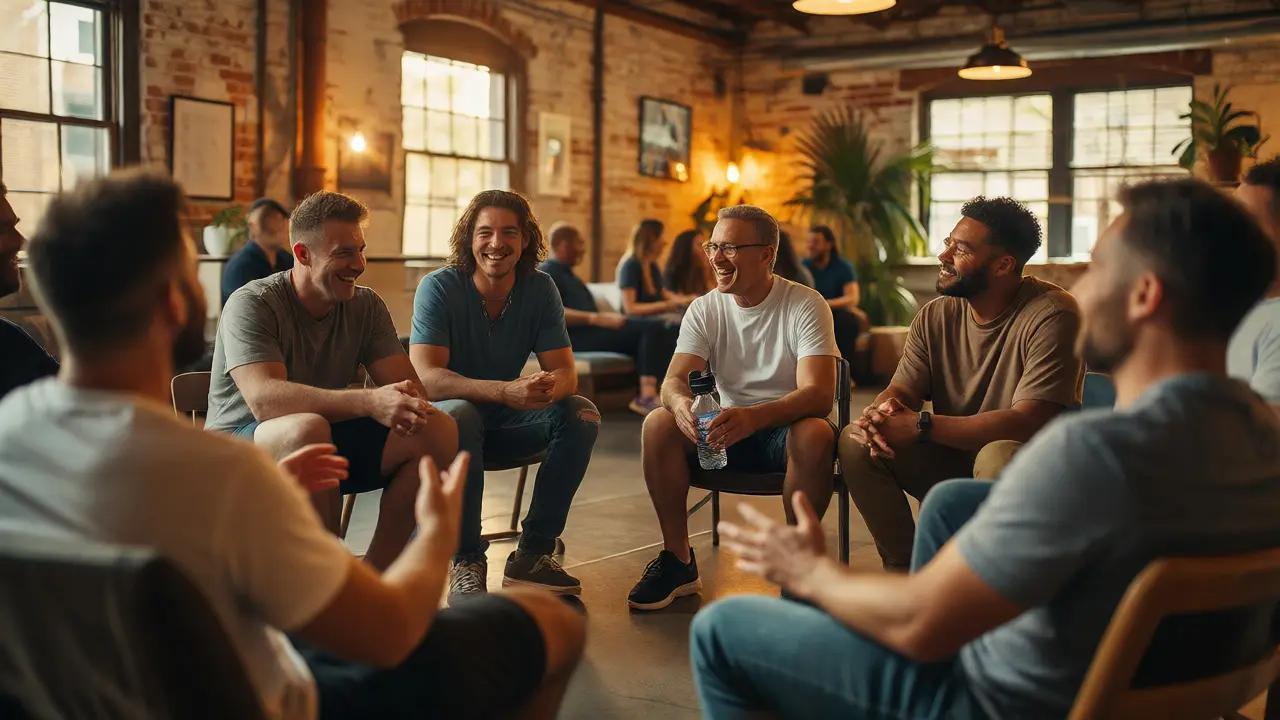
Health is rarely a solo journey. Isolation kills motivation. Effective courses often include community components-forums, group challenges, or peer accountability partners. Talking to other men who face similar struggles normalizes the conversation around vulnerability and health maintenance.
You don’t need to become best friends with every member, but having a space to share wins and losses keeps you engaged. Plus, hearing how someone else managed their diabetes or quit smoking provides practical, relatable proof that change is possible. It turns abstract advice into lived experience.
Final Thoughts on Long-Term Vitality
Investing in a Men’s Wellness course isn’t just about living longer; it’s about living better. It’s about having the energy to play with your kids, the clarity to perform at work, and the confidence to age gracefully. The framework gives you the map, but you still have to walk the path. Start small, stay consistent, and let the data guide your next steps.
Do I need to be fit to start a men’s health course?
No. These courses are designed for all fitness levels. Beginners often benefit the most because they establish healthy habits early without the baggage of long-term bad practices. The curriculum usually scales intensity based on individual baselines.
How much time does a typical course require per week?
Most modern frameworks are designed for busy schedules, requiring 3-5 hours per week. This includes watching short educational videos (15-20 mins), completing workouts (30-45 mins), and reviewing progress logs. Flexibility is key to consistency.
Can online courses replace regular doctor visits?
No, they complement them. A course teaches you how to maintain health and spot potential issues, but only a medical professional can diagnose conditions or prescribe medication. Use the course knowledge to have more informed conversations with your GP.
What makes men’s health different from general wellness?
Men generally have higher muscle mass, lower body fat percentages, and different hormonal profiles. Risks like heart disease manifest differently, and men are statistically less likely to seek preventive care. Specialized courses address these biological and behavioral nuances specifically.
Are supplements necessary in these courses?
Not necessarily. Most reputable courses emphasize getting nutrients from whole foods first. Supplements like Vitamin D or Omega-3s may be recommended based on blood tests, but they are viewed as additions to a solid diet, not replacements for it.
Comments
Chris Neal
Actually, the premise that men need a 'specific' framework is largely marketing fluff. Human physiology regarding basic metabolic pathways, cardiovascular health, and musculoskeletal mechanics is about 95% identical across sexes. The differences in testosterone or muscle mass distribution are quantitative, not qualitative. You don't need a separate 'owner's manual'; you just need to adjust the variables in the standard manual. Most of what is listed here as unique male advice is just general health literacy packaged for people who ignore their bodies until they break. Zinc and Vitamin D matter for everyone, not just because of testosterone production.
Vishnu Vardhan Reddy M S
Haha oh Chris you absolute legend for that reality check! But look, I get where you're coming from on the biology side, truly. However, let's be real about the psychology part though? Men statistically suck at asking for help and tend to ignore subtle symptoms until it's too late. So while the *biology* might be similar, the *behavioral approach* definitely needs tweaking. This course seems less like a medical textbook and more like a structured nudge system for guys who would otherwise ignore their own blood pressure readings for ten years. It’s supportive coaching disguised as education, which is exactly what most of us need because we’re stubborn as mules.
Kyle Ware
Agreed with Vishnu on the behavioral aspect. The data point about heart disease symptoms presenting differently is crucial though. That isn't just marketing; it's clinical reality. Men often experience jaw pain or nausea rather than classic chest crushing. Generic advice misses that nuance. Also the sleep hygiene section is underrated. Most men underestimate how much poor sleep tanks their hormonal profile. It's not just about feeling tired it's about cortisol spikes affecting everything else. Good breakdown of the pillars without getting too bogged down in pseudoscience.
Iva Grekova
This looks super helpful for my partner honestly. He always says he doesn't have time but then spends two hours scrolling Reddit. Maybe seeing it broken down into bite-sized modules will actually click for him. Love the emphasis on mental resilience too since guys rarely talk about stress properly.
Onyinyechi Nwosu
the part about sexual health being a vascular marker is so important yet nobody talks about it openly enough. good to see it included as a core pillar instead of an afterthought
Chandan Singh
The module structure is logical but the claim that 'generic health advice often misses the mark' is debatable. Most generic advice is simply ignored by men due to lifestyle choices, not lack of specificity. A man who eats well and exercises will benefit regardless of whether the advice was labeled 'for men' or 'general'. The value proposition here relies heavily on the psychological framing of masculinity rather than physiological necessity. If you can discipline yourself to follow a standard protocol you do not need this specific curriculum. It is essentially accountability outsourcing.
Brannen Hall
Yeah no kidding Chandan. Half these courses are just repackaged Wikipedia articles with a subscription fee attached. Why pay for 'Nutritional Intelligence' when you can read a label? It’s lazy criticism but accurate. Unless there’s actual personalized coaching involved it’s just expensive content consumption.
tiffany King
I think the community aspect mentioned at the end is the real gold mine here. Having peers to share wins with changes the game completely. It turns a lonely struggle into a team effort. Very encouraging perspective!
Brenna Gonedrman
OMG YES FINALLY someone says it! We are literally dying out here because we don't know our own bodies!! It is SO frustrating when doctors act surprised that we didn't know about our own risk factors. This framework is basically life-saving information that should be taught in schools!! I am so happy to see this normalized. Go guys go!!
Courtney Wagstaff
Love the vibe of this post. It feels like a gentle tap on the shoulder rather than a lecture. The idea of treating your body like a project with phases-foundation, implementation, optimization-is such a smart way to frame it for analytical minds. Makes the whole 'wellness' thing feel less woo-woo and more actionable. Definitely sharing this with my gym buddy who thinks protein powder is the answer to all his problems.
Elisabeth Ballet
Listen up. Stop making excuses. You say you don't have time? You have time to waste on nonsense. You have time to complain about fatigue. This framework forces you to take ownership. No one is coming to save you. Not your wife, not your doctor, not this internet article. YOU have to walk the path. Start today. Do the assessment. Fix your sleep. Lift something heavy. Get your bloodwork done. Stop waiting for permission to be healthy. Your vitality is your responsibility. Own it. Now.
Joanna Mucha
It is fascinating, is it not, how modernity has severed the ancient tether between man and his physical vessel? We treat the body as a machine to be optimized, a spreadsheet of metrics to be balanced, yet we forget that the body is also a landscape of emotional memory. To reduce wellness to 'data-driven adjustments' is to strip away the soul of existence. True health is not merely the absence of disease or the presence of optimal HRV; it is the harmonious integration of spirit and flesh. These courses offer maps, yes, but do they teach us how to wander? Or do they merely instruct us to run faster on a treadmill of our own making?
Kim Edwards
OH MY GOD THE DRAMA OF HEALTH!!! 😱 One minute you're fine, next minute your knee gives out and your whole life collapses!!! It's terrifying right?! But then... THEN you find a course that promises to fix it all?! It's like finding a golden ticket in a chocolate factory!!! I'm shaking just thinking about the potential transformation!!! We MUST seize this opportunity before it slips away into the void!!! DO NOT LET YOUR BODY BETRAY YOU AGAIN!!! 🎭🔥
Bonnie Watt
Look, I’m sure this is great if you have money to burn and nothing better to do. But seriously? Paying for common sense? My dad never took a 'men's health course' and he lived to 90 eating bacon every day. Maybe some of us just need to stop overcomplicating things and start moving. This feels like another industry trying to monetize insecurity. Just go outside. Touch grass. Lift weights. Don’t buy the hype.