

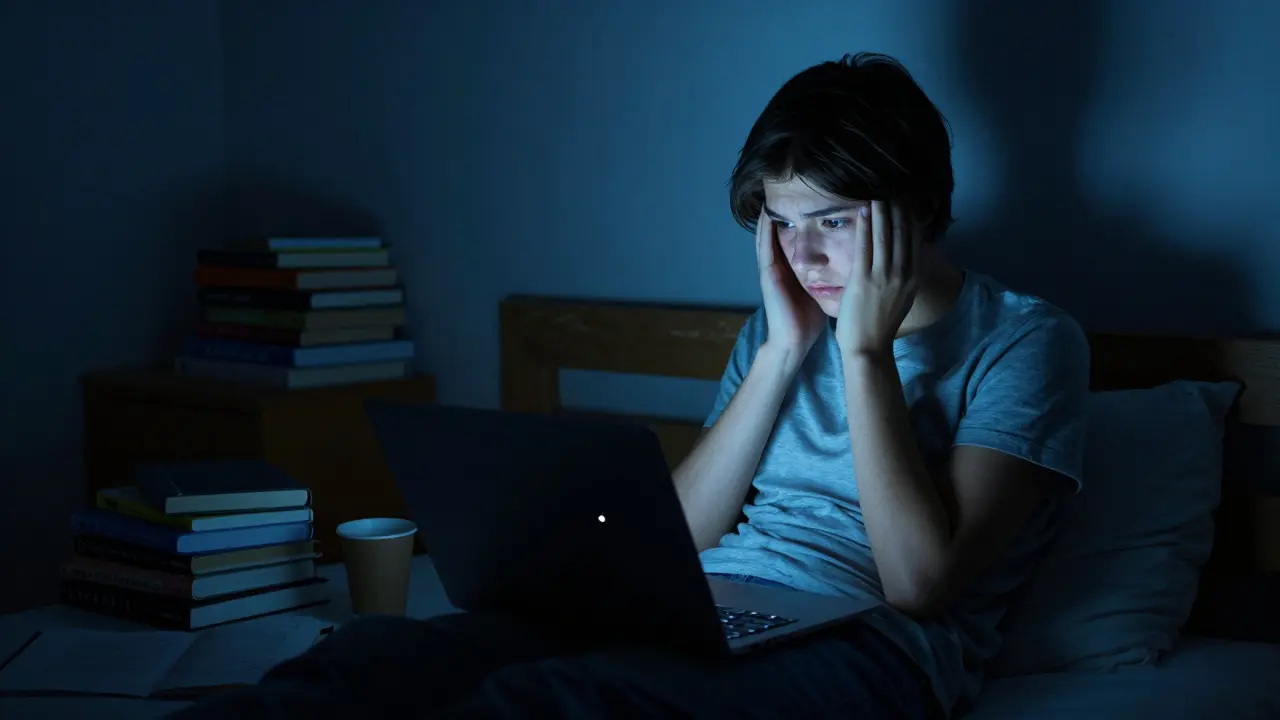
It’s 2 a.m. You’re staring at a blank screen, the cursor blinking like a judgmental eye. The deadline was yesterday. Your Zoom camera is off, your chat is muted, and you feel completely alone in a class of two hundred people. If this sounds familiar, you aren’t just tired-you’re experiencing the hidden crisis of mental health support in online learning is the structured assistance provided to students navigating psychological challenges within digital education platforms.
The shift to remote education wasn’t just a logistical change; it was a psychological earthquake. Before 2020, campus life offered built-in buffers against stress: face-to-face interactions, clear boundaries between study and home, and immediate access to counseling centers. Today, those buffers are gone. For millions of students worldwide, the laptop is both classroom and living room, teacher and therapist. Without intentional support systems, isolation becomes the default setting.
The Hidden Cost of Digital Isolation
We often talk about online learning in terms of convenience and flexibility. But what we rarely discuss is the erosion of social connection. Human beings are wired for proximity. When you remove physical presence, you remove non-verbal cues-the nod of encouragement from a professor, the shared sigh with a peer before an exam. These micro-interactions build resilience.
In their absence, students report higher levels of anxiety and depression. A 2025 study by the National Institute of Mental Health found that digital fatigue is psychological exhaustion resulting from excessive use of digital communication tools affects 68% of full-time online learners. This isn’t just about being bored with screens. It’s about the cognitive load of constantly performing “presence” through a lens while managing household distractions, technical glitches, and the pressure to self-motivate without external structure.
The result? A silent epidemic of disengagement. Students don’t always drop out because they can’t handle the material. They leave because they feel invisible. And when you feel invisible, your mental health suffers first.
Why Traditional Campus Support Doesn’t Translate Online
You might think, “Can’t I just call the university counseling center?” Yes, but there’s a catch. Traditional mental health services were designed for brick-and-mortar campuses. They assume you’ll walk into an office during business hours. In an online environment, that model breaks down.
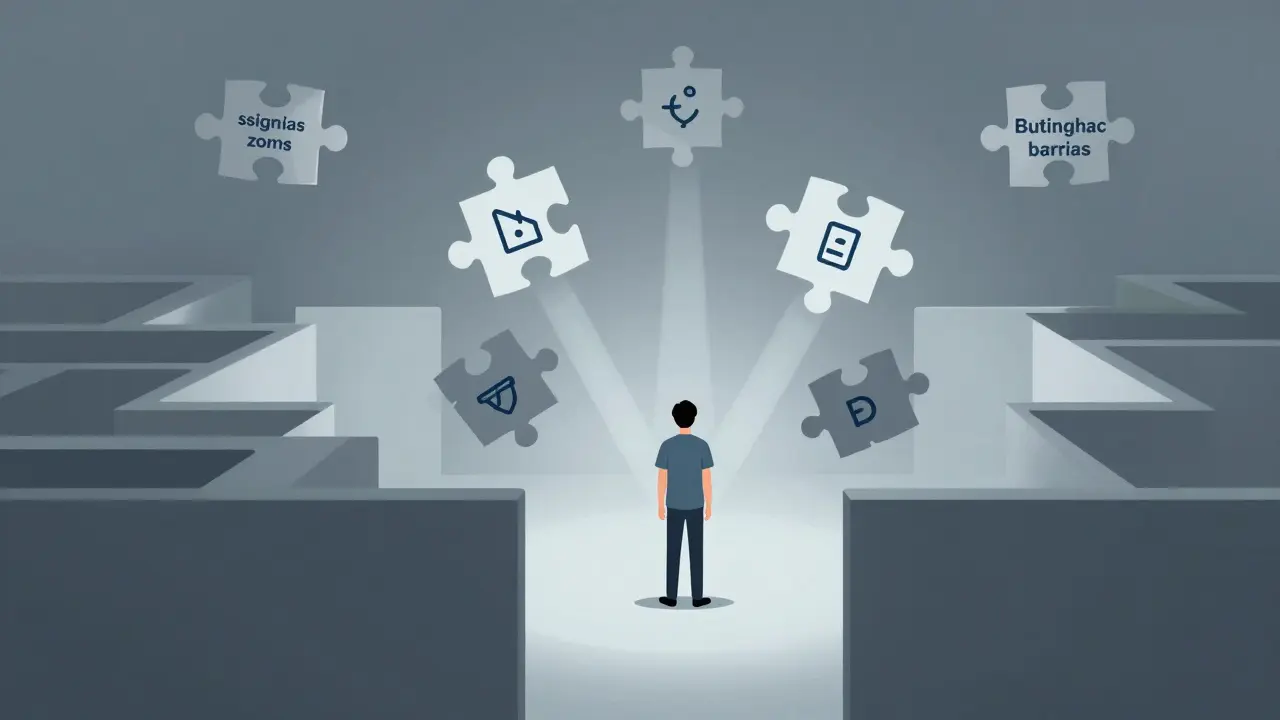
Consider the barriers:
- Time zone fragmentation: A global cohort means peak distress times vary wildly. What’s lunchtime in Auckland is midnight in London.
- Stigma amplification: Asking for help via email feels more intrusive than walking into a counselor’s office. Many students fear their request will be logged, shared, or judged.
- Lack of immediacy: Crisis moments don’t wait for appointment slots. By the time you get a callback, the window for intervention may have closed.
This gap creates a dangerous vacuum. Students who once relied on casual check-ins with advisors now face a bureaucratic maze to access basic emotional support. The solution isn’t just to digitize old methods-it’s to redesign support from the ground up for virtual realities.
Building Effective Virtual Support Systems
So, what does good mental health support look like in a digital world? It starts with accessibility. Not just “available,” but frictionless. Here’s how leading institutions are adapting:
Asynchronous counseling is therapeutic support delivered through text-based platforms allowing students to communicate at their own pace has emerged as a game-changer. Unlike video calls, which require scheduling and preparation, async platforms let students write out their thoughts whenever they arise. A student in Tokyo can message a counselor in New York at 3 a.m., receive a thoughtful response by morning, and continue their day without missing class. This reduces the barrier to entry significantly.
Another critical component is proactive outreach. Instead of waiting for students to cry for help, universities are using data analytics to identify at-risk behaviors. Missing assignments, sudden drops in forum participation, or late-night login patterns can trigger automated, compassionate check-ins. These aren’t robotic messages-they’re crafted by human counselors to feel personal and urgent.
Peer support networks also play a vital role. In physical campuses, friends notice when someone is struggling. Online, we need to recreate that visibility. Structured peer mentoring programs, where trained student ambassadors check in on smaller groups, foster community without overwhelming individuals. It’s not therapy, but it’s lifeline-level connection.
Tools That Actually Help (And Those That Don’t)
Not all tech solutions are created equal. Some apps promise mindfulness but deliver distraction. Others claim to offer AI-driven therapy but lack clinical oversight. Here’s a breakdown of what works:
| Tool Type | Effectiveness | Best For | Limitations |
|---|---|---|---|
| AI Chatbots are automated conversational agents providing initial mental health triage | Moderate | Immediate crisis deflection | Lacks empathy; cannot replace human care |
| Video Counseling Platforms | High | Deep therapeutic relationships | Requires scheduling; tech-dependent |
| Async Messaging Services | Very High | Flexible, low-barrier support | Slower response times |
| Mindfulness Apps | Low-Moderate | Daily stress management | No substitute for professional help |
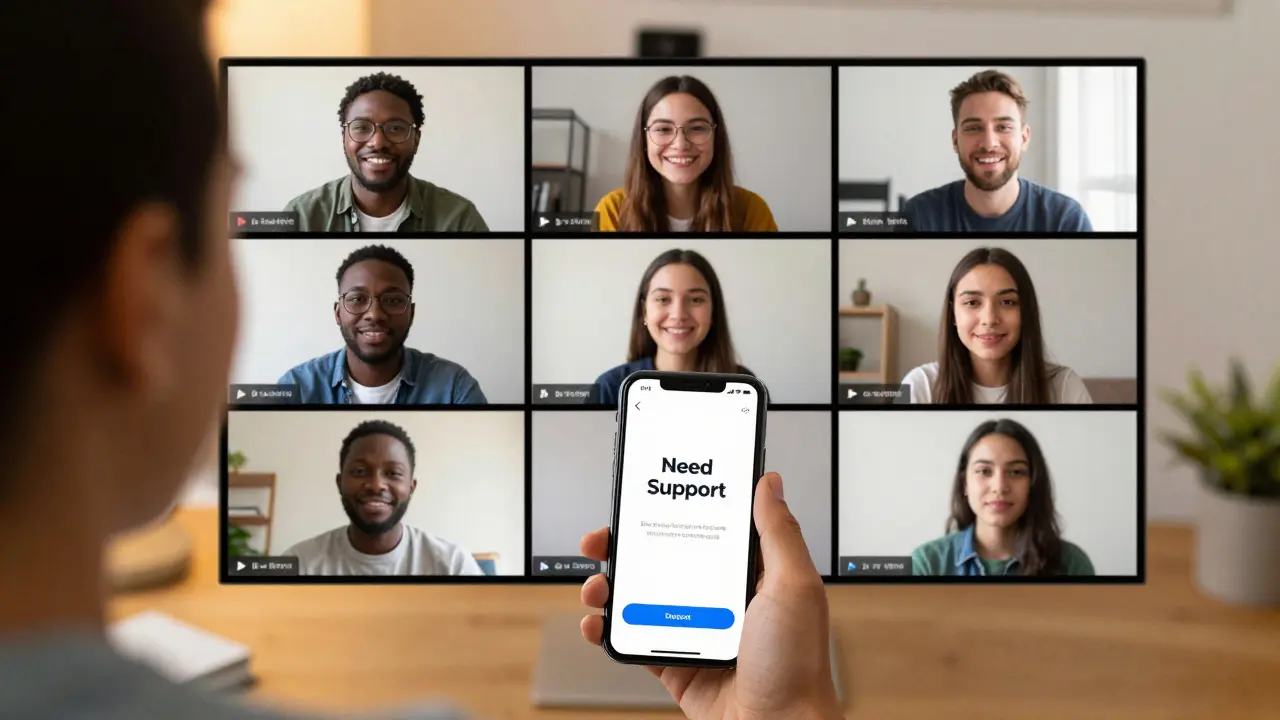
The key takeaway? Integration matters. Standalone apps fail because they exist outside the student’s daily workflow. Effective support is embedded directly into the learning management system (LMS). Imagine clicking a “Need Support” button inside your Canvas or Blackboard dashboard and instantly connecting to a counselor. No new logins, no separate apps-just seamless access.
What Students Can Do Right Now
While institutions work on systemic changes, you’re not powerless. Here are actionable steps to protect your mental health in online learning:
- Create physical boundaries: Designate a specific spot for studying. When you leave that space, you leave school behind. This simple ritual helps your brain switch off “work mode.”
- Schedule “unplugged” hours: Set strict times when you won’t check emails or forums. Protect these hours like you would a class session.
- Join one synchronous activity weekly: Whether it’s a study group, club meeting, or even a virtual coffee chat, force yourself into live interaction. Presence builds belonging.
- Track your energy, not just your time: Use a journal to note when you feel most drained. Are mornings harder? After lectures? Adjust your schedule around your natural rhythms, not vice versa.
- Reach out early: Don’t wait until you’re breaking point. Contact your institution’s wellness office as soon as you notice persistent anxiety or sadness. Early intervention prevents escalation.
Remember, asking for help isn’t weakness-it’s strategy. Just like you’d seek tutoring for a tough subject, seek support for emotional struggles. Both are part of academic success.
The Role of Educators in Fostering Wellbeing
Professors hold immense influence over student mental health, often without realizing it. Their tone, feedback style, and course design can either alleviate or amplify stress. So, what can educators do?
First, normalize vulnerability. Share your own challenges with technology or work-life balance. When instructors admit imperfection, it gives students permission to struggle too. Second, avoid last-minute changes. Sudden syllabus updates or surprise exams create unnecessary panic. Predictability breeds security.
Third, provide multiple pathways to engagement. Not every student thrives in discussion boards. Allow alternatives like audio submissions, written reflections, or small-group projects. Flexibility reduces performance anxiety.
Finally, train faculty in mental health first aid. Most professors aren’t therapists, but they can be bridges. Knowing how to recognize signs of crisis-and how to refer students appropriately-can save lives.
Looking Ahead: The Future of Digital Care
The landscape of virtual mental health resources are online-based psychological support services accessible via internet-connected devices is evolving rapidly. By 2027, we expect to see widespread adoption of VR therapy rooms, where students can meet counselors in immersive, calming environments. Imagine sitting on a virtual beach while talking to a therapist-technology used not to isolate, but to heal.
We’ll also see greater integration of biometric data. Wearables could monitor heart rate variability and sleep patterns, alerting counselors to potential burnout before the student even realizes it. Of course, privacy concerns remain paramount. Any such system must prioritize consent and data protection above all else.
But beyond tech, the biggest shift will be cultural. Universities must stop treating mental health as an add-on and start viewing it as foundational. Just as libraries and labs are essential infrastructure, so too are robust, accessible, and stigma-free support systems.
Your education shouldn’t cost you your peace of mind. With the right tools, strategies, and institutional commitment, online learning can be not just sustainable, but transformative. The question isn’t whether we can support students remotely-it’s whether we’re willing to invest in doing it well.
How can I find mental health support if my university doesn’t offer online counseling?
Start by checking national helplines in your country. Many governments fund free, confidential services available via phone or chat. Additionally, look into private teletherapy platforms that accept insurance or offer sliding-scale fees. Student organizations often maintain lists of vetted providers. Never hesitate to reach out to local community centers-they frequently host free workshops and support groups.
Is it normal to feel more anxious in online classes than in-person ones?
Yes, absolutely. The lack of social cues, combined with constant self-monitoring via webcam, increases cognitive load. Many students experience heightened anxiety due to uncertainty about expectations or fear of technical failures. Recognizing this as a common reaction-not a personal failing-is the first step toward managing it effectively.
What should I do if I’m having a mental health crisis while studying online?
Prioritize immediate safety. If you’re in danger, contact emergency services immediately. Otherwise, reach out to a trusted friend, family member, or crisis hotline. Pause your studies temporarily-no assignment is worth your wellbeing. Once stabilized, connect with your university’s disability or student affairs office to arrange accommodations like extended deadlines or reduced workload.
Can peer support replace professional therapy?
No, peer support cannot replace professional therapy. While peers provide valuable empathy and companionship, they lack clinical training to diagnose or treat mental health conditions. Think of peer networks as complementary-they help you feel less alone, while professionals address underlying issues. Use both together for best outcomes.
How can professors better support student mental health without becoming therapists?
Professors should focus on creating psychologically safe classrooms. This includes setting clear expectations, offering flexible deadlines when possible, and avoiding public shaming. Learn to recognize warning signs like withdrawal or erratic behavior, then gently encourage students to seek professional help. Refer them to campus resources rather than attempting to counsel them yourself.
Comments
Rob D
Look, I’ve been staring at screens since the dial-up era and I’m still here, so cut the crap about 'psychological earthquakes'. It’s called discipline. You want mental health support? Go outside, touch grass, and stop whining about a blinking cursor like it’s personally attacking your fragile ego. The world doesn’t owe you a therapist just because you can’t manage a Zoom call without having a meltdown.
Jess Ciro
They are watching us through the webcam even when its off dont you get it yet the blinking light is a lie they feed us this garbage about 'digital fatigue' to keep us docile while the algorithm harvests our cortisol levels for profit
Franklin Hooper
The grammatical structure of your conspiracy theory is as flawed as the premise itself one might suggest that if one wishes to be taken seriously one should perhaps employ proper punctuation and coherent syntax rather than rambling incoherently about surveillance states which have nothing to do with academic counseling protocols
saravana kumar
This article is utterly redundant and fails to address the core issue which is simply that students today lack basic resilience and work ethic instead of offering profound insights it merely reiterates obvious points about isolation which anyone with half a brain could deduce without needing a fifteen page guide on how to feel bad about being online
Tamil selvan
I understand your frustration, Mr. Kumar, but please consider that many individuals are genuinely struggling with unprecedented challenges; it is not merely a lack of resilience but a complex interplay of environmental factors that require compassionate understanding rather than harsh criticism; perhaps we can all extend a bit more empathy towards those who are finding their way through these difficult times.
Mark Brantner
Hey guys lets just vibe and remember that its all part of the journey right? Like totally no stress just chill and maybe drink some water or whatever im sure the universe has a plan for us all even if the wifi sucks sometimes lol
Kate Tran
i mean its nice to see people trying to help but honestly i think we need to respect each others boundaries more and not assume everyone wants to chat on zoom or share their feelings in a forum its okay to just exist quietly sometimes without having to perform wellness for an audience
amber hopman
I agree with Kate that boundaries are important but I also think we need to find a middle ground where we can support each other without feeling pressured to be constantly available or overly vulnerable in digital spaces.
Jim Sonntag
Why so serious everyone? Life is short laugh at the glitches and enjoy the ride sarcasm aside the point is valid we just need to adapt and not take ourselves too seriously
Deepak Sungra
Oh my god I am literally crying reading this because I feel so alone and misunderstood why does nobody care about my pain anymore I just want someone to hug me through the screen but instead I get this cold robotic advice about setting boundaries which makes me feel even more isolated and worthless