

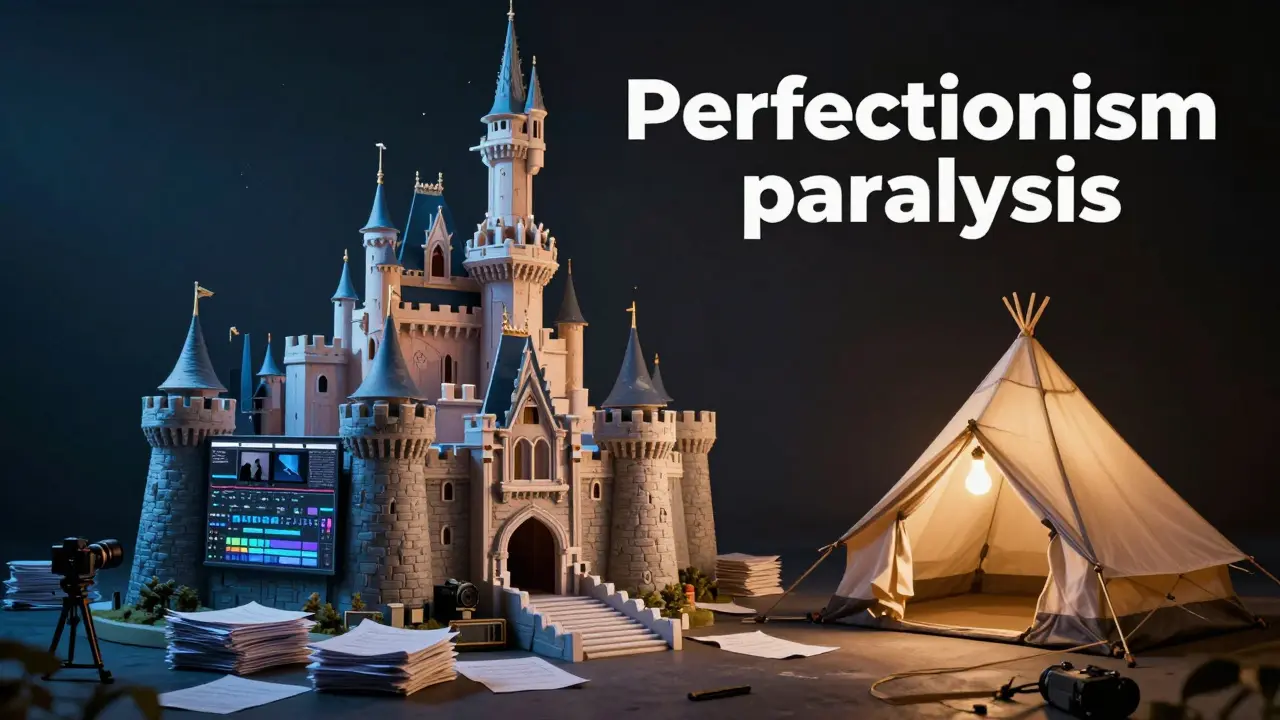
You spend months writing scripts, recording videos, and designing worksheets. You hit "publish" on your online course. Silence. Or worse, polite emails saying it’s "nice" but they don’t need it right now. You built a castle when you only needed a tent.
This is the classic trap of course creators: perfectionism paralysis. We treat our first version like a final exam rather than a conversation starter. The antidote isn't working harder; it's building less. Specifically, you need to build a Minimum Viable Course, often called an MVC. It is a stripped-down educational product designed to validate demand and gather feedback before full-scale production.
An MVC borrows from the startup world’s Minimum Viable Product (MVP) philosophy. Instead of spending six months creating a 20-module masterpiece, you create a two-week pilot that solves one specific problem for one specific person. This approach saves time, reduces financial risk, and ensures you’re actually teaching what people want to learn.
Why Your First Course Should Be Ugly
We have this cultural obsession with polished content. We think if we don’t use professional lighting or hire a voiceover artist, students will judge us. But here’s the truth: early adopters don’t care about polish. They care about transformation.
When you launch a fully produced course without testing assumptions, you face three major risks:
- Wasted Time: You might spend weeks recording modules that students skip because the pacing is wrong or the intro is too long.
- Wrong Problem: You solve a problem nobody has, while ignoring the painful issue keeping them up at night.
- High Financial Risk: If you invest in expensive software, hosting, and marketing before validating interest, a failed launch hurts your bank account and your confidence.
An MVC flips this script. By releasing a "ugly" but functional version, you prioritize learning over looking good. You test your core hypothesis: "Will people pay to learn X?" If yes, you expand. If no, you pivot with minimal loss.
The Anatomy of a Pilot Curriculum
A pilot curriculum isn't just a shorter course; it's a focused intervention. To build an effective MVC, you must ruthlessly cut scope. Here is how to structure it:
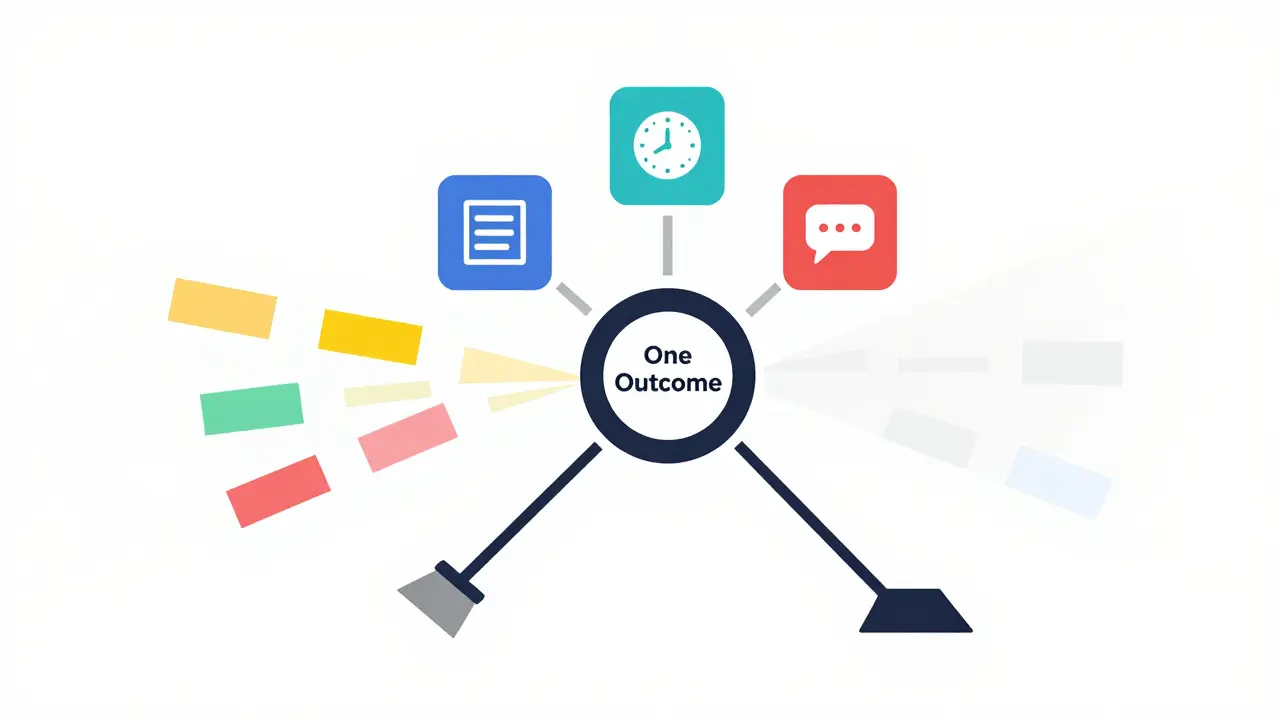
- Define One Outcome: What is the single biggest change a student experiences after taking your course? Not five outcomes. One. For example, not "Learn Digital Marketing," but "Create a Facebook Ad Campaign that gets clicks."
- Identify the Core Modules: Strip away all nice-to-have content. Keep only the steps required to achieve that one outcome. If a module doesn't directly contribute to the result, delete it.
- Choose Low-Friction Formats: Don't record high-production video unless necessary. Live Zoom calls, audio recordings, PDF guides, or even structured email sequences work perfectly for an MVC. The goal is speed, not cinematic quality.
- Set a Short Duration: Aim for 1-4 weeks. Long commitments scare off beta testers. A short sprint feels manageable and creates urgency.
Think of your MVC as a prototype. You wouldn't build a car engine out of titanium before checking if anyone wants to drive it. Similarly, don't build a 50-hour course before knowing if the topic resonates.
How to Validate Demand Before Building
Before you write a single lesson, you need proof that people want this. Validation prevents you from building in a vacuum. Here are practical ways to test interest:
| Method | Effort Level | Reliability | Best For |
|---|---|---|---|
| Pre-sell Landing Page | Low | High | Testing willingness to pay |
| Waitlist Sign-ups | Low | Medium | Gathering emails for launch |
| Direct Interviews | Medium | Very High | Understanding pain points deeply |
| Social Media Polls | Low | Low | Gauge general interest quickly |
The gold standard is pre-selling. Create a simple landing page describing the outcome of your course. Add a "Join Waitlist" or "Buy Now" button. Drive traffic via social media or email. If people click buy, you have validation. If they hesitate, ask why. Their objections will tell you exactly what to fix in your curriculum.
Don't be afraid to sell something you haven't built yet. As long as you communicate that this is a beta/pilot program and you offer a money-back guarantee, ethical pre-selling is a powerful tool. It aligns incentives: you get funding and feedback; they get early access and influence over the content.
Running the Pilot: Feedback Over Perfection
Once you have sign-ups, deliver the experience. Remember, you are selling a service during the pilot phase, not just a product. Be present. Engage. Answer questions personally.
Your primary job during the pilot is data collection. Use these tactics to gather actionable insights:
- Weekly Check-ins: Send a short survey each week asking, "What was most confusing?" and "What was most valuable?"
- Exit Interviews: After the course ends, interview 3-5 participants. Ask open-ended questions like, "Did you achieve the outcome?" and "What would you remove?"
- Observation: Watch where students struggle. Did everyone miss the same concept? That’s a sign your explanation needs reworking, not that the students are bad learners.
Pay attention to completion rates. If 80% of students drop out after Module 2, there’s a structural issue. Maybe the promise wasn’t clear, or the difficulty spike was too steep. This data is worth more than any guesswork.
From Pilot to Full Launch: Scaling Up
After the pilot, you’ll have two paths: iterate or abandon. If feedback is positive and students achieved results, it’s time to scale. Here’s how to transition from MVC to a full-fledged course:
- Incorporate Feedback: Rewrite lessons based on student confusion points. Clarify jargon. Add examples that worked well.
- Upgrade Production: Now that you know the content works, invest in better audio, editing, or platform features. Polish the parts that matter most to user experience.
- Add Bonuses: Include templates, cheat sheets, or community access to increase perceived value.
- Automate Delivery: Move from live sessions to pre-recorded content if scalability is the goal. Set up automated emails and access controls.
- Re-launch: Market the refined course to a broader audience. Use testimonials from your pilot participants as social proof.
If the pilot fails-meaning low engagement, poor outcomes, or negative feedback-don’t despair. You saved months of work. Pivot the topic, adjust the target audience, or try a different format. Failure at the MVC stage is cheap and educational.

Common Pitfalls to Avoid
Even experienced creators stumble when trying to build an MVC. Watch out for these traps:
- Scope Creep: Adding "just one more module" defeats the purpose. Stick to the minimum viable scope.
- Hiding the Beta Status: Be transparent. Tell students this is a pilot. It lowers expectations for polish and raises expectations for involvement.
- Ignoring No-Shows: In live pilots, some students won’t attend. Don’t take it personally. Follow up once, then move on. Focus energy on engaged participants.
- Over-Engineering Tech: Don’t spend days setting up complex LMS integrations. Use simple tools like Zoom, Google Docs, or basic email sequences. Complexity slows you down.
The goal of an MVC is speed and learning. Every hour spent tweaking fonts or logo placement is an hour not spent talking to customers. Prioritize substance over style.
Tools for Building Your MVC
You don’t need expensive software to run a pilot. Here are lightweight tools that work well:
- Communication: Slack, Discord, or WhatsApp groups for community interaction.
- Delivery: Zoom for live sessions, YouTube Unlisted for video hosting, or Google Drive for documents.
- Feedback: Typeform or Google Forms for surveys.
- Sales: Stripe Payment Links or PayPal buttons for simple transactions.
Keep your tech stack simple. The barrier to entry should be low for both you and your students. Once you validate the model, you can migrate to robust platforms like Teachable, Kajabi, or Thinkific.
How many students should I have for a pilot course?
Aim for 5-15 students. This size is small enough to give personal attention and gather detailed feedback, but large enough to identify patterns in behavior and learning outcomes. More than 20 students makes individual support difficult and dilutes the intimacy needed for deep insights.
Should I charge for my Minimum Viable Course?
Yes, always charge. Even a discounted price filters out tire-kickers and attracts serious buyers who are motivated to complete the course. Free courses often suffer from low completion rates and lack of commitment. Charging validates that people see real value in your solution.
How long should an MVC last?
Ideally 1-4 weeks. Short durations reduce dropout rates and make it easier for busy professionals to commit. A 2-week sprint is often sweet spot: long enough to teach meaningful skills, short enough to maintain momentum.
What if my pilot course fails?
Analyze the feedback. Did students not understand the material? Was the outcome unclear? Did they lose interest? Use these insights to pivot. Change the topic, adjust the audience, or refine the delivery method. Failing fast is better than failing late after investing heavily.
Can I turn an MVC into a membership site?
Yes, but start with a one-time course first. An MVC tests specific skill acquisition. Once you’ve validated that people love your teaching style and content, you can expand into recurring memberships by adding ongoing support, new monthly topics, and community features.