


Imagine you launch a $199 online course. In New York, it sells like hotcakes. In Mumbai, crickets. Did your content fail? Probably not. Your price tag likely ignored the economic reality of where your students live. Setting a single global price for digital products is one of the most common mistakes creators make in 2026. It leaves money on the table in wealthy regions and locks out eager learners in emerging economies.
Online course pricing is the strategic process of determining the monetary value assigned to digital educational content based on market demand, competitor analysis, and consumer purchasing power. Unlike physical goods, digital courses have near-zero marginal costs, meaning every additional sale is almost pure profit. This unique economic structure allows for flexible pricing models that can adapt to local realities without eating into your margins.
The Myth of One-Size-Fits-All Pricing
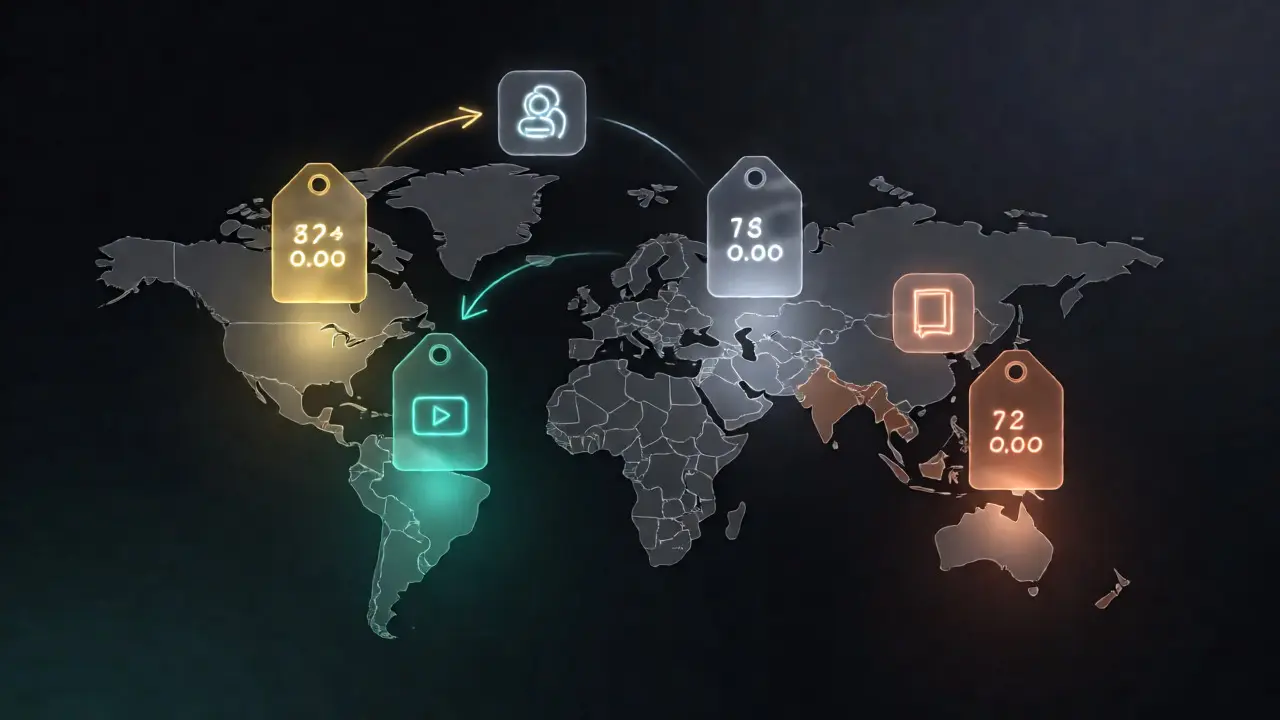
Why does a Netflix subscription cost significantly less in Turkey than in the US? It’s not because Turkish customers are worth less as humans. It’s because their average disposable income differs. When you apply a flat rate globally, you create two problems: underpricing in high-income areas and overpricing in low-income ones. You’re essentially forcing a Brazilian student to pay the same amount for a course that might represent 5% of their monthly income, while an American pays 0.5%.
This disparity hurts your brand reputation and limits your reach. People don’t complain about expensive things they can afford; they resent things they feel are unfairly priced relative to their local standards. By ignoring regional economic data, you’re leaving massive segments of the global learning community out of the conversation.
Leveraging Purchasing Power Parity (PPP)
The most effective tool for global pricing is Purchasing Power Parity (PPP). It is an economic theory that compares different countries' currencies through a "basket of goods" approach to determine the real value of money in each location. Simply put, PPP adjusts prices so that the course represents roughly the same percentage of a user's income or cost of living across borders.
How do you actually calculate this? You don’t need a PhD in economics. Platforms like World Bank data provide PPP conversion factors. If the US index is 1.0 and India’s is 0.4, you might discount your course by 60% for Indian buyers. This isn’t charity; it’s market expansion. A lower entry price converts more users, who then become brand advocates, buy advanced tiers, or join communities.
| Region | Standard USD Price | PPP Adjustment Factor | Adjusted Local Price |
|---|---|---|---|
| United States | $199 | 1.00 | $199 |
| United Kingdom | $199 | 0.95 | $189 |
| Brazil | $199 | 0.35 | $70 |
| India | $199 | 0.25 | $50 |
Tiered Pricing Models for Global Reach
Once you understand PPP, you can build a tiered system. Instead of just lowering the price, change what the customer gets. This protects the perceived value of your premium offering in wealthy markets while providing access elsewhere. Consider three distinct tiers:
- Global Premium: Full access, live coaching, and certificates. Targeted at North America, Western Europe, and Australia. High price point ($200-$500).
- Regional Standard: Video content and community access, no live calls. Targeted at Eastern Europe, parts of Asia, and Latin America. Mid-range price ($50-$100).
- Access Only: Self-paced videos only, limited support. Targeted at emerging markets with lower PPP indices. Low price ($10-$30).
This structure prevents cannibalization. A student in London won’t buy the "Access Only" tier if they want the prestige and interaction of the "Global Premium" package. Meanwhile, a student in Jakarta gets affordable education without devaluing your brand in London.
Currency Display and Psychological Pricing
Technical execution matters as much as strategy. If your checkout page shows prices in USD for a user in Germany, you add friction. They have to convert the currency mentally, which creates hesitation. Always display prices in the local currency automatically. Use IP geolocation to detect the visitor’s country and serve the appropriate currency symbol and amount.
Also, consider psychological pricing anchors. In some cultures, ending a price in .99 signals a bargain. In others, round numbers signal quality and simplicity. For example, luxury consumers in Japan often prefer clean, round figures like ¥20,000 over ¥19,999. Test these nuances. A/B testing your price points in specific regions can reveal surprising preferences. What works in Texas might flop in Tokyo.
Payment Infrastructure Barriers
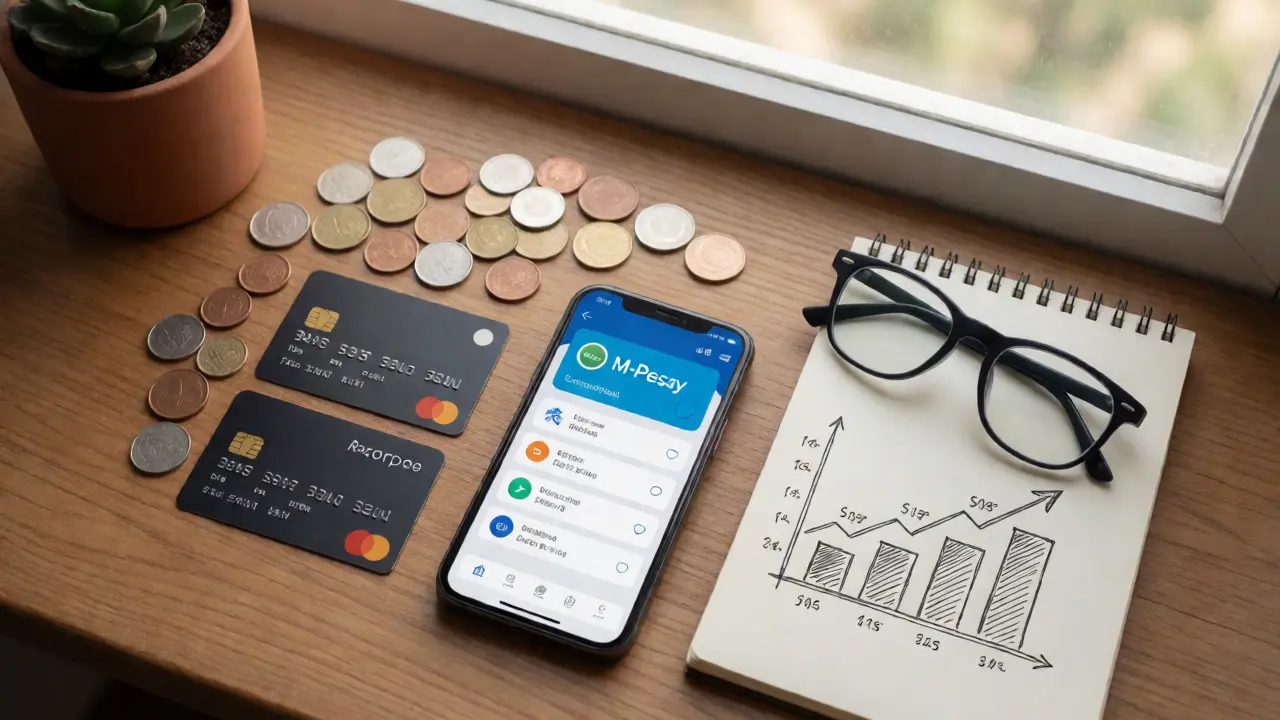
You can set the perfect price, but if users can’t pay, you lose the sale. Credit cards dominate in the US and UK. But try selling a course in Nigeria or Vietnam using only Visa/Mastercard. Many potential students there rely on local bank transfers, mobile money wallets like M-Pesa in Kenya, or cash-on-delivery options for digital goods via local agents.
Integrating payment gateways that support local methods is crucial. Stripe and PayPal are great, but they aren’t universal. Look into providers like Paystack for Africa or Razorpay for India. Offering installment plans also helps. In markets where credit card debt is culturally avoided, breaking a $200 course into four $50 monthly payments makes the purchase feasible for middle-class families.
Dynamic Pricing and Time-Sensitive Offers
Static pricing is safe, but dynamic pricing captures more revenue. You can adjust prices based on demand spikes, seasonality, or even the time since launch. Early bird discounts work well globally, but the duration should vary. In fast-moving tech hubs, urgency drives quick decisions. In slower-paced markets, people may need more time to discuss purchases with family or save up.
Consider geo-targeted flash sales. Run a 48-hour discount specifically for users in Southeast Asia during a holiday period. This creates a sense of exclusivity and relevance. Just be careful not to confuse existing customers. Clearly state that the offer is region-specific to avoid backlash from full-price buyers in other zones.
Measuring Success Beyond Revenue
Don’t just look at total sales dollars. Track metrics like Customer Acquisition Cost (CAC) per region and Lifetime Value (LTV). A cheaper course in Brazil might have a higher volume but lower LTV initially. However, if those students upgrade to masterclasses later, their long-term value increases. Analyze conversion rates by country. If traffic is high but conversions are low, your price might still be too high, or your payment methods insufficient.
Gather feedback explicitly. Ask buyers why they purchased or didn’t. Was it the price? The curriculum? The lack of local language support? Data tells you what happened; surveys tell you why. Use this intelligence to tweak your strategy quarterly. Markets change. Currency fluctuations happen. Stay agile.
Is it fair to charge different prices for the same course in different countries?
Yes, it is widely considered fair and standard practice in global business. This approach, known as geographic price discrimination, acknowledges differences in purchasing power. It ensures accessibility for learners in lower-income regions while capturing maximum value from those in higher-income areas. Most major digital services, including software and streaming platforms, use this model.
How do I prevent students from buying the cheaper version and sharing it with friends in expensive countries?
Use technology to enforce restrictions. Implement IP-based access controls so accounts registered with a discounted price can only be accessed from the corresponding region. Additionally, limit features in lower-tier plans (e.g., no downloadable resources or no certificate) to reduce the incentive for arbitrage. Clear terms of service regarding account sharing also help deter casual piracy.
Should I translate my course content for different markets?
Translation significantly boosts conversion rates in non-English speaking markets. While English is dominant in tech and business, local-language content builds trust and comprehension. Start with subtitles for key videos before investing in full dubbing or localized text. Test which languages yield the highest ROI before expanding further.
What is the best way to test new pricing strategies?
Run controlled A/B tests. Split your audience in a specific region into two groups: one sees the old price, the other sees the new one. Measure conversion rates and revenue per visitor. Ensure your sample size is large enough to be statistically significant. Avoid changing multiple variables (like price and landing page design) simultaneously, as this confuses results.
Do taxes affect my global course pricing?
Absolutely. VAT, GST, and sales tax laws vary by jurisdiction. In the EU, you must charge VAT based on the buyer's location. Failing to handle this correctly can lead to penalties. Use automated tax calculation tools integrated into your checkout platform to ensure compliance and accurate final prices for customers.
Comments
Savara Gunn
this is such a necessary reminder for creators who are just starting out. i've seen so many friends burn out because they priced their courses too high for their initial audience without considering the local economic context. it's not about devaluing your work but about meeting people where they are financially.
Anthony Miller
Finally someone says what needs to be said. Most of these "gurus" are lazy and refuse to do the actual work of analyzing market data. They want you to believe that a $199 price tag is some magical universal constant when in reality it's arbitrary nonsense. If you aren't adjusting for PPP you are actively excluding billions of potential customers and leaving money on the table which is frankly incompetent business practice.
michelle veluz
Wait... wait... hold on!!! Are we really doing this??? Because I smell something fishy here!! You know why Netflix does this?? It’s not just economics!! It’s control!!! They want us to think our money isn’t worth the same as theirs!!! It’s psychological manipulation on a global scale!!! And don’t even get me started on the IP tracking stuff!! Who knows where that data goes?!?! This whole system feels rigged against the little guy!!! We need to wake up before it’s too late!!!
Jacob Baby Official
This article is dangerously misleading. By advocating for tiered pricing based on geography, you are essentially creating a caste system for knowledge. Why should a student in Mumbai have less access to live coaching than one in New York? It’s elitist. Furthermore, the argument about cannibalization is weak; if the content is good, people will pay full price regardless of location. You’re just overcomplicating simple supply and demand with fancy economic terms to justify lower margins.
john randall
pretty solid breakdown. i think the payment infrastructure part is underrated though. having the right gateway can make or break conversion rates in emerging markets. nice read.
Jeff Falcon
I completely agree with the point about currency display friction, honestly it is such a small detail but it has such a huge impact on user experience because when people see a foreign currency symbol they immediately feel like outsiders and hesitate to click buy, whereas seeing their own local currency makes them feel welcomed and understood, which is crucial for building trust in an online environment where you can't shake hands with the seller.
Alyson Karson
YES!! THIS IS THE WAY TO GO!! Stop being greedy and start thinking about accessibility!! My buddy in Brazil couldnt afford my last course at $200 but wouldve paid $50 in a heartbeat!! We need to smash those barriers down and let everyone learn!! Dont gatekeep knowledge behind credit card limits!!
Chris Neal
The PPP calculation mentioned is a bit simplistic. Real-world implementation requires dynamic adjustment algorithms, not just static factors from the World Bank. Also, ignoring exchange rate volatility can wipe out margins quickly if you aren't hedging properly.
Vishnu Vardhan Reddy M S
Oh wow, thanks for explaining how the rest of the world works to us! Truly enlightening. It’s almost like countries have different costs of living, who knew? Anyway, great advice for us 'emerging' folks trying to buy courses from the West without selling a kidney. The tiered model is smart, keeps your brand shiny for the rich while letting us poor peasants learn too.
Kyle Ware
great insights. one thing to add is that automated tax compliance tools are non-negotiable now. handling VAT/GST manually across regions is a nightmare and leads to errors that hurt credibility. also consider offering local payment methods like UPI in India or Pix in Brazil to reduce friction significantly.
Onyinyechi Nwosu
this hits home for me. in Nigeria most people dont have international cards. mobile money is king. if you only take Visa you lose half your market. simple as that.
Jacob Baby Official
@Vishnu Vardhan Reddy M S Your sarcasm is noted, but it misses the point entirely. Tiering isn't about shaming anyone; it's about maximizing reach. If you can't understand the difference between value-based pricing and charity, maybe stick to buying things rather than commenting on strategy.