

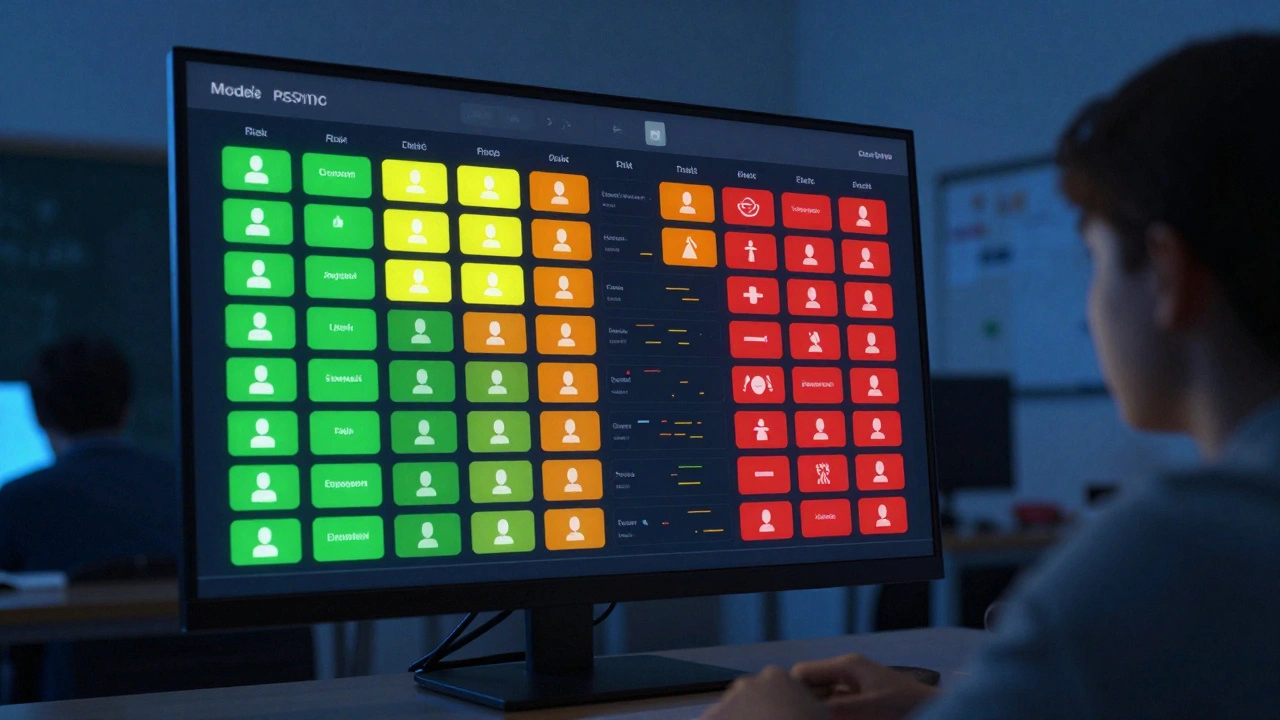
Imagine a classroom where teachers know before a student gives up-not because they saw them staring out the window, but because the system flagged a drop in login frequency, a 40% drop in assignment submissions, and three straight days of no forum participation. This isn’t science fiction. It’s real-time learning analytics, and it’s already helping schools in New Zealand, the U.S., and Australia cut dropout rates by up to 30% in pilot programs.
How Real-Time Monitoring Works
Real-time monitoring of learner activity tracks digital behaviors across learning platforms like Moodle, Canvas, Google Classroom, and Blackboard. It doesn’t just log when a student logs in. It watches how they engage: how long they spend on a video, whether they rewatch sections, if they skip quizzes, if they search for help outside the course, or if they suddenly stop participating altogether.
These systems use simple data points-clicks, time spent, submission timestamps, forum replies-and combine them into behavioral patterns. For example, a student who used to submit assignments 2 days early but now submits them 12 hours late, and hasn’t opened the course in 72 hours, triggers a low-risk alert. If that same student also starts messaging peers with phrases like "I can’t do this" or "Why am I even here?", the system bumps the alert to medium or high risk.
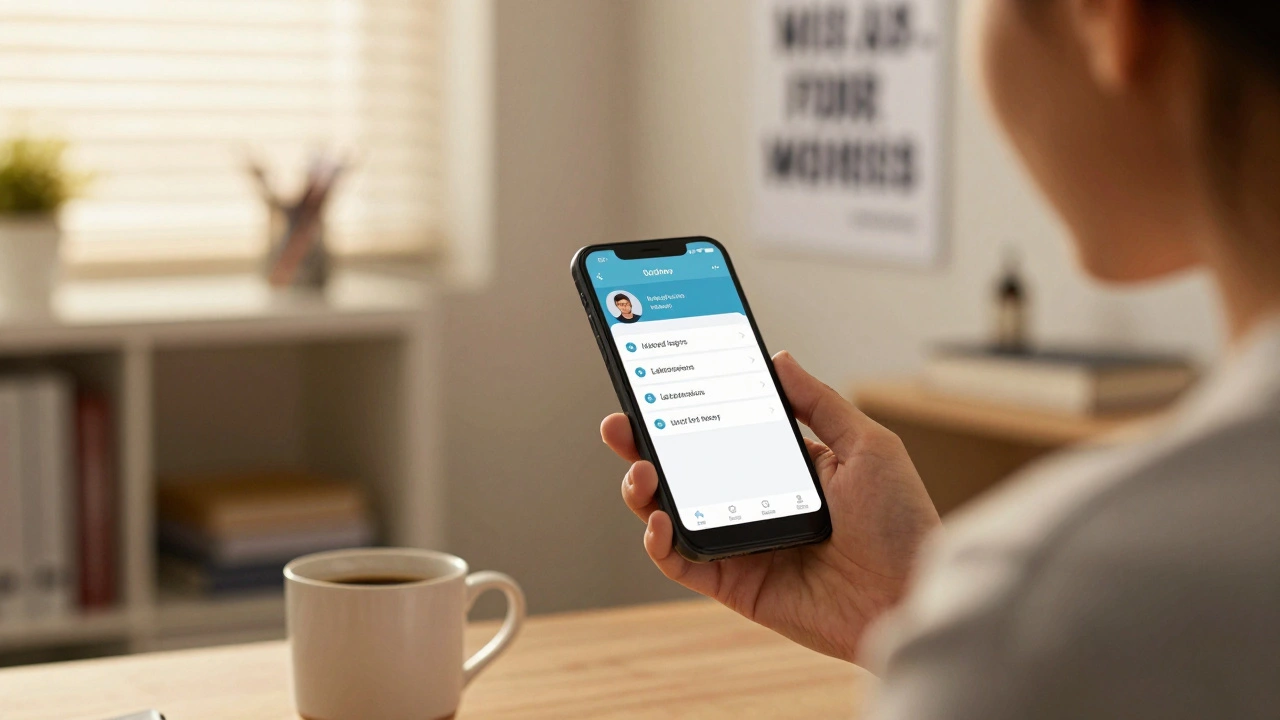
Unlike old-school reporting that showed trends at the end of the term, today’s tools update every 15 minutes. Instructors get notifications on their phones or dashboards. No waiting for midterm grades. No hoping a student will reach out. The system speaks up before the student gives up.
What Triggers a Risk Alert?
Not every late submission means trouble. But certain combinations do. Here are the most reliable indicators schools have found:
- Declining engagement: A 30%+ drop in logins over 5 days, or skipping more than 2 consecutive modules.
- Submission delays: Assignments consistently turned in after the deadline, especially if they were previously on time.
- Passive participation: Watching videos but never taking quizzes, reading forums but never posting.
- Search behavior: Repeated searches for "how to pass this class" or "is this course worth it" on external sites.
- Social withdrawal: Stopping replies to peer messages or group discussions after being active before.
These aren’t guesses. A 2024 study of 12,000 university students across three countries found that students who showed at least three of these patterns were 5.7 times more likely to withdraw from the course within the next two weeks.
Alerts are usually color-coded: green (normal), yellow (monitor), orange (intervene soon), red (urgent). Some systems even suggest actions: "Send a personalized message," "Offer tutoring referral," or "Check in with academic advisor."
Why This Beats Traditional Grading
Grades tell you what happened. Real-time monitoring tells you what’s happening-and what’s about to happen.
Think about it: a student gets a C on their midterm. That’s a problem. But if they’ve been logging in once a week, skipping all discussion posts, and haven’t submitted anything in 10 days, they’re already gone. The grade just confirms it.
Real-time systems catch the quiet dropouts-the ones who never ask for help, never complain, just slowly vanish. These are often the students most at risk: first-gen learners, working parents, those with anxiety, or students from under-resourced backgrounds who don’t know how to ask for support.
One community college in Auckland started using real-time alerts in 2023. In the first semester, advisors reached out to 87 students flagged as high risk. Of those, 62 re-engaged after a simple email or 10-minute call. That’s a 71% retention rate for students who were on the verge of quitting.
Privacy and Ethical Concerns
Monitoring student behavior sounds invasive. And it can be-if it’s not done right.
Successful programs follow three rules:
- Transparency: Students know what’s being tracked and why. No secret dashboards.
- Opt-out options: Students can choose not to be monitored (though they usually don’t-when they understand it’s for support, not punishment).
- Human oversight: Alerts go to trained staff, not automated bots. No automatic suspensions or penalties.
At the University of Waikato, students were surveyed after the system launched. 89% said they felt more supported, not watched. "I didn’t know anyone noticed I was struggling," said one student. "Then I got an email from my advisor saying, ‘I saw you haven’t logged in. Is everything okay?’ That made me feel seen."
There’s no data collection of location, camera use, or keystroke patterns. Just platform interactions-what’s already recorded for grading and attendance.
What Schools Need to Get Started
You don’t need a $500,000 AI system to start. Most LMS platforms already collect the data you need. Here’s how to begin:
- Identify your key indicators: Pick 3-5 behaviors that reliably predict disengagement in your context. Start simple.
- Set thresholds: Define what "low," "medium," and "high" risk look like. Example: 3 missed assignments + 5 days inactive = orange alert.
- Assign responders: Who gets the alert? An advisor? A tutor? A peer mentor? Make sure someone is responsible.
- Train your team: Alerts are useless if staff don’t know how to respond. Role-play scenarios. Practice empathetic messaging.
- Test and adjust: Review the alerts after 6 weeks. Are you flagging too many? Too few? Are the interventions working?
Many schools start with a single course or program. A first-year math class. A writing foundation course. Once it works there, scale it.
Real Results, Not Just Metrics
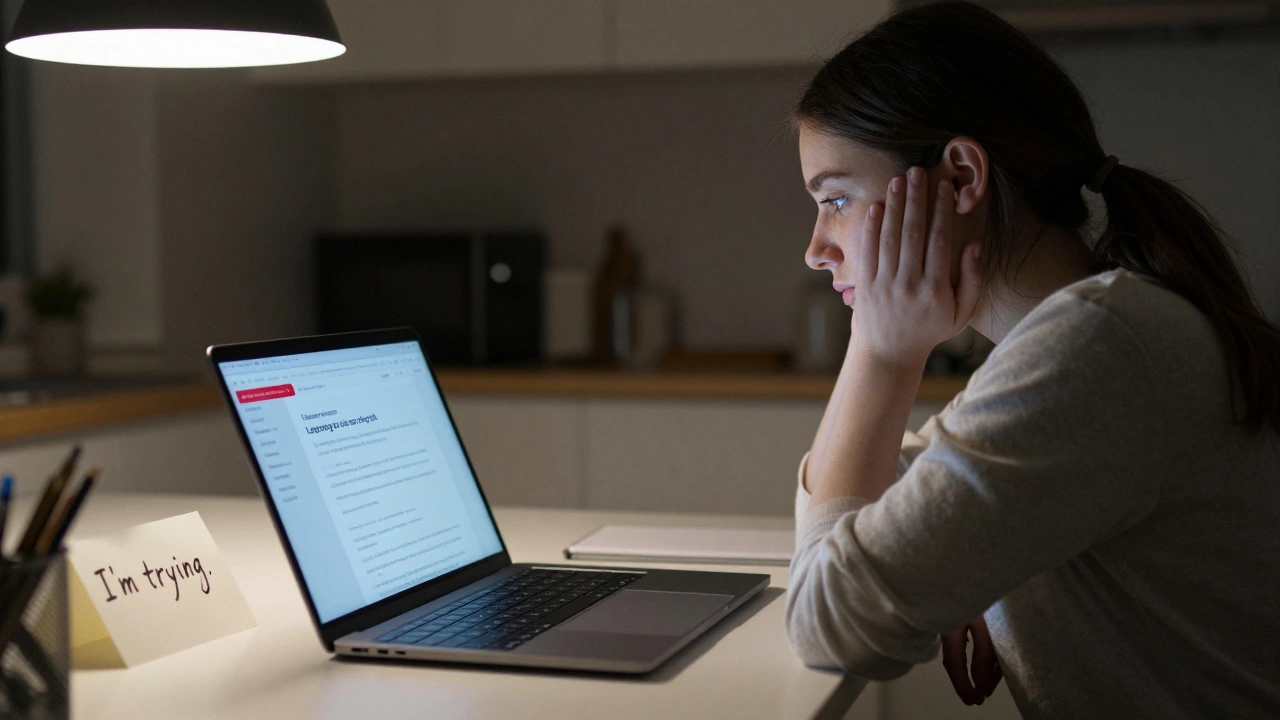
At a regional college in Christchurch, a student named Maya was flagged as high risk. She hadn’t logged in in 11 days. Her last submission was 4 days late. Her forum posts had stopped. The system sent an alert to her academic advisor.
The advisor didn’t send a generic reminder. They called. "Hey Maya, I noticed you’ve been quiet. I know this term’s been tough. Is there something going on?"
Maya broke down. Her mom had been hospitalized. She was working nights. She thought she was failing and didn’t want to admit it.
The advisor connected her with counseling, adjusted deadlines, and paired her with a peer mentor. Maya finished the course with a B.
That’s the power of real-time monitoring-not the algorithm, but the human moment it enables.
What’s Next?
The next wave of learning analytics will combine real-time monitoring with predictive nudges. Imagine a student starts falling behind. Instead of waiting for a human to respond, the system automatically sends a short video from a former student who struggled and came through: "I thought I was done too. Here’s what helped me."
Or a quiz fails to load. The system notices 15 students couldn’t open it and automatically extends the deadline and notifies the instructor.
This isn’t about surveillance. It’s about connection. Technology doesn’t save students. People do. But real-time monitoring gives people the chance to show up before it’s too late.
Comments
Jeff Napier
So now we're tracking every click like some corporate spyware? Next they'll be measuring pupil dilation to see if you're 'engaged' enough. This isn't education. It's behavioral conditioning disguised as care. They don't want students to learn. They want students to perform. And if you don't perform? The algorithm knows. And it judges.
Sibusiso Ernest Masilela
Oh please. This is the kind of performative virtue signaling that turns education into a HR compliance exercise. You think a 15-minute call from an advisor fixes systemic neglect? The real problem is underfunded institutions and overworked staff. This 'solution' is just a shiny dashboard to make administrators feel like they're doing something while the system burns.
Daniel Kennedy
I've seen this work firsthand. I teach at a community college and we rolled out a basic version of this last year. One student hadn't logged in in 9 days. We reached out. Turns out she was caring for her sick dad and thought she was too far behind to come back. One email. One call. She's now on track to graduate. This isn't surveillance. It's human connection enabled by tech. The data doesn't save them. We do. The tool just gives us a shot.
Taylor Hayes
I really appreciate how you emphasized the human element at the end. Too many tech solutions forget that. I've worked with students who vanish because they're ashamed, overwhelmed, or just don't know how to ask. This system doesn't replace empathy-it amplifies it. The key is training staff to respond with care, not checkboxes. And yeah, transparency matters. If students feel watched, it backfires. If they feel seen? That’s magic.
Sanjay Mittal
In India, many students use shared devices or public libraries. Tracking 'login frequency' is meaningless here. Also, some students have unstable internet. This system assumes equal access. It's a Western model that ignores global realities. We need context-aware tools, not one-size-fits-all dashboards.
Mike Zhong
You call this monitoring. I call it the death of autonomy. Education used to be about cultivating critical thought. Now it’s about optimizing compliance. You turn students into data points, then wonder why they feel alienated. The real crisis isn’t dropout rates-it’s the erosion of trust. And you’re feeding it with algorithms that mistake behavior for character.
Jamie Roman
I’ve been on both sides of this. I was the student who vanished for three weeks because I was depressed and thought no one cared. Then I got a simple email that just said, 'Hey, we miss you. No pressure. Just wanted you to know we’re here.' That was it. No guilt. No threat. Just warmth. Now I’m a TA. I use the same low-tech version of this-checking in on quiet students. Not because the system told me to. Because I remember what it felt like to be invisible. This isn’t about tech. It’s about remembering that behind every login is a person who might be holding their breath.
Salomi Cummingham
I just cried reading Maya’s story. Not because it’s impressive. Because it’s so rare. So, so rare. In my last job, I saw students fall through the cracks every semester. We had grades, attendance logs, even counseling referrals-but no one was looking for the quiet ones. The ones who didn’t scream for help because they didn’t believe anyone would hear them. This isn’t about data. It’s about creating a culture where someone notices the silence. And then, finally, says: 'I see you.' That’s not surveillance. That’s love with a spreadsheet.
Johnathan Rhyne
You say 'no keystroke logging.' But let’s be real-what’s stopping the next vendor from adding it? And who’s auditing these systems? Who’s liable when a false positive ruins a student’s GPA or scholarship? You’re selling a fairy tale wrapped in a LMS plugin. And don’t get me started on 'opt-out' options-how many students even know they exist? Or feel safe using them? This isn’t innovation. It’s corporate creep with a heartwarming story attached. The real fix? Smaller classes. More counselors. Less tech. But that costs money. And this? This just costs data.