


Imagine logging into your online course and seeing a progress bar that’s stuck at 40% for three weeks. You’ve watched the videos, but you haven’t done the quizzes. Why? Because nothing happens when you click “Submit.” There’s no feedback, no celebration, and certainly no sense of moving forward. This is the silent killer of completion rates in massive open online courses (MOOCs) and corporate training platforms alike.
The problem isn’t that learners don’t want to learn. It’s that traditional digital education often feels like a void. You put effort in, and you get… a grade. Maybe. Later. To fix this, we need reward systems that do more than just hand out points. We need mechanisms that tap into human psychology to create momentum, sustain interest, and make the grind of studying feel like progress.
The Psychology Behind Digital Rewards
Before building any system, you have to understand what actually drives behavior. Most people assume that money or grades are the ultimate motivators. Research in behavioral economics suggests otherwise. When tasks become complex or repetitive, extrinsic rewards (like cash bonuses) can actually kill intrinsic motivation. This is known as the "overjustification effect." If you only care about the badge, you stop caring about the skill.
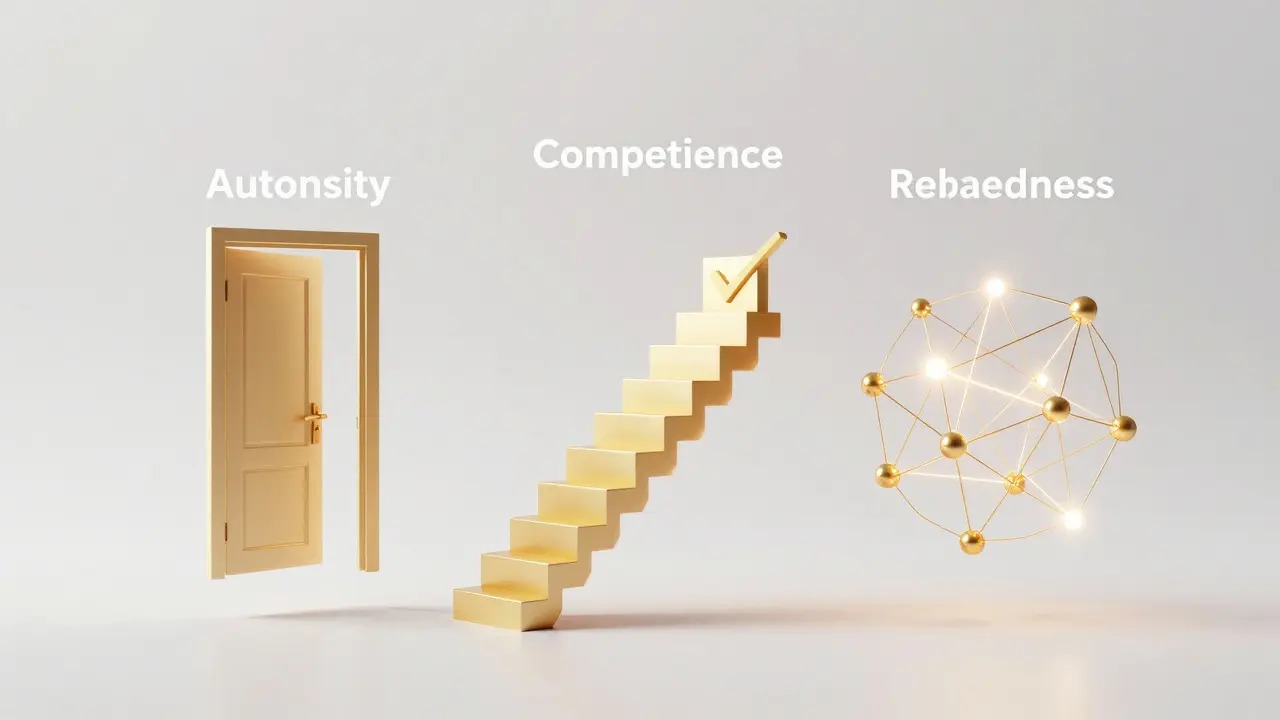
Effective reward systems rely on three core psychological pillars:
- Autonomy: The learner feels they have a choice in how they engage with the material.
- Competence: The learner sees clear evidence that they are getting better at something.
- Relatedness: The learner feels connected to a community or a shared goal.
A well-designed point system doesn't just say "Good job." It says, "You mastered this concept, and here is proof." It shifts the focus from external validation to internal mastery. For example, instead of giving 10 points for finishing a module, give 5 points for completing it and an additional 5 points for answering a reflection question correctly. This ties the reward directly to competence.
Types of Rewards That Work at Scale
When you’re teaching ten students, you can give personalized feedback. When you’re teaching ten thousand, you need automated systems. However, automation doesn’t mean impersonal. Here are the most effective types of rewards used in large-scale online learning environments.
| Reward Type | Description | Best Use Case | Potential Pitfall |
|---|---|---|---|
| Badges & Certificates | Digital symbols representing achievement of specific milestones or skills. | Skill verification and portfolio building. | Becoming cluttered; losing value if too easy to earn. |
| Points & Leaderboards | Numerical scores displayed publicly or privately to rank performance. | Competitive subjects or short-term sprints. | Demotivating lower-performing users; encouraging cheating. |
| Progress Bars | Visual indicators showing how close a user is to completing a task or course. | Long-form courses requiring sustained effort. | Frustration if the bar moves too slowly or seems unattainable. |
| Unlockable Content | Advanced modules, bonus materials, or exclusive features released after meeting criteria. | Curiosity-driven learning paths. | High drop-off if early gates are too difficult. |
Notice that none of these are monetary. They are social or cognitive. Badges satisfy our desire for status and recognition. Progress bars satisfy our need for closure (the Zeigarnik Effect). Unlockable content taps into curiosity. Using a mix of these creates a balanced ecosystem where different personality types find their hook.
Designing for Intrinsic Motivation
The biggest mistake in gamification strategies is focusing solely on the "carrot"-the reward itself. The real magic happens in the journey. Consider the difference between a video game and a spreadsheet. Both involve data entry. One is fun; the other is tedious. Why? Because the game provides immediate, meaningful feedback.
To design for intrinsic motivation, follow these steps:
- Make Goals Clear and Attainable: Break large courses into micro-learning units. A "Complete Chapter 1" goal is overwhelming. "Watch 5-minute video" is not.
- Provide Immediate Feedback: Don’t wait until the end of the week to tell a student they failed a quiz. Give instant feedback on why an answer was wrong. This turns failure into a learning moment, not a punishment.
- Create Narrative Context: Frame the learning within a story. Instead of "Learn Python Basics," try "Build Your First Bot." The narrative gives purpose to the actions.
- Allow for Mastery Paths: Not everyone learns at the same pace. Allow advanced learners to skip basic quizzes if they demonstrate knowledge through a challenge. This respects their autonomy.
For instance, Duolingo doesn’t just show you a green checkmark. It shows you a streak counter. It reminds you that you’re part of a daily habit. It uses gentle pressure (losing your streak) rather than harsh penalties. This is intrinsic motivation engineered through design.
Avoiding Common Pitfalls in Reward Design
Even well-intentioned reward systems can backfire. Here are the most common traps to avoid when scaling your platform.
The Pointification Trap: Simply adding points to existing activities without changing the underlying experience rarely works. If the content is boring, points won’t save it. Points should highlight value, not mask poor design.
Leaderboard Burnout: Public leaderboards are great for top performers but devastating for those in the middle or bottom. After two weeks, most users stop trying because they know they can’t catch up. Solution: Use relative leaderboards (showing only friends or peers) or reset them frequently (daily/weekly) so everyone has a fresh start.
Reward Satiation: If a badge is given to everyone who logs in once, it becomes worthless. Scarcity creates value. Ensure that high-tier rewards require genuine effort or unique achievements. This maintains the prestige of the reward system.
Ignoring Social Dynamics: Humans are social creatures. Isolated reward systems miss half the picture. Incorporate peer-to-peer recognition. Allow students to award "Helpful Comment" badges to each other. This builds community and reduces the burden on instructors.
Implementing Technical Infrastructure
From a technical standpoint, implementing these systems requires robust tracking and analytics. You need to capture events such as login frequency, time spent on page, quiz attempts, and forum posts. These data points feed into the reward engine.
Most modern Learning Management Systems (LMS) support xAPI (Experience API) or Tin Can API standards. These allow you to track detailed interactions beyond simple completions. For example, xAPI can record that a user "watched video X for 3 minutes" or "submitted draft Y for review." This granularity enables sophisticated reward rules.
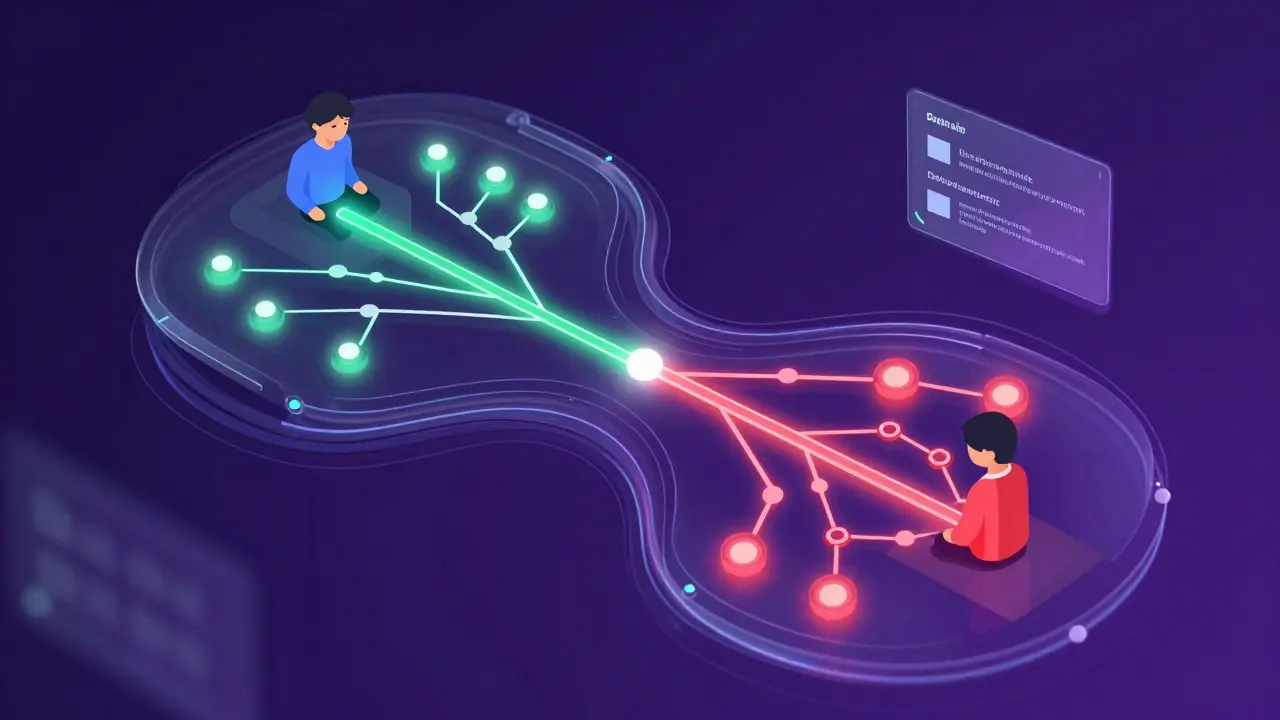
When setting up your backend, consider using a rule-based engine. Instead of hardcoding rewards, define conditions like:
- If
quiz_score > 80%ANDtime_spent < 10 mins, then award "Efficiency Expert" badge. - If
forum_posts > 5in one week, then unlock "Community Contributor" title.
Measuring Success Beyond Completion Rates
How do you know if your reward system is working? Don’t just look at completion rates. Look at engagement depth and retention over time.
Key metrics to monitor include:
- Daily Active Users (DAU): Are learners returning regularly?
- Time-on-Task: Are they spending appropriate time on challenging concepts?
- Drop-off Points: Where exactly do users quit? Is it before a difficult quiz or after a boring lecture?
- Peer Interaction Rate: Are rewards encouraging collaboration or isolation?
If you see a spike in activity right before a reward deadline followed by a crash, you might be creating "gaming the system" behavior rather than genuine learning. Adjust the timing or nature of the rewards to smooth out these peaks and valleys.
Future Trends in Educational Gamification
As artificial intelligence matures, reward systems will become increasingly personalized. Imagine an AI tutor that adjusts difficulty and rewards based on a student’s current emotional state and learning style. If a student is frustrated, the AI might offer smaller, more frequent wins to rebuild confidence. If a student is bored, it might introduce a competitive challenge.
We are also seeing the rise of blockchain-based credentials. Unlike traditional certificates, these are verifiable, portable, and owned by the learner. This adds a layer of real-world value to digital achievements, bridging the gap between online learning and professional opportunity.
Ultimately, the goal of any reward system is to make the reward unnecessary. The best outcome is a learner who continues studying long after the badges stop appearing, driven by the sheer joy of understanding new things. That is the true power of well-designed motivation.
What is the difference between gamification and game-based learning?
Gamification applies game elements (points, badges, leaderboards) to non-game contexts like courses. Game-based learning uses actual games (simulations, role-playing games) as the primary vehicle for instruction. Gamification enhances existing content; game-based learning replaces it with interactive experiences.
Do leaderboards always demotivate students?
Not always, but they carry significant risk. Public global leaderboards often demotivate average and low performers. To mitigate this, use segmented leaderboards (e.g., "Top Newcomers") or private progress trackers. Focus on self-improvement rather than social comparison.
How can I implement reward systems without a large budget?
Start with low-cost digital solutions. Use built-in LMS features for progress bars and certificates. Create custom badges using free graphic tools. Leverage peer-to-peer recognition forums. The key is consistency and clarity, not expensive technology.
What is the Zeigarnik Effect in online learning?
The Zeigarnik Effect is the psychological phenomenon where people remember uncompleted or interrupted tasks better than completed ones. In online learning, progress bars leverage this by making unfinished modules feel "open," prompting learners to return and complete them for cognitive closure.
Can intrinsic motivation be taught?
While you can't directly "teach" motivation, you can foster environments that nurture it. By providing autonomy, ensuring competence through scaffolded challenges, and building relatedness via community features, educators can help learners discover their own internal drive to learn.
Comments
Anthony Miller
you people are obsessed with gamification because you lack discipline. stop looking for external validation and just do the work. it is pathetic that we need progress bars to feel accomplished. grow up.
michelle veluz
THIS IS EXACTLY WHAT THE ELITES WANT YOU TO THINK!!! THEY WANT YOU ADDICTED TO BADGES SO YOU FORGET ABOUT REAL SKILLS!! I HAVE BEEN WATCHING THIS TREND FOR YEARS AND IT IS A CONSPIRACY TO CONTROL MINDS!!! WAKE UP PEOPLE!!!
Jacob Baby Official
Oh, look at us, pretending we understand human psychology. It's not about 'intrinsic motivation,' it's about dopamine hits. You're all sheep following a digital carrot. The whole premise of this article is flawed because it assumes learners are rational actors rather than biological machines wired for instant gratification. We are reducing education to slot machine mechanics and calling it innovation. Disgusting.
john randall
i think its fine if it works for some people. i use duolingo and the streaks keep me going even when i dont want to study. doesnt hurt anyone really.
Jeff Falcon
I have to say, I completely agree with the point about leaderboards being a double-edged sword! I remember taking an online marketing course where the global leaderboard was absolutely brutal, and honestly, it made me want to quit after the first week because I knew I wasn't going to be number one, but then they switched to weekly resets, and suddenly everyone was participating again, which was fantastic! It really shows that small tweaks in design can make a massive difference in user retention, and I think more platforms should adopt that strategy instead of just throwing points at users without any thought process behind it!
Alyson Karson
YES! FINALLY someone gets it! i hate when courses are boring and then they just slap a badge on it like thats gonna fix everything. we need real engagement not fake rewards. lets gooo!
Chris Neal
The Zeigarnik effect is often misunderstood here. It's not just about closure; it's about cognitive dissonance created by incomplete tasks. Most LMS implementations fail because they don't track the nuance of partial completion effectively.
Vishnu Vardhan Reddy M S
Wow, such deep insights into how humans actually work. Maybe if we stopped treating students like robots and started treating them like people, we wouldn't need these complex systems. But sure, let's add another layer of bureaucracy to education. Brilliant.
Kyle Ware
good points on xapi. most lms platforms still struggle with implementing proper event tracking so the data is usually messy. worth noting that privacy concerns are rising too.
Iva Grekova
i found the section on intrinsic motivation really helpful. it makes sense that autonomy is key. i always felt pressured when there were strict deadlines without choice. thanks for sharing this perspective.
Onyinyechi Nwosu
it is interesting how social dynamics play a role. i prefer learning alone but seeing others engage helps sometimes. balance is important.
Chandan Singh
In India, we see similar trends in ed-tech apps like Byju's or Unacademy. They use streaks and daily challenges heavily. The retention rates spike initially but drop off sharply after three months unless the content quality is exceptionally high. Gamification is a hook, not the meal.
Brannen Hall
Boring read. Everything said here has been known since Skinner boxes were invented. Stop pretending AI changes anything fundamental about human laziness.