

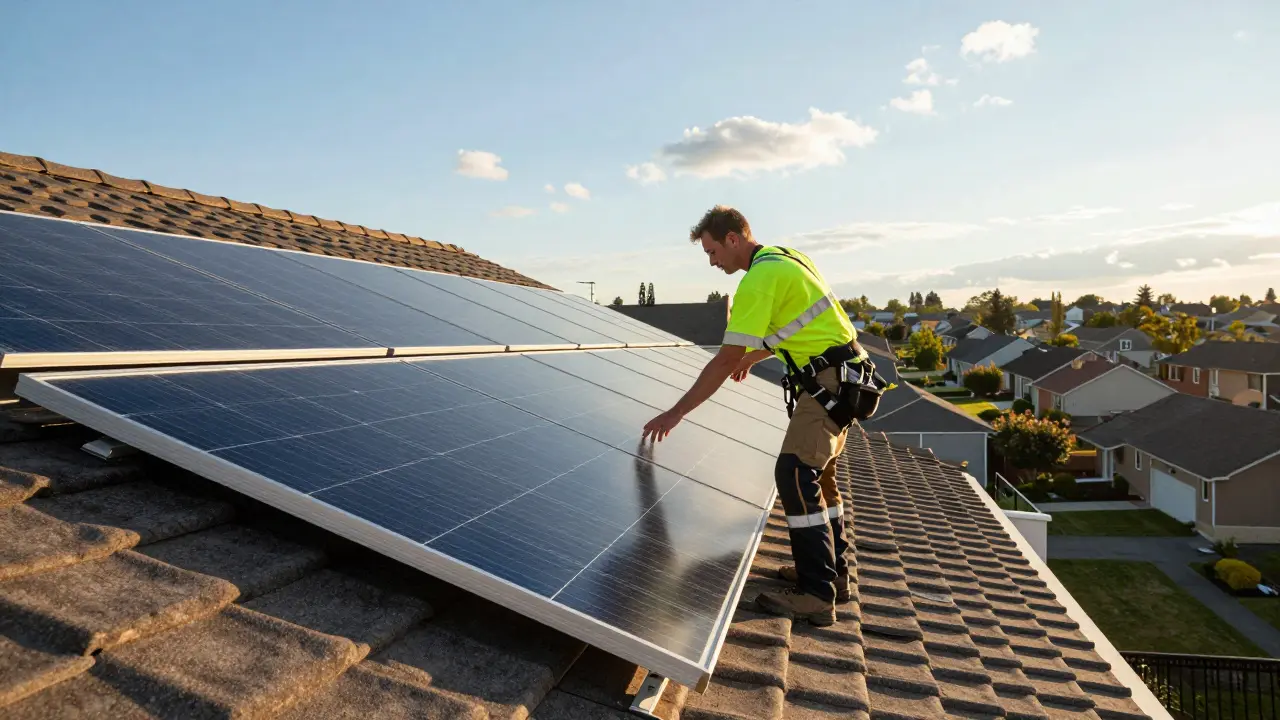
Walking out onto a roof in Auckland on a crisp July morning, you can feel the potential of the sun even through the clouds. That potential is becoming one of the most reliable sources of income for skilled workers today. The shift toward solar and renewable energy technician training isn't just a trend; it's a structural change in how we power our homes, businesses, and cities. If you are looking for a career that offers job security, competitive pay, and the satisfaction of working with your hands, this sector is booming.
But where do you start? The industry is vast, ranging from residential rooftop installations to massive wind farms offshore. Understanding the landscape, the certifications required, and the realistic day-to-day work is crucial before you invest time and money into a program. This guide breaks down exactly what you need to know to launch a successful career in renewable energy in 2026.
Why Renewable Energy Careers Are Exploding Now
The demand for renewable energy technicians has outpaced almost every other sector in the last five years. In New Zealand, the government’s goal to reach 100% renewable electricity generation by 2030 has created a surge in hiring. Globally, the International Renewable Energy Agency (IRENA) projects millions of new jobs in the sector by 2030. This isn't hype; it's math. As coal plants close and solar panels become cheaper than fossil fuels, someone needs to install, maintain, and repair these systems.
Unlike many tech roles that can be automated or outsourced, physical installation and maintenance require local presence. You cannot ship a technician from overseas to fix a broken inverter in a suburban home in Christchurch. This creates strong local job markets. For beginners, this means lower barriers to entry compared to specialized engineering roles, but with high earning potential as you gain experience.
Types of Renewable Energy Technicians
"Renewable energy technician" is an umbrella term. To choose the right training path, you need to pick a specialty. Here are the three most common tracks:
- Solar Photovoltaic (PV) Installers: These professionals install solar panels on roofs and ground mounts. They also wire the system to inverters and grid connections. This is the most common entry point due to the high volume of residential projects.
- Wind Turbine Service Technicians: Working at heights, these technicians climb wind turbines to inspect, repair, and maintain mechanical and electrical components. It requires a higher tolerance for risk and often involves travel to remote sites.
- Battery Storage Specialists: With the rise of home batteries like Tesla Powerwalls and commercial storage units, technicians who understand both solar and battery chemistry are in high demand. This role involves complex wiring and software configuration.
For most people starting out, solar PV installation is the best first step. The skills transfer easily to battery storage later, and there are more training programs available for solar than for wind.
Essential Certifications and Training Programs
You don't necessarily need a four-year university degree to become a solar technician. Many successful technicians hold associate degrees, vocational certificates, or specialized trade school diplomas. However, certification is key to getting hired and commanding higher wages.
In New Zealand, look for courses accredited by NZQA (New Zealand Qualifications Authority). Internationally, the gold standard is the NABCEP (North American Board of Certified Energy Practitioners) certification. While NABCEP is US-based, its principles are recognized globally. In Europe, the ECS (Electrical Contractors' Association) certification is vital. Always check if your training program prepares you for these specific exams.
| Training Type | Duration | Cost Estimate (NZD) | Best For |
|---|---|---|---|
| Vocational Certificate (Level 3-4) | 1-2 Years | $5,000 - $15,000 | Career changers seeking structured learning |
| Apprenticeship | 2-4 Years | Free (Earn while you learn) | Hands-on learners who want immediate income |
| Short Course / Bootcamp | 4-8 Weeks | $1,000 - $3,000 | Quick entry into the field |
| Associate Degree | 2 Years | $10,000 - $20,000 | Those aiming for supervisory or engineering roles |
Note that costs vary significantly depending on whether you receive government subsidies. In New Zealand, many polytechnics offer interest-free student loans (Student Allowance) for eligible citizens studying renewable energy courses.
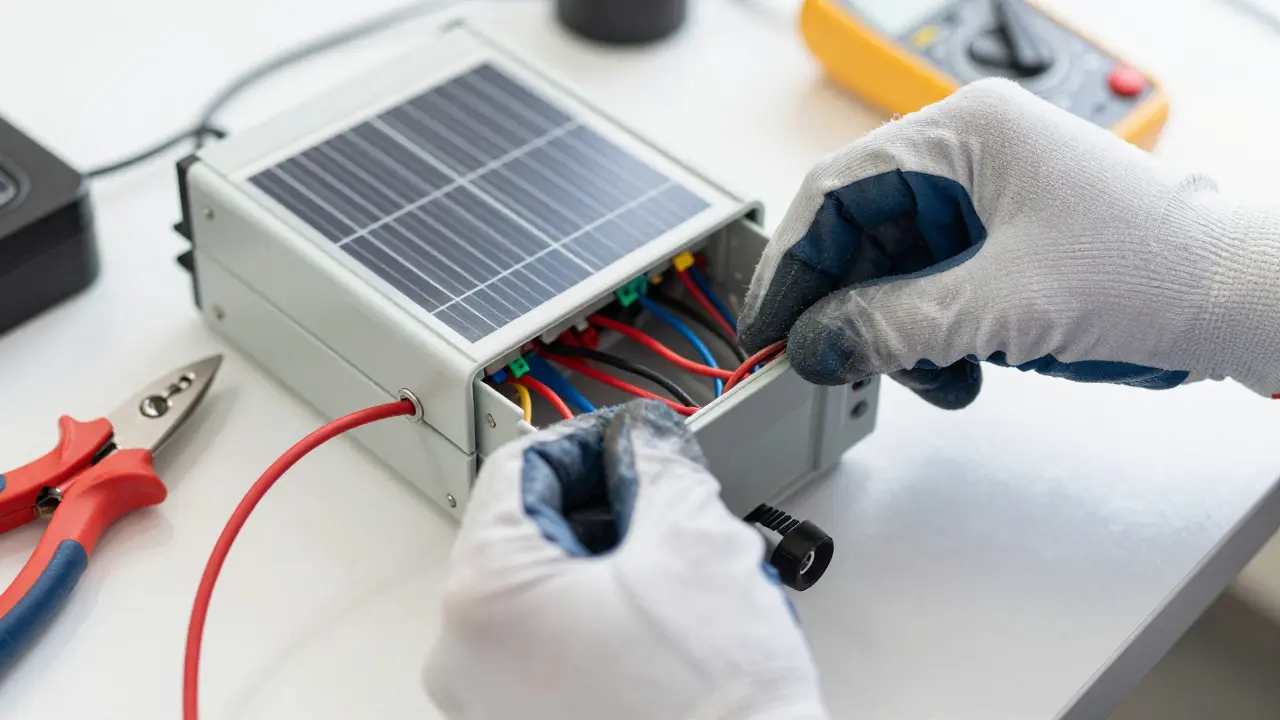
Core Skills You Will Learn
Training programs cover more than just how to screw a panel onto a roof. You will develop a mix of technical, safety, and soft skills.
- Electrical Theory: Understanding voltage, current, resistance, and AC/DC conversion is non-negotiable. You must read electrical schematics accurately.
- Roofing and Structural Knowledge: You need to assess roof integrity, identify suitable mounting points, and ensure waterproofing remains intact after installation.
- System Design Software: Tools like Helioscope or Aurora Solar are used to simulate shading and calculate energy production. Learning these early gives you a huge advantage.
- Health and Safety Compliance: Working at heights and with high-voltage electricity carries risks. You will train extensively in fall protection, lockout/tagout procedures, and emergency response.
- Customer Communication: Since many jobs are residential, you’ll explain system performance to homeowners. Clear communication builds trust and leads to referrals.
Day in the Life of a Solar Technician
What does the job actually feel like? Imagine arriving at a site at 7 AM. Your first task is a site assessment. You check the angle of the roof, look for shade from nearby trees, and locate the main electrical panel. You then spend the morning installing racking systems-metal frames that hold the panels. This is physically demanding work involving lifting heavy materials and using power drills.
By midday, you’re wiring the panels together. This requires precision. One loose connection can cause overheating or fire hazards. After wiring, you connect the inverter-the brain of the system-and run diagnostics to ensure it’s communicating with the grid. In the afternoon, you might clean up the site, label all circuits clearly for future electricians, and walk the homeowner through their monitoring app.
It’s a mix of outdoor labor, puzzle-solving, and customer service. On bad weather days, you might spend time indoors doing inventory management or planning routes for the next day.

Salary Expectations and Job Outlook in 2026
Compensation in this field is attractive, especially when you consider the low debt burden compared to university graduates. Entry-level solar installers in New Zealand typically earn between $50,000 and $65,000 NZD annually. Experienced technicians with certifications and leadership skills can earn $80,000 to $100,000+.
Freelance or self-employed technicians often charge higher rates, sometimes $40-$60 per hour, but they must handle their own insurance, tools, and marketing. The job outlook is exceptionally strong. As older systems installed in the late 2010s begin to fail, maintenance and repair jobs will grow faster than new installations.
Pitfalls to Avoid When Choosing Training
Not all training programs are created equal. Here is how to spot a bad fit:
- No Hands-On Component: If the course is entirely online with no lab work, avoid it. You cannot learn to crimp wires or drill into concrete via video alone.
- Lack of Industry Partnerships: Good schools have relationships with local solar companies. Ask if they help with job placement or internships.
- Outdated Curriculum: Ensure the program teaches modern micro-inverters and battery integration, not just old string inverter technology.
Always ask for a list of alumni and contact them directly. Their real-world experience is more valuable than any brochure.
Next Steps for Aspiring Technicians
If you are ready to start, here is a simple action plan. First, research local polytechnics or trade schools offering renewable energy certificates. Second, shadow a current technician for a day if possible-many companies allow this. Third, save for basic tools: a good set of screwdrivers, wire strippers, and a multimeter are essential investments. Finally, apply for apprenticeships. They offer the fastest route to financial stability while you learn.
The transition to green energy is happening now. By entering this field, you aren't just finding a job; you're joining a movement that powers the future. The sun rises every day, and so do the opportunities for those willing to harness it.
Do I need a license to work as a solar technician?
Requirements vary by region. In New Zealand, you generally need to be registered with the Electrical Workers Registration Board (EWRB) to perform electrical work. In the US, licensing depends on state laws. Always check local regulations. Most training programs prepare you for these licensing exams.
How long does it take to become certified?
A short bootcamp can take 4-8 weeks, while a full vocational certificate takes 1-2 years. NABCEP certification requires a certain number of hours of documented work experience, which usually takes 1-3 years to accumulate after initial training.
Is solar technician work dangerous?
Like any construction job, it carries risks such as falls and electrical shock. However, strict safety protocols, personal protective equipment (PPE), and rigorous training minimize these dangers significantly. Proper training is your best defense against accidents.
Can I work remotely as a solar technician?
No, the core work is physical and on-site. However, experienced technicians can move into remote roles in system design, sales, or project management once they have mastered the technical aspects.
What tools do I need to buy before starting?
Start with basics: insulated screwdrivers, wire strippers, a digital multimeter, tape measure, and safety glasses. Employers typically provide larger tools like drills and lifts. Invest in quality safety gear like fall arrest harnesses early on.