

You’re watching a local high school team struggle with injuries that shouldn’t be happening. Or maybe you’re the athlete yourself, wondering why your performance has plateaued despite hours in the gym. The gap between raw talent and elite execution is often bridged by knowledge-specifically, the kind you get from structured sports coaching and athletic training courses. It’s not just about knowing how to lift a weight; it’s about understanding biomechanics, periodization, and the psychology of peak performance.
But here’s the kicker: the market is flooded. From weekend workshops to four-year university degrees, the options are overwhelming. Do you need a PhD in Kinesiology to coach a club team? Can you trust an online certificate for clinical athletic training? This guide cuts through the noise. We’ll look at what these courses actually teach, which certifications matter in 2026, and how to choose the right path whether you want to work on the sidelines or in the clinic.
Understanding the Core Disciplines
Before you enroll anywhere, you need to distinguish between two related but distinct fields: coaching and athletic training. They overlap, sure, but their end goals differ significantly. Coaching focuses on performance optimization, strategy, and skill acquisition. Athletic training (often called allied health professional practice in many regions) focuses on injury prevention, assessment, rehabilitation, and emergency care.
When you search for Sports Coaching, you’re looking for programs that teach you how to design drills, manage team dynamics, and analyze game footage. These courses are heavy on practical application. You might spend more time on the field than in a lecture hall.
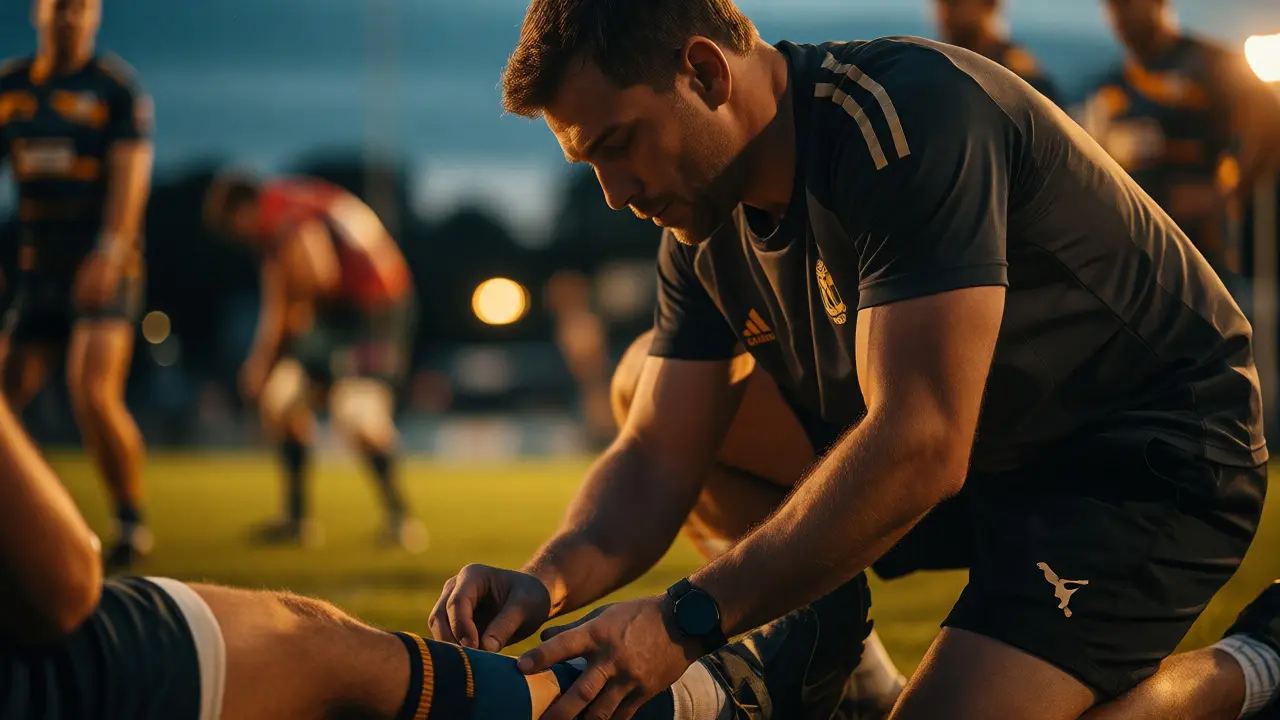
On the other hand, Athletic Training is a healthcare discipline. It requires rigorous study of anatomy, physiology, and pathology. If you want to tape an ankle or recognize a concussion on the field, this is your lane. In New Zealand and Australia, for instance, becoming a registered Sports Physiotherapist or Certified Athletic Trainer often requires a specific accredited degree, not just a short course.
Why does this distinction matter? Because employers treat them differently. A football club hiring a strength coach wants someone who can make players faster and stronger. A hospital hiring a rehab specialist wants someone who understands tissue healing timelines. Mixing up the credentials can lead to job rejections or, worse, practicing outside your scope of competence.
The Spectrum of Educational Paths
Not everyone needs a bachelor’s degree to start working in sport. The educational landscape ranges from micro-credentials to doctoral research. Here’s how they stack up:
| Educational Level | Duration | Primary Focus | Career Outcome |
|---|---|---|---|
| Micro-Credentials | Weeks to Months | Specific skills (e.g., First Aid, Nutrition) | Specialist Add-on, Assistant Coach |
| Diploma/Certificate | 6-18 Months | Foundational Coaching Principles | Club Coach, Personal Trainer |
| Bachelor’s Degree | 3-4 Years | Science, Theory, Practical Application | Professional Athlete Support, High-Performance Coach |
| Master’s/PhD | 1-5+ Years | Research, Advanced Biomechanics, Leadership | Director of Performance, Academic Lecturer, Elite Consultant |
For most people entering the field today, a combination approach works best. Start with a recognized foundational certificate-like those offered by national sporting bodies-and then layer on specialized knowledge. For example, a Personal Trainer Certification from a body like NASM or ACE gives you legal liability coverage and basic programming skills. But if you want to work with athletes recovering from ACL surgery, you’ll need to add a postgraduate diploma in Strength and Conditioning.
Key Components of High-Quality Courses
What separates a good course from a cash-grab? Look for three pillars: Science, Practice, and Ethics.
Science: Any credible program must ground its teachings in evidence. Does the curriculum cover exercise physiology? Do they explain energy systems (ATP-PC, glycolytic, oxidative)? If a course promises "secrets" without explaining the underlying biology, run. You need to understand why a certain interval protocol works for a rugby player versus a marathon runner.
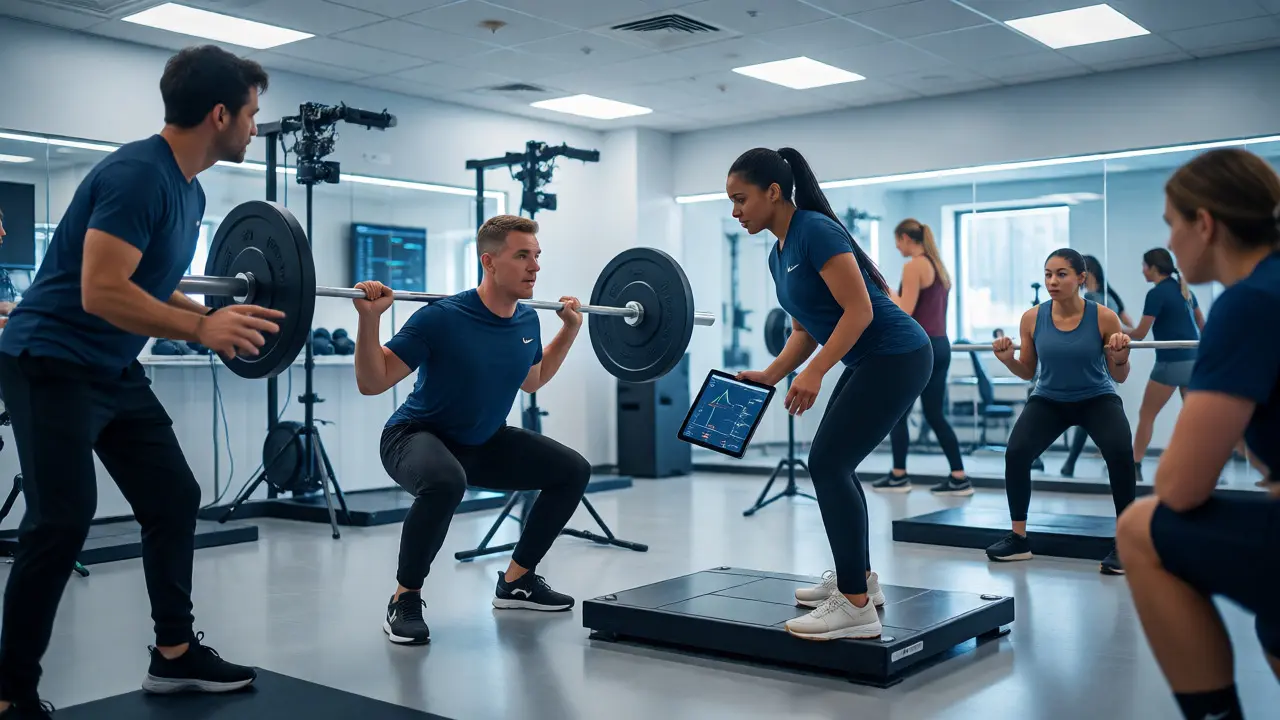
Practice: Theory is useless if you can’t demonstrate it. Top-tier Strength and Conditioning Courses require supervised practical hours. You should be assessed on your ability to cue a squat, spot a bench press safely, and monitor heart rate variability. Look for programs that offer lab sessions where you can use tools like force plates or motion capture software, even if it’s just introductory exposure.
Ethics and Safeguarding: Especially relevant in 2026, coaches and trainers interact closely with minors and vulnerable adults. Courses must include modules on child protection, anti-doping regulations, and mental health awareness. In New Zealand, for instance, the Children’s Act places strict duties on anyone working with young people in sport. Ignoring this isn’t just unprofessional; it’s legally risky.
Top Certifications and Accrediting Bodies
Who backs your certificate matters. Employers look for accreditation because it signals standardized competency. While there are hundreds of providers globally, a few names carry significant weight.
- NASM (National Academy of Sports Medicine): Known for its OPT model (Optimum Performance Training), NASM is highly respected in the US and internationally for personal training and corrective exercise. Their courses emphasize functional movement patterns.
- NSCA (National Strength and Conditioning Association): The gold standard for S&C professionals. The CSCS (Certified Strength and Conditioning Specialist) credential is often required for jobs with professional teams. It requires a bachelor’s degree to sit for the exam, making it a serious commitment.
- ACSM (American College of Sports Medicine): Strong focus on clinical exercise physiology. Great for those interested in health promotion and cardiac rehab alongside athletic performance.
- Local National Bodies: Don’t overlook local accreditors. In New Zealand, Sport NZ and individual codes (like Netball NZ or Rugby NZ) have their own coaching pathways. These are often cheaper and more aligned with local league structures.
If you’re eyeing a career in athletic training specifically, look for programs accredited by CAATE (Commission on Accreditation of Allied Health Education Programs) if you’re targeting the US, or equivalent national health boards elsewhere. Note that in many countries, including parts of Europe and Asia, the title "Athletic Trainer" is protected, meaning you cannot use it without specific registration.
Online vs. In-Person Learning
Can you learn to coach entirely online? Partially. The theoretical components-nutrition, psychology, periodization models-are perfect for digital delivery. Platforms allow you to pause lectures, review complex diagrams, and join global forums. Many top universities now offer fully online Master’s in Sports Science.
However, the practical side resists digitization. You can watch a thousand videos on how to perform a clean and jerk, but until you feel the bar path and correct a client’s form in real-time, you don’t truly know it. Hybrid models are gaining traction. You complete the theory online and attend intensive weekend boot camps for practical assessment. This balances flexibility with hands-on rigor.
Beware of "fully online" practical assessments. Some providers ask you to submit a video of yourself coaching a friend. While better than nothing, it lacks the feedback loop of an expert correcting your posture on the spot. If possible, choose a provider that offers in-person labs or local partner facilities.

Career Trajectories and Salary Expectations
Where do these courses take you? The paths are diverse. A Head Coach might earn $50k-$90k USD annually depending on level, while a Director of Performance for a Premier League soccer team could see six figures. Personal trainers vary wildly based on location and niche; specialists in golf fitness or senior mobility often charge premium rates compared to generalists.
Job stability is another factor. School-based roles offer holidays and benefits but lower pay. Private sector roles offer higher potential income but less security. Athletic trainers working in hospitals or clinics enjoy steady demand due to aging populations and increased participation in recreational sports.
One emerging trend in 2026 is the integration of technology. Coaches who understand data analytics-using GPS trackers, sleep monitors, and readiness scores-are increasingly sought after. Courses that include modules on sports technology give you a competitive edge. You don’t need to be a programmer, but you need to interpret the dashboards.
How to Choose the Right Course for You
Ask yourself these questions before swiping your credit card:
- What is my target audience? Kids? Elite athletes? Seniors? A course designed for youth development won’t prepare you for professional contact sports.
- Do I need licensure? Check local laws. In some regions, calling yourself a "Physiotherapist" or "Dietitian" requires statutory registration. Others only require insurance.
- Is the curriculum updated? Sports science evolves fast. Ensure the course covers recent guidelines on concussion management and load monitoring.
- What support is available? Will you have access to mentors? Is there a community of alumni? Networking is often how you land your first gig.
Finally, consider the cost-to-value ratio. A $2,000 certificate that leads to a $40,000 job is great. A $20,000 master’s that leaves you with debt and no network might be less so. Talk to graduates. Ask them what they wish they’d known.
Frequently Asked Questions
Do I need a degree to become a sports coach?
No, not necessarily. Many successful coaches hold certificates or diplomas rather than full degrees. However, higher-level positions, especially in professional or collegiate settings, increasingly prefer candidates with a bachelor’s degree in sports science or a related field. For entry-level roles, a recognized coaching certification and practical experience are usually sufficient.
What is the difference between a personal trainer and an athletic trainer?
A personal trainer focuses on helping clients achieve fitness goals, such as weight loss or muscle gain, through exercise programming. An athletic trainer is a healthcare professional specializing in injury prevention, diagnosis, and rehabilitation. Athletic trainers typically require more extensive medical education and clinical hours, often involving direct patient care under physician supervision.
Are online sports coaching courses legitimate?
Yes, provided they are accredited by recognized bodies. Many reputable universities and organizations offer hybrid or fully online programs. The key is to ensure the course includes practical assessments or provides access to local labs for hands-on evaluation. Avoid providers that offer no practical component if you intend to work physically with clients.
How long does it take to complete an athletic training certification?
It depends on the level. Short-term certificates can take 3-6 months. Diploma programs may last 1-2 years. A full undergraduate degree in athletic training or sports therapy typically takes 3-4 years. Postgraduate specializations can add another 1-2 years. Part-time study extends these timelines accordingly.
Which certification is best for working with professional athletes?
The CSCS (Certified Strength and Conditioning Specialist) from the NSCA is widely regarded as the premier credential for working with professional athletes. It demonstrates advanced knowledge in scientific principles and practical application. Additionally, a Master’s degree in Strength and Conditioning or Exercise Physiology is often preferred for high-performance director roles.