

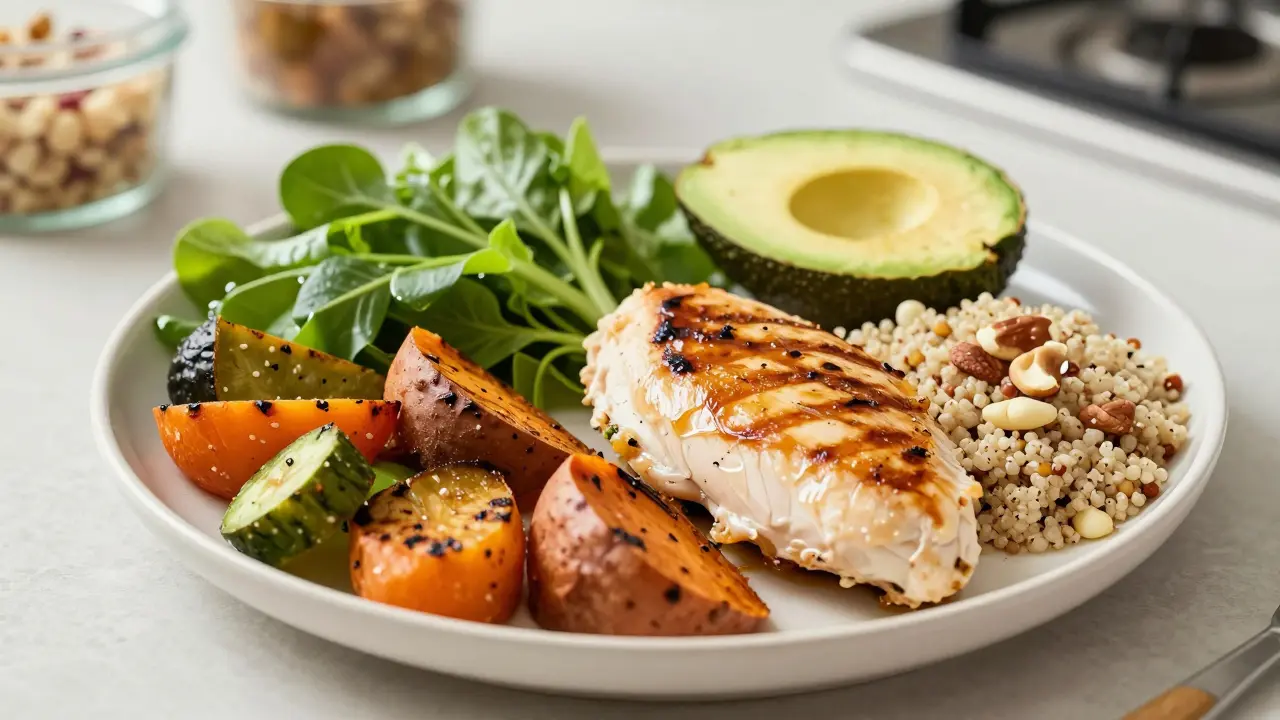
You’ve probably heard the phrase "you are what you eat." For athletes, that saying isn’t just a cliché; it’s a blueprint for success. Whether you’re a weekend warrior running your first 5K or a competitive cyclist training for Ironman, food is fuel. But knowing *what* to eat is only half the battle. The real challenge lies in timing, portioning, and consistency. This is where a structured Sports Nutrition Course becomes invaluable. It transforms guesswork into strategy.
Many people think dieting means restriction. In sports, however, eating is about addition-adding the right nutrients at the right time to enhance recovery, boost energy, and prevent injury. A solid understanding of meal planning can shave seconds off your race times, increase your strength gains, and keep you feeling energized throughout the day. Let’s break down exactly how to structure your meals to support your physical goals.
The Foundation: Understanding Macronutrients
Before you start counting calories, you need to understand the three main building blocks of your diet: carbohydrates, proteins, and fats. These macronutrients serve distinct roles in athletic performance.
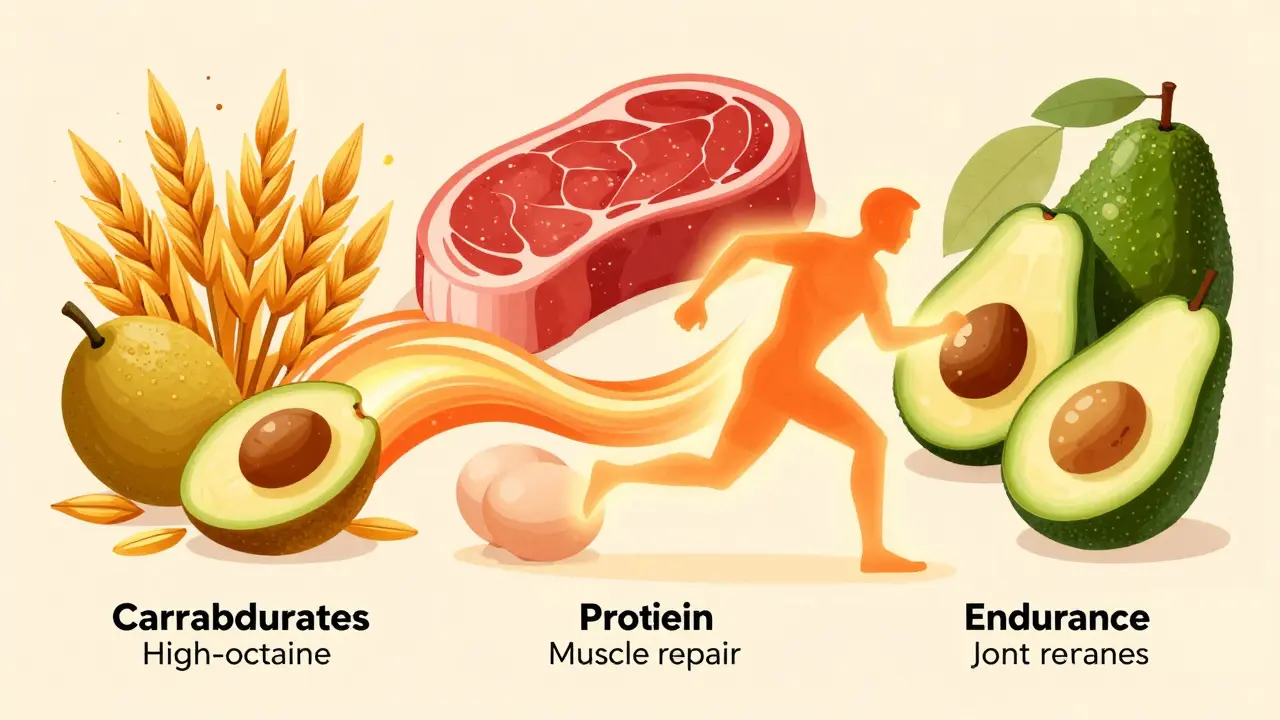
Carbohydrates are the primary fuel source for high-intensity exercise. They break down into glucose, which powers your muscles during sprints, lifts, or intense intervals. Without enough carbs, you’ll hit "the wall" faster than expected. Think of them as the premium gasoline for your engine. Whole grains like oats, quinoa, and brown rice provide sustained energy, while simple sugars from fruits offer quick bursts when needed.
Protein gets all the hype for muscle building, and rightly so. It repairs micro-tears in muscle fibers caused by resistance training. However, protein also supports immune function and hormone production. Aim for sources like lean chicken, fish, eggs, tofu, and legumes. The key here isn’t just eating protein, but distributing it evenly across meals to maximize muscle protein synthesis.
Fats often get a bad reputation, but they are essential for long-duration endurance events. Fat stores provide a nearly limitless energy supply for low-to-moderate intensity activities. Healthy fats from avocados, nuts, seeds, and olive oil also help reduce inflammation and support joint health. Ignoring fats can lead to hormonal imbalances and poor nutrient absorption.
| Macronutrient | Primary Function | Best Food Sources | Timing Tip |
|---|---|---|---|
| Carbohydrates | Immediate Energy | Oats, Rice, Bananas | Pre- and Post-Workout |
| Protein | Muscle Repair | Eggs, Chicken, Lentils | Within 2 Hours Post-Workout |
| Fats | Endurance Fuel & Health | Avocado, Nuts, Olive Oil | Rest Days & Low-Intensity Training |
Meal Timing: The Anabolic Window Myth vs. Reality
You’ve likely heard about the "anabolic window," the idea that you must consume protein within 30 minutes of finishing a workout to see results. While post-workout nutrition is important, recent research suggests the window is much wider than previously thought. Your total daily intake matters more than the exact minute you eat.
However, timing still plays a crucial role in performance optimization. Here’s a practical approach:
- Pre-Workout (1-3 hours before): Focus on easily digestible carbohydrates with moderate protein. Avoid high-fat or high-fiber foods that sit heavy in your stomach. A banana with a tablespoon of almond butter or a small bowl of oatmeal works well.
- Intra-Workout (During sessions >90 mins): For shorter workouts, water is usually sufficient. If you’re training for longer than an hour and a half, consider electrolyte drinks or easily digestible carbs like energy gels to maintain blood sugar levels.
- Post-Workout (Within 2 hours): This is when your body is primed to replenish glycogen stores and repair muscle. Combine carbs and protein in a 3:1 or 4:1 ratio. A chocolate milk shake or a chicken and rice bowl fits this perfectly.
Consistency beats perfection. Eating regular meals every 3-4 hours keeps your metabolism active and prevents the extreme hunger that leads to poor food choices later in the day.
Hydration: The Silent Performance Killer
Dehydration is one of the most common mistakes athletes make. Losing just 2% of your body weight in water can significantly impair cognitive function, coordination, and physical output. You don’t need expensive supplements to stay hydrated; you just need a plan.
Water is the baseline, but electrolytes matter too. Sodium, potassium, and magnesium are lost through sweat. If you’re sweating heavily, especially in hot conditions, plain water might not be enough. Adding a pinch of salt to your water or using an electrolyte tablet can help retain fluid and prevent cramps.
A simple rule of thumb: weigh yourself before and after exercise. For every pound lost, drink 16-20 ounces of fluid. Monitor your urine color-it should be pale yellow. Dark yellow indicates dehydration, while clear means you’re well-hydrated.
Building a Sustainable Meal Plan
Creating a meal plan doesn’t mean cooking ten different recipes every week. Sustainability comes from simplicity and repetition. Start by identifying your non-negotiables-foods you love and tolerate well. Then, build around those.
Use the "plate method" for visual portion control without weighing every gram:
- Half the plate: Vegetables and fruits (fiber, vitamins, minerals)
- One-quarter: Lean protein (chicken, fish, tofu, beans)
- One-quarter: Complex carbohydrates (sweet potatoes, quinoa, whole wheat pasta)
- Thumb-sized portion: Healthy fats (olive oil, avocado, nuts)
Batch cooking is your best friend. Prepare large batches of grains, proteins, and roasted vegetables on Sunday. Assemble meals quickly during the week by mixing and matching components. This reduces decision fatigue and ensures you always have a healthy option ready.
Don’t forget snacks. They bridge the gap between meals and keep energy levels stable. Greek yogurt with berries, hard-boiled eggs, apple slices with peanut butter, or a handful of trail mix are excellent options. Keep these visible and accessible in your kitchen and gym bag.
Supplements: What Works and What Doesn’t
The supplement industry is booming, but most products are unnecessary if your diet is solid. Supplements should supplement, not replace, whole foods. That said, a few evidence-based options can provide a marginal gain.
Caffeine is the most researched ergogenic aid. It improves alertness, reduces perceived effort, and enhances endurance performance. A dose of 3-6 mg per kilogram of body weight taken 30-60 minutes before exercise can be effective. Just be mindful of tolerance and sleep disruption.
Creatine monohydrate is another powerhouse, particularly for strength and power athletes. It helps regenerate ATP (adenosine triphosphate), the energy currency of cells, allowing for higher intensity efforts. Loading phases aren’t necessary; a consistent 3-5 grams daily works well over time.
Protein powder is convenient, not magical. Whey isolate or plant-based blends are great for hitting daily protein targets when whole food isn’t practical. But remember, a scoop of protein isn’t better than a piece of chicken-it’s just easier to measure.
Avoid proprietary blends that hide ingredient dosages. Look for third-party testing certifications like NSF Certified for Sport or Informed Choice to ensure purity and safety.

Adapting to Different Training Phases
Your nutritional needs change based on your training cycle. During high-volume training blocks, your caloric and carbohydrate needs increase. During rest or deload weeks, you can scale back slightly to allow full recovery.
If you’re preparing for a competition, consider periodizing your nutrition. Tapering carbohydrates in the days leading up to an event can help supercompensate glycogen stores, giving you an extra burst of energy on race day. This strategy requires practice, so test it during training races first.
Listen to your body. Hunger cues, energy levels, and sleep quality are powerful indicators of whether your nutrition plan is working. If you’re constantly fatigued, irritable, or struggling to recover, reassess your calorie intake and macronutrient balance.
Common Pitfalls to Avoid
Even experienced athletes fall into nutritional traps. One common mistake is undereating due to fear of gaining weight. This leads to Relative Energy Deficiency in Sport (RED-S), which causes bone density loss, hormonal disruptions, and increased injury risk.
Another pitfall is relying too heavily on processed "healthy" foods. Protein bars, granola, and flavored yogurts can be loaded with added sugars and unhealthy fats. Read labels carefully. Choose whole foods whenever possible.
Finally, don’t neglect mental health. Orthorexia, an obsessive focus on eating "clean," can create anxiety and disconnection from food. Allow flexibility. Enjoy treats occasionally without guilt. Balance promotes longevity in both sport and life.
How many calories should I eat daily?
Calorie needs vary widely based on age, gender, weight, height, and activity level. A general starting point is 30-35 calories per pound of body weight for active individuals. Track your weight and energy levels for two weeks. If you’re losing weight unintentionally, add 200-300 calories. If you’re gaining fat, subtract 200-300 calories. Adjust gradually until you find your maintenance level.
Is it okay to eat fast food before a workout?
It’s not ideal. Fast food is typically high in fat and fiber, which slows digestion. This can cause gastrointestinal distress during exercise. Opt for simple carbs like bananas, toast, or energy bars instead. Save fast food for post-workout or rest days when digestion isn’t competing with physical exertion.
Do I need to count macros strictly?
Not necessarily. Tracking macros can be helpful for beginners to learn portion sizes and nutrient distribution. However, intuitive eating based on hunger cues and the plate method often works just as well for long-term sustainability. Use tracking as a tool, not a rulebook.
What should I eat if I have a busy schedule?
Keep portable, shelf-stable snacks on hand. Options include protein bars, nuts, dried fruit, canned tuna packets, and single-serving nut butters. Pre-portioned meals from grocery stores or meal prep containers can also save time. Consistency matters more than convenience.
Can I lose weight and build muscle simultaneously?
Yes, especially if you’re new to training or returning after a break. This process, called body recomposition, requires a slight calorie deficit combined with adequate protein intake (0.7-1 gram per pound of body weight) and progressive resistance training. Patience is key, as changes happen slowly.