

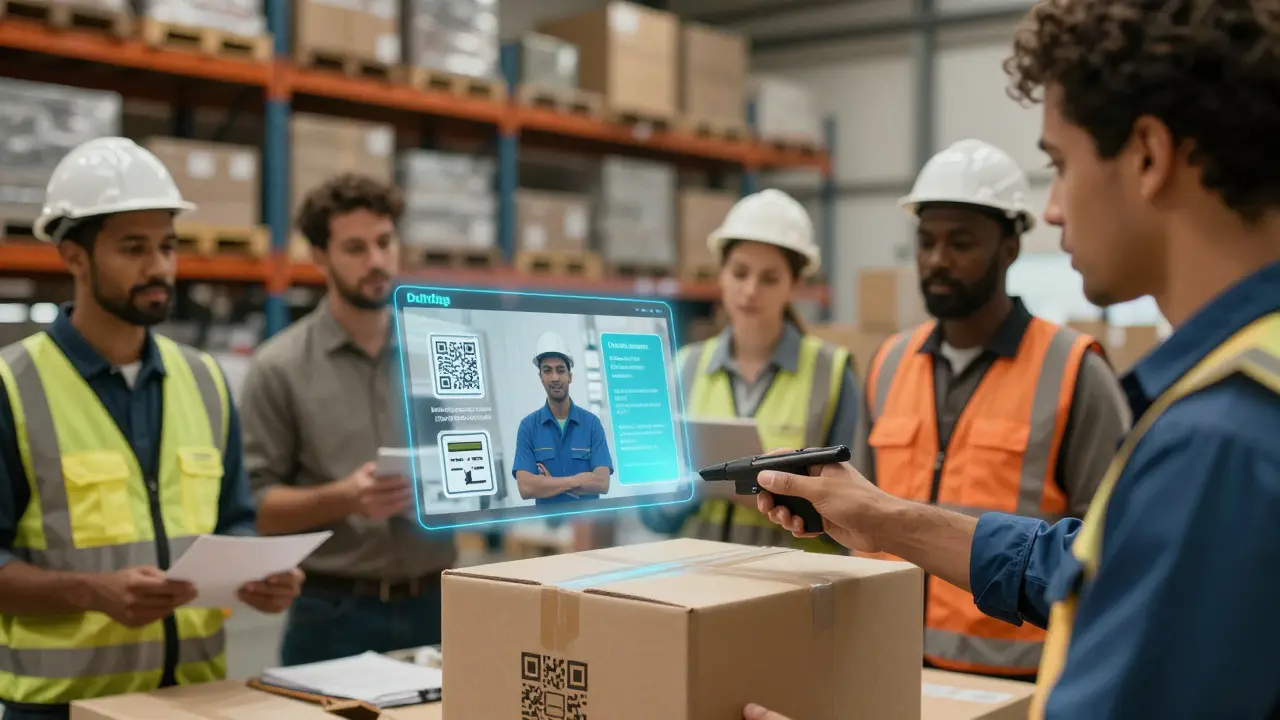
When companies rely on suppliers and partners to keep their operations running, training those external teams isn’t just nice to have-it’s a necessity. Think about it: if your supplier’s staff doesn’t know how to handle your product correctly, or your partner’s team misunderstands your service standards, you’re not just risking delays-you’re risking your reputation. Yet, many enterprises still treat supplier and partner training like an afterthought, something to check off a list before signing a contract. That’s a mistake.
Why Supplier and Partner Training Actually Matters
It’s easy to assume that your vendors already know what they’re doing. But here’s the truth: most suppliers and partners work with dozens of clients. Each one has different processes, documentation styles, compliance rules, and expectations. If your partner isn’t trained on your specific systems, they’re guessing-and guessing wrong can cost you money, time, and customer trust.
A 2024 study by the Supply Chain Insights Group found that companies with formal partner training programs saw a 47% reduction in onboarding errors and a 32% improvement in service delivery speed. That’s not a small win. It’s the difference between a shipment arriving late because the warehouse team didn’t know your labeling system, and everything going smoothly because they were trained on your exact barcode format, handling instructions, and return protocol.
Training isn’t about controlling your partners. It’s about aligning them. When your suppliers understand your goals, your quality standards, and your communication style, they become extensions of your team. That’s the kind of partnership that scales.
What Makes a Good Training Program?
Not all training programs are created equal. Some companies hand out a PDF and call it done. Others build interactive, ongoing learning paths that actually stick. Here’s what separates the two:
- Clear objectives-What should your partners be able to do after training? Fix a common error? Use your CRM? Submit invoices correctly? Define it upfront.
- Modular content-Break training into short, focused modules. One on documentation, one on safety, one on reporting. This makes it easier to digest and revisit.
- Real-world scenarios-Instead of theory, use examples from your own operations. Show them what a mislabeled box looks like, how a delayed invoice affects your cash flow, or how a miscommunication with your logistics team causes a ripple effect.
- Feedback loops-Don’t just test them once. Ask for input. Let them tell you what’s confusing, what’s missing, what’s helpful. Use that to improve.
- Access anytime-Trainees aren’t sitting in a conference room for eight hours. They’re in warehouses, on factory floors, or working from home. Make your training mobile-friendly and available 24/7.
One manufacturing company in Christchurch started using a simple LMS platform with video walkthroughs and quizzes. Within six months, their defect rate from partner-manufactured parts dropped by 61%. Why? Because the training included a 90-second video showing exactly how to calibrate the machine they used-something no manual had explained clearly.
Types of Training Programs That Work
There’s no one-size-fits-all. The best approach depends on your industry, the complexity of your product, and how deeply your partners are integrated into your operations.
Onboarding Bootcamps
For new partners, a 2-5 day intensive session works wonders. Cover your company culture, key systems, communication channels, and common pain points. Include live Q&A with your internal teams. This builds rapport before any real work starts.
Product-Specific Certification
If you sell complex equipment, software, or services, certification is essential. Partners shouldn’t be selling or supporting your product unless they’ve passed a hands-on test. Think of it like Apple’s Authorized Service Provider program. It’s not just about knowledge-it’s about accountability.
Continuous Learning Modules
Training doesn’t end after onboarding. New software updates, regulatory changes, or revised procedures happen all the time. Set up monthly 10-minute microlearning videos or quick-read updates. Make it easy to stay current.
Peer Shadowing
Pair a new partner rep with a seasoned one from your side. Let them sit in on a call, observe a warehouse inspection, or join a planning meeting. Real-time observation beats any slide deck.

How to Get Buy-In from Partners
Here’s the hard truth: if your partners don’t see value in training, they won’t do it. So why should they care?
- Make it rewarding-Offer certificates, public recognition, or even small incentives like priority support or preferred vendor status.
- Show the ROI-Tell them how training reduces their own errors, cuts down on rework, and speeds up payments. Few things motivate like faster cash flow.
- Involve them in design-Ask partners what they need. Hold a short survey or a Zoom call. When they help shape the program, they own it.
- Keep it simple-No jargon. No long forms. No login nightmares. If it takes more than 5 minutes to access training, you’ll lose half your audience.
One logistics firm in Wellington started offering a "Top Partner" badge to those who completed all training modules in a quarter. Within a year, completion rates jumped from 42% to 89%. The badge didn’t cost them anything-but it gave partners something to be proud of.
Tools That Make Training Easier
You don’t need a huge budget to build a solid training program. Here are a few tools that work well for enterprises:
- LearnDash or Thinkific-Easy-to-use platforms for creating and hosting video courses, quizzes, and certifications.
- Microsoft Stream or Loom-Record short, clear video tutorials. No fancy editing needed.
- Google Forms or Typeform-Quick feedback surveys to improve content.
- Slack or Microsoft Teams channels-Dedicated spaces for partner questions and updates.
- QR codes on packaging or manuals-Link directly to the relevant training module. A warehouse worker can scan a code on a box and watch a 2-minute fix video right there.
One food distributor in Auckland started putting QR codes on every delivery slip. Scanning it took partners to a video explaining how to store their specific product. Customer complaints about spoilage dropped by 74% in three months.
Measuring Success
If you can’t measure it, you can’t improve it. Track these metrics:
- Completion rates
- Time to resolve common issues
- Reduction in errors or returns
- Partner satisfaction scores
- Speed of onboarding new partners
Don’t just collect data-use it. If 30% of partners are failing the inventory module, go back and rewrite it. If most feedback says "too long," cut it down. Training should evolve as fast as your business does.
Common Mistakes to Avoid
- Assuming knowledge-Just because a partner has worked with others doesn’t mean they know your way.
- One-time training-Skills fade. Procedures change. Training must be ongoing.
- Overloading content-Don’t dump 50 slides on them. Focus on what matters most.
- Ignoring language or culture-If your partner is in a different country, translate materials. Use local examples.
- Not involving your own team-Your customer service, logistics, and quality teams should help design the training. They know the real pain points.
Start Small. Scale Fast.
You don’t need to train all your partners at once. Pick one high-impact group-maybe your top 10 suppliers-and run a pilot. Get feedback. Fix what doesn’t work. Then expand. Within a year, you’ll have a system that reduces friction, builds trust, and makes your whole supply chain run smoother.
The goal isn’t to control your partners. It’s to empower them. When they succeed, you succeed.
Do supplier training programs really improve business results?
Yes. Companies with structured partner training programs report up to 47% fewer onboarding errors and 32% faster service delivery, according to the 2024 Supply Chain Insights Group study. Training reduces mistakes, speeds up communication, and builds trust-leading to fewer delays, lower costs, and happier customers.
What’s the best way to deliver training to remote partners?
Use mobile-friendly platforms like Thinkific or Loom to host short video modules. Combine them with QR codes on physical materials so partners can access training on-site. Add quizzes for retention and Slack or Teams channels for ongoing support. The key is making it easy to access, not perfect.
How often should partner training be updated?
At least quarterly. If you release new software, change packaging, update compliance rules, or adjust delivery procedures, your training must reflect that. Even if nothing changes, send a 5-minute refresher video every month. Consistency builds habits.
Can small businesses afford partner training programs?
Absolutely. You don’t need expensive LMS systems. Start with free tools: use Google Forms for feedback, Loom for videos, and WhatsApp or email for reminders. Focus on one high-value partner first. A 10-minute training video and a simple checklist can make a huge difference-even for a small team.
Should partners pay for their own training?
No. If you’re asking partners to invest time and effort into understanding your systems, you should invest in their success. Charging them creates resentment. Instead, offer recognition, priority support, or better contract terms to those who complete training. Make it a benefit, not a burden.
Comments
Gareth Hobbs
This is all just corporate fluff. You think training suppliers will stop them from cutting corners? HA! They're all in it for the paycheck. I've seen it myself - warehouses in Poland, Vietnam, you name it - they're just going through the motions. And don't get me started on QR codes... that's how they track you, folks. Every scan is a data point for the surveillance state. Next thing you know, your 'partner' is feeding your supply chain intel to the CCP. Wake up, sheeple.
Zelda Breach
The study cited claims a 47% reduction in onboarding errors. That's statistically meaningless without a sample size or confidence interval. Also, 'service delivery speed' is a vague metric that could mean anything from delivery time to invoice processing. This article reads like a vendor pitch disguised as research. And don't even get me started on the Loom videos - if you think video tutorials solve systemic operational issues, you've never worked in logistics. Real solution? Hire better people. Not more videos.
Alan Crierie
I really appreciate how this breaks down practical steps. The modular approach makes sense - especially for global teams. I work with partners in Indonesia and Nigeria, and language barriers are real. Maybe add a note about using plain English and avoiding idioms? Also, the QR code idea? Genius. One of our suppliers started using them on pallet tags last year. Error rates dropped. No fancy tech. Just clarity. Small wins matter.
Nicholas Zeitler
I love the emphasis on feedback loops. Too many companies build training programs and then vanish. The real magic happens when you listen. I once worked with a supplier who kept saying the inventory module was confusing. We rewrote it based on their input. Turned out they were using a different barcode scanner model. We added a 30-second video showing how to hold it. Completion rates jumped. It's not about complexity. It's about listening.
Teja kumar Baliga
In India, we train our partners with WhatsApp voice notes and simple checklists. No LMS needed. One video. One rule. One action. They remember it. Also, asking them what they need? That's the secret. Not tech. Not slides. Just respect. They're not vendors. They're partners. Treat them like family. And yes, even small teams can do this. Start with one. Grow from there.
k arnold
Wow. A 47% reduction? That’s statistically significant only if the sample size was 3 and they forgot to count the failures. Also, who wrote this? A marketing intern who just finished a Coursera course? I’ve worked with 12 suppliers. None of them cared about training. They cared about getting paid. And your 'Top Partner' badge? Cute. Next you’ll be handing out participation trophies.
Tiffany Ho
I think this is really helpful. The part about making training mobile-friendly and using simple tools like Google Forms is spot on. I’ve seen teams get overwhelmed by big platforms. But a quick video and a one-question survey? That’s doable. And the QR code idea? So simple. Why didn’t I think of that? I’m going to try this with our smallest vendor next week. Maybe it’ll make a difference.
michael Melanson
I agree with the emphasis on ongoing training. One-time sessions are useless. Skills decay. Procedures change. I’ve been on both sides - as a partner and as a client. When training is treated like a checkbox, everyone loses. But when it’s treated like a conversation? That’s when things click. No fancy software needed. Just consistency. And patience.
lucia burton
The strategic imperative here is not merely operational efficiency but systemic alignment through competency architecture. When you institutionalize knowledge transfer via microlearning cadences anchored in behavioral reinforcement loops, you’re not just reducing errors-you’re embedding organizational DNA into third-party ecosystems. The ROI isn’t quantifiable in lagging indicators alone; it’s in the latent trust capital accrued through consistent, calibrated engagement. And yes, Loom is a tactical enabler, but the real win is cultural symbiosis.
Denise Young
Let’s be real. The 'Top Partner' badge is a band-aid on a hemorrhage. You think recognition fixes poor onboarding? You need to fix the underlying incentive structure. If partners are getting paid late because their invoices don’t meet your specs, and your training doesn’t fix the invoice template, then your 'training program' is just performance theater. Also, jargon like 'systemic alignment' makes you sound smart but does nothing for the guy in the warehouse trying to scan a box. Simplify. Or shut up.
Sam Rittenhouse
I’ve seen what happens when you treat partners like extensions of your team. Not just tools. Not just vendors. People. One supplier in Ohio, they had a single mom working the night shift. She didn’t have time for a 30-minute video. So we made a 90-second clip on her phone. She showed it to her crew. They started catching errors before they happened. No one asked for a badge. No one cared about a certificate. They just wanted to do their job right. That’s the real win. Not metrics. Not tools. Humanity.