

When you think of gamified learning, the use of game design elements like points, badges, and progress tracking to motivate and guide learners. Also known as game-based education, it's not just about earning trophies—it's about making learning feel like a meaningful journey, not a checklist. In MFA programs, where creativity often thrives in solitude, gamified learning brings back the rhythm of community, feedback, and incremental wins that keep writers and artists showing up—even when the work feels impossible.
This approach doesn’t replace critique sessions or studio time. Instead, it layers structure onto the messy, nonlinear process of making art. Think of it like a writing sprint where you earn points for daily drafts, unlock peer review access after hitting a word count goal, or get a badge for submitting your first revision. These aren’t gimmicks. They tap into how the brain responds to small victories, especially when you’re working alone for months on a novel or a portfolio. The same principles that keep people grinding through fitness apps or language platforms are now being used in graduate classrooms to reduce dropout rates and build consistency. Tools like active learning, teaching methods that require learners to do something beyond passively listening and online learning, education delivered through digital platforms with flexible pacing and remote access are the foundation. Gamification just makes them stick.
What you’ll find in the posts below isn’t theory—it’s real examples. You’ll see how MFA students use peer voting systems to pick which work gets showcased next, how writing cohorts turn feedback into leaderboard challenges, and how programs track progress not just by grades but by completed drafts, revisions, and public readings. Some of these systems are built into LMS platforms. Others are simple Google Sheets with custom rules. The common thread? They make invisible progress visible. And for artists who often doubt whether their work matters, that’s powerful.
There’s no magic formula. Gamified learning won’t fix a broken curriculum or replace great mentors. But when you’re stuck in front of a blank page, knowing you’ll get a badge for showing up tomorrow? That’s the nudge that keeps you going. These posts show you exactly how it’s done—no fluff, no hype, just what works for real students and programs today.
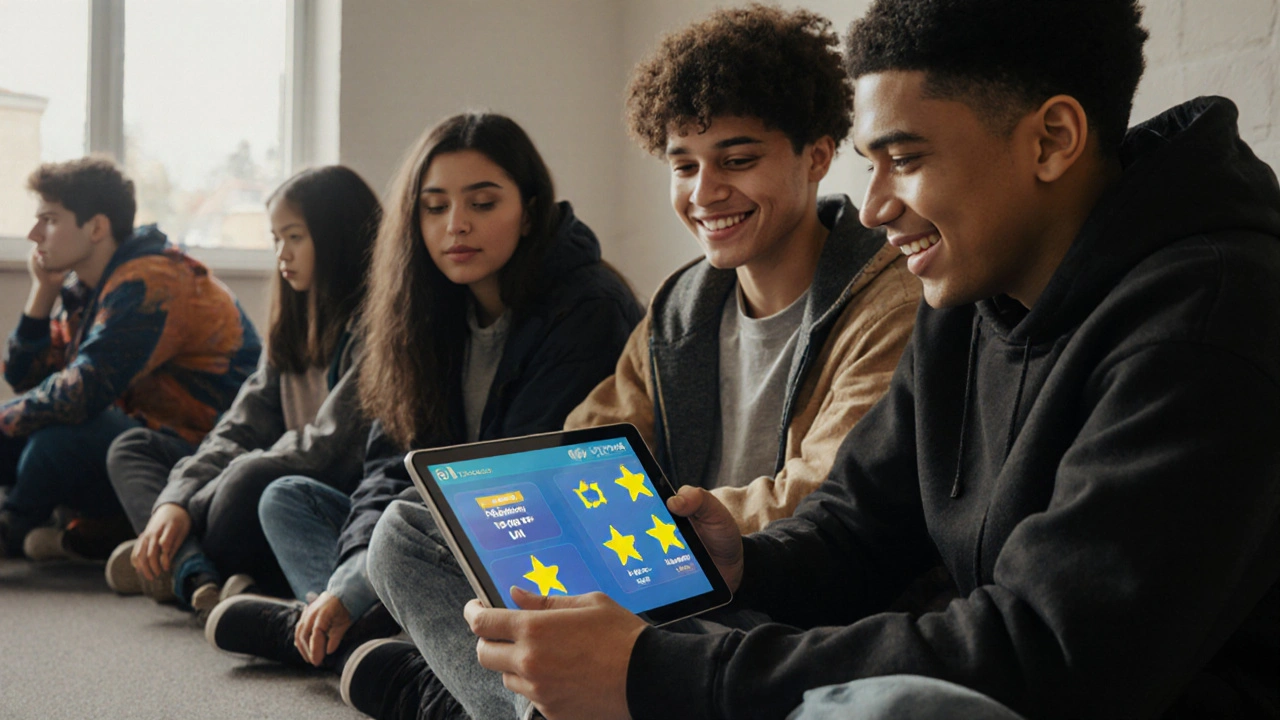
Playtesting real learners reveals what actually works in gamified learning-not assumptions. Learn how to test early, iterate fast, and build experiences that stick by focusing on real behavior, not idealized designs.