


Imagine this: You’re scheduling a live training session for your team. Half the group is in New York, another quarter in Mumbai, and the rest are spread across Tokyo, Berlin, and São Paulo. You pick 9 AM New York time. That’s 6 PM in Mumbai, 10 PM in Tokyo, and 7 PM in São Paulo. Half the team joins. The other half sleeps through it. The next day, you get three emails: "Can we get the recording?" "I was in a meeting." "I didn’t even know it was today." This isn’t a rare mistake. It’s the norm in global training programs. Companies spend millions on learning platforms, content creators, and instructors-only to watch engagement drop because no one can show up at the same time. Time zones aren’t just an inconvenience. They’re a silent killer of learning outcomes.
Why Time Zones Break Global Training
The biggest myth is that recording sessions fixes everything. It doesn’t. People still miss live Q&A. They don’t ask questions. They don’t build connections. And without interaction, retention drops by up to 60%, according to research from the Association for Talent Development. Here’s what really happens when time zones clash:- Employees in Asia or Australia are forced to join at 2 AM or 5 AM.
- Teams in the Americas skip sessions because they’re in the middle of their workday.
- Managers assume attendance = learning, so they punish no-shows instead of fixing the system.
- Content becomes fragmented-some teams get live training, others get videos, and alignment crumbles.
Solution 1: Rotate Live Sessions Fairly
Don’t always schedule for the headquarters. If your HQ is in London, don’t make every session at 9 AM London time-that’s 4 AM in California and 10 PM in Singapore. Instead, rotate. Here’s how one tech company with teams in 12 countries did it:- Group employees into regional cohorts (e.g., Americas, EMEA, APAC).
- Rotate live sessions so each region hosts the "prime time" slot every third week.
- Each cohort gets one live session per month at a reasonable hour for them.
- All sessions are recorded and available within 2 hours.
Solution 2: Design Asynchronous First, Live Second
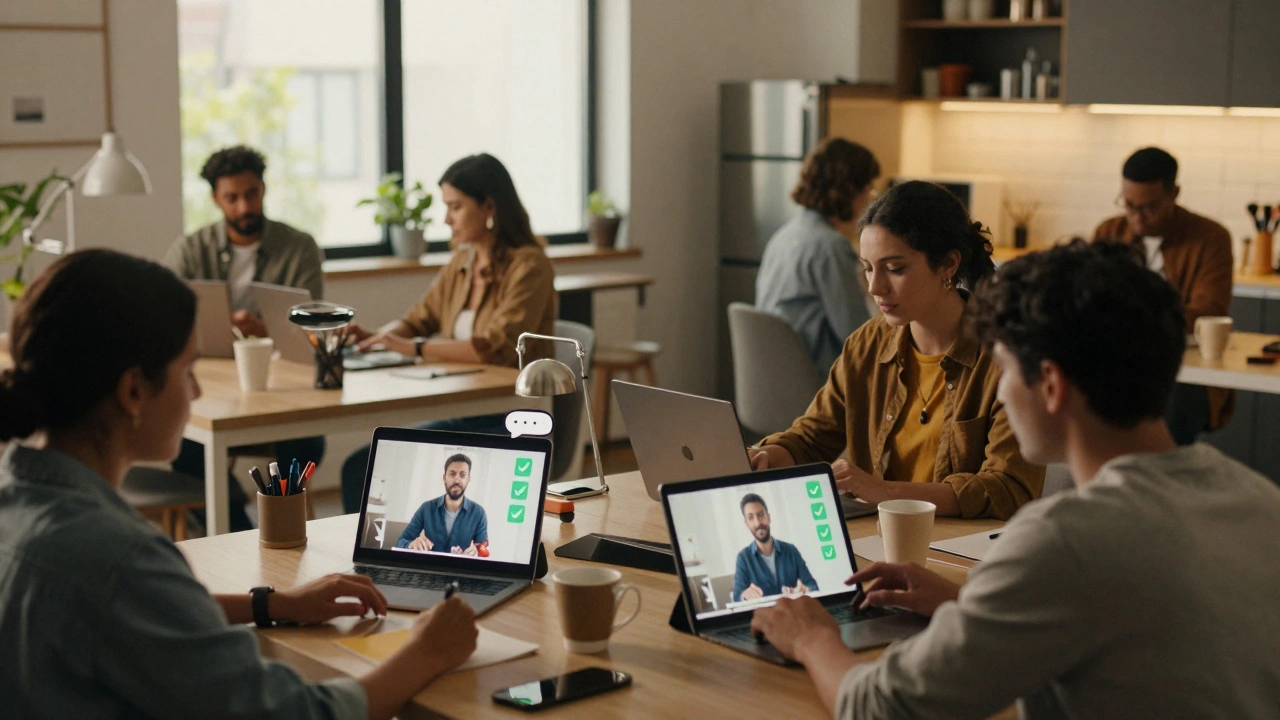
Stop thinking of live sessions as the main event. Treat them like bonus events. Build your training around self-paced content first. Use short videos (5-8 minutes max), interactive quizzes, and downloadable job aids. Let people complete the core material on their own schedule. Then use live sessions for what they can’t do alone:- Group problem-solving
- Role-playing difficult conversations
- Q&A with subject matter experts
- Peer feedback circles
Solution 3: Use Time Zone Tools to Plan Smarter
You can’t wing this. Manual scheduling is a disaster. Use tools that show overlapping availability across regions. Tools like World Time Buddy, Every Time Zone, or Google Calendar’s time zone view help you find windows where 70%+ of participants can join without extreme hours. Look for 2-3 hour windows where at least two major regions overlap. Example: If your key regions are the U.S. West Coast, Germany, and India:- U.S. West Coast: 8 AM-5 PM
- Germany: 5 PM-2 AM
- India: 12:30 AM-9:30 AM
Solution 4: Empower Local Facilitators
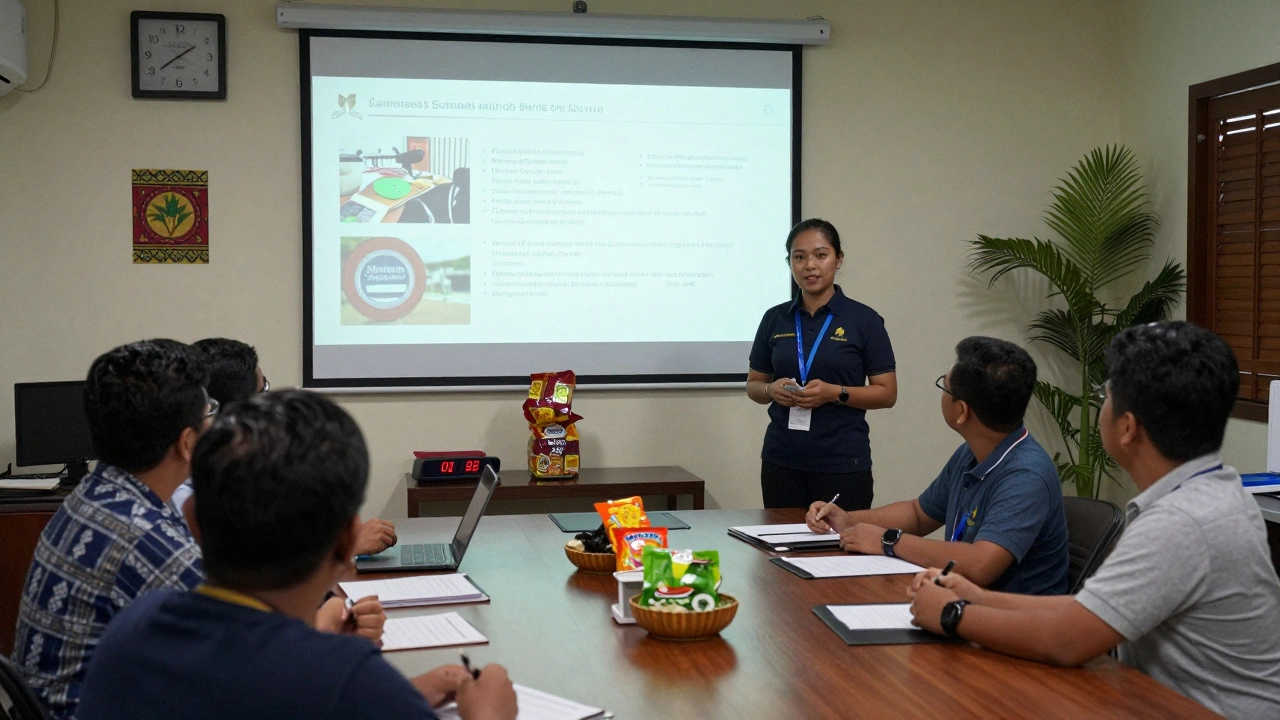
You don’t need one trainer flying across the globe or Zooming into every time zone. Train local champions in each region. Give them the same content, the same materials, the same learning goals. Let them deliver the live sessions in their own time zone, in their own language, using local examples. A multinational retail chain did this with their leadership training. Instead of one U.S.-based facilitator running 18 sessions across 12 time zones, they trained 5 local leads. Each ran sessions for their region. Feedback scores went up. Participation tripled. And the global team still got consistent messaging because all materials were standardized. Local facilitators also know when people are tired, when holidays hit, and when the internet is slow. They adjust. You don’t have to.Solution 5: Set Clear Expectations-No Guilt Trips
Stop saying, "Everyone must attend live." That’s not inclusive. That’s exclusion disguised as commitment. Instead, say this:- "Complete the core modules by Friday."
- "Join one live session per month if you can."
- "If you miss it, watch the recording and post your question in the forum."
What Doesn’t Work
Don’t rely on these outdated tactics:- "We’ll record it." (Without follow-up, recordings get buried.)
- "Just join whenever you can." (No structure = no accountability.)
- "We’ll do it at HQ time." (That’s just lazy.)
- "Only the high performers will make it work." (That’s not a training program. That’s a filter.)
Real Results: What Happens When You Fix This
A global logistics company had a 32% completion rate on their safety compliance training. Employees in Southeast Asia were skipping it because sessions were at 3 AM. They redesigned the program:- Split content into 10-minute modules
- Added localized examples (e.g., warehouse safety in Thailand vs. Canada)
- Rotated live Q&A every other week
- Assigned regional coaches
Start Small. Fix One Thing.
You don’t need to overhaul everything tomorrow. Pick one thing:- Rotate your next live session to a region that always misses it.
- Turn your next 60-minute lecture into three 10-minute videos.
- Ask your team: "What’s the worst time you’ve been asked to join a training?" Then avoid it.
How do I schedule live training when my team is spread across 10 time zones?
Use a tool like World Time Buddy to find overlapping hours where at least 70% of participants can join without extreme hours. Then rotate the live session time so no region is always inconvenienced. For example, if your team spans the U.S., Europe, and Asia, rotate the prime slot every three weeks so each region gets a fair shot at a reasonable time.
Is it okay to only offer recorded training and skip live sessions?
Yes-if your goal is compliance or basic knowledge transfer. But if you want engagement, collaboration, or behavior change, live sessions matter. Use them sparingly and intentionally: for group problem-solving, role-playing, or Q&A with experts. Make them optional but valuable, not mandatory.
What’s the best length for global training videos?
Keep videos between 5 and 8 minutes. Research shows attention drops sharply after 10 minutes, especially when people are multitasking or in low-bandwidth environments. Break longer topics into micro-modules. Let learners complete them in short bursts-during coffee, commute, or lunch.
How do I measure if global training is working?
Stop measuring attendance. Start measuring completion, application, and impact. Track: % of learners who finish modules, how many submit questions in forums, how many apply skills in their work, and whether performance metrics improve (e.g., fewer errors, faster task completion). Use surveys to ask: "Did this training help you do your job better?"
Should I translate training materials for non-English speakers?
Not always. First, test if English is a barrier. Many global teams use English as a working language and understand it well. If you find people are struggling, then translate key materials-especially safety, compliance, or policy content. Use professional translators, not AI tools, for accuracy. Avoid full translations unless necessary; subtitles or glossaries often work better.
How do I handle holidays and local observances in global training?
Create a shared calendar of major holidays across all regions where your teams are based. Block those dates from scheduling live sessions. Never force training during religious holidays, national observances, or major local events. Respect matters more than deadlines. If a team misses a module because of a holiday, give them extra time-not a penalty.