

When you think of athletic training, a healthcare profession focused on preventing, recognizing, and rehabilitating sports-related injuries. Also known as sports medicine support, it's the behind-the-scenes work that keeps players on the field, not in the clinic. It’s not just taping ankles or handing out ice packs. Real athletic training involves evaluating movement, designing recovery plans, and working alongside doctors, coaches, and physical therapists to keep athletes healthy through the season—and beyond.
Athletic training requires a deep understanding of human anatomy, biomechanics, and emergency care. It relates to physical therapy, a clinical specialty focused on restoring mobility and function after injury or surgery, but the roles are different. Athletic trainers are on the field during practice and games, making quick calls about whether someone can keep playing. Physical therapists step in later, often in clinics, to rebuild strength and range of motion. Both are critical, but they operate at different points in the recovery timeline. Athletic training also enables injury prevention, a proactive strategy using screening, conditioning, and technique correction to reduce the chance of harm. Think of it like car maintenance—you don’t wait for the engine to blow before checking the oil.
The field isn’t limited to pro sports. You’ll find certified athletic trainers in high schools, colleges, military units, and even industrial workplaces where physical demand is high. They’re the ones spotting early signs of overuse, adjusting training loads, and teaching proper warm-ups. Their work cuts down on missed days, reduces long-term damage, and helps people return to activity faster and safer. It’s not glamorous, but it’s essential.
What you’ll find here isn’t a list of job titles or certification requirements. It’s real-world insights from people who’ve seen what works—and what doesn’t. From how wearable tech is changing how injuries are tracked, to how schools are building better prep routines for young athletes, these posts cut through the noise. You’ll see how athletic training intersects with performance coaching, recovery protocols, and even mental readiness. No theory without practice. No buzzwords without results. Just what matters when someone’s on the line.
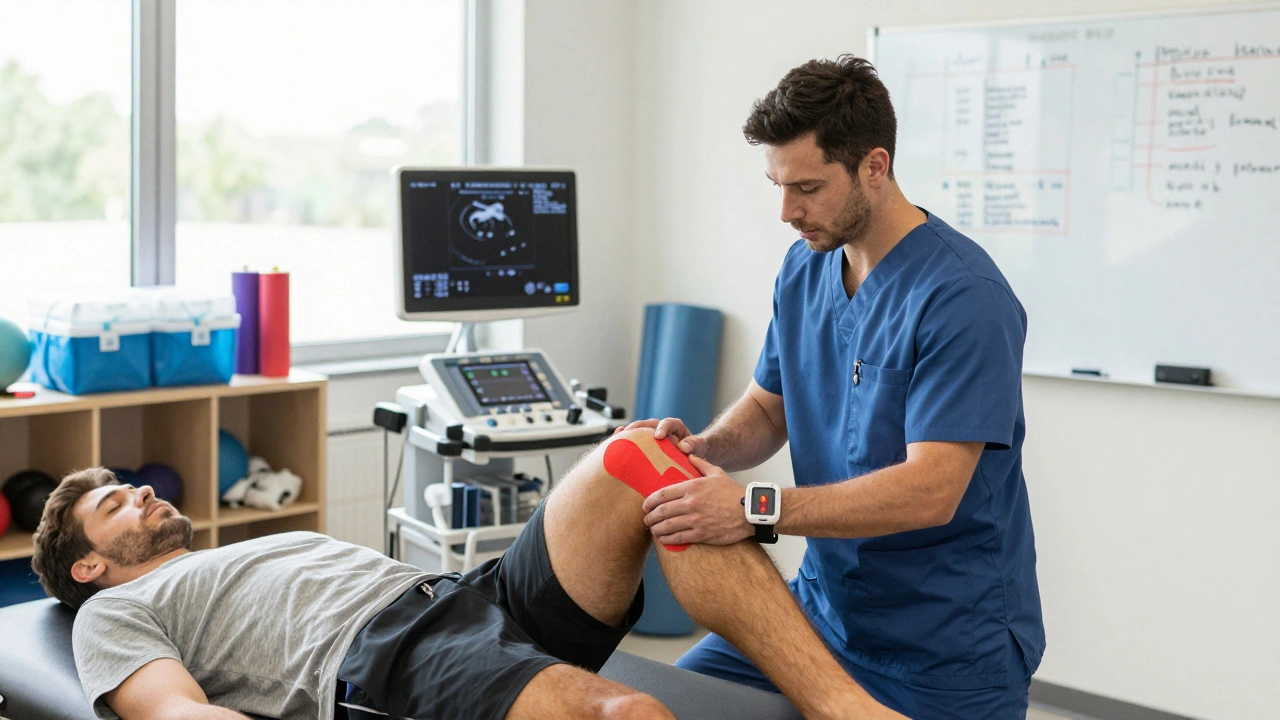
A detailed look at the curriculum for sports medicine and athletic training programs, covering core subjects, clinical training, certification requirements, and career paths for aspiring professionals.