

When you think about a course curriculum, the organized plan that defines what learners study, how they progress, and what they can do by the end. Also known as a syllabus, it's not just a document—it's the backbone of every effective learning experience. A weak curriculum feels like a grocery list: topics thrown together with no clear path. A strong one feels like a journey—each step builds on the last, mistakes are expected, and skills become habits.
Good curriculum design, the intentional process of building learning experiences around real outcomes starts with one question: What will the learner be able to do after this course? It’s not about covering more content. It’s about making sure every module leads to a usable skill. That’s why top programs focus on projects, not lectures. A learning design, the science of structuring content to match how people actually learn that includes weekly demos, real feedback loops, and chances to fail safely keeps people engaged. You see this in courses that teach UI design, packaging design, or even coffee skills—the best ones don’t just explain concepts. They let you build them, break them, and rebuild them.
And it’s not just about what’s taught. It’s about how it’s supported. A curriculum that includes course structure, the rhythm and flow of activities, deadlines, and community interactions with consistent rituals—like AMAs, peer reviews, or weekly wins—creates belonging. That’s why courses with high completion rates don’t rely on fancy platforms. They rely on predictable, human-centered patterns. Meanwhile, educational planning, the long-term strategy behind aligning courses with career goals and real-world needs ensures the skills you learn today still matter tomorrow. Whether you’re designing a web dev course, a crypto tax checklist, or a metaverse economy, the same rule applies: if learners can’t see the connection between what they’re doing and what they want to become, they’ll quit.
What you’ll find below isn’t a random collection of articles. It’s a practical toolkit. Each post digs into real curriculum examples—from how to structure a graphic design course to how to design feedback systems that actually help learners grow. You’ll see how top programs handle accessibility, remote collaboration, and student retention. No theory. No fluff. Just what works.
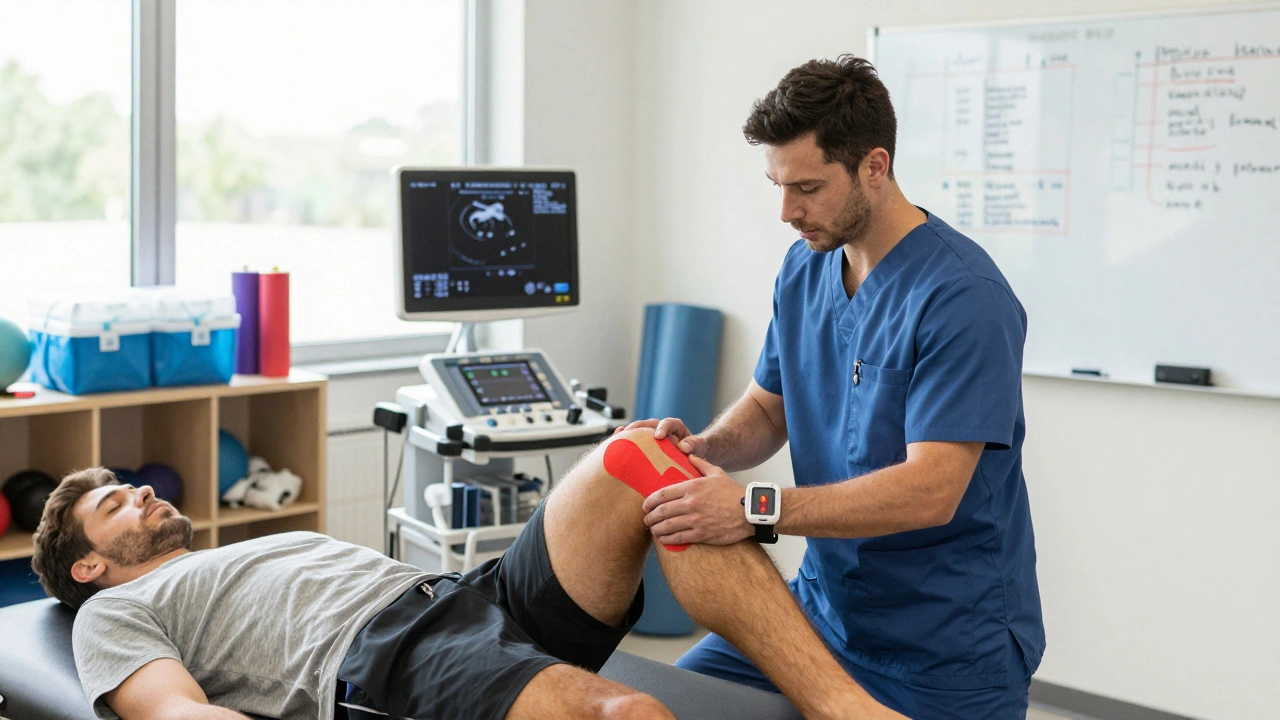
A detailed look at the curriculum for sports medicine and athletic training programs, covering core subjects, clinical training, certification requirements, and career paths for aspiring professionals.