

When you start a course, course policies, the official rules and expectations that guide how learning happens in a class. Also known as learning policies, they’re not just fine print—they’re the hidden framework that determines whether you feel supported or stuck. Good course policies don’t control students; they create space for growth. They answer the questions no one asks out loud: What happens if I’m sick? Can I redo an assignment? Why does attendance matter here? These aren’t arbitrary rules—they’re designed to balance structure with flexibility, especially in online or hybrid environments where trust is harder to build.
Course policies connect directly to other key parts of learning. student expectations, what learners are asked to deliver and how they’re held accountable. Also known as academic standards, they shape how feedback is given and how progress is measured. Without clear expectations, even the best-designed curriculum falls apart. That’s why top courses tie policies to educational guidelines, proven frameworks for fairness, accessibility, and consistent assessment. Also known as instructional design standards, they ensure no student is penalized for reasons outside their control—like tech issues, disabilities, or family emergencies. Think of these as the backbone of ethical teaching. They’re why some instructors let you submit late work with a short penalty, while others require documentation. One isn’t better—it’s just different, and you need to know which one you’re dealing with.
And then there’s course compliance, how students and instructors follow the rules, whether it’s about plagiarism, participation, or using the right tools. Also known as academic integrity practices, it’s not about catching people breaking rules—it’s about making sure everyone understands them. A policy that says "no late submissions" means nothing if students don’t know why. But a policy that explains "we need deadlines to keep the class moving forward, and here’s how to ask for an extension if something comes up"? That builds trust. That’s what separates a syllabus that feels like a contract from one that feels like a roadmap.
You’ll find examples of all this in the posts below. Some break down how to write clear policies that students actually read. Others show how feedback tools and discussion forums rely on solid rules to work well. There are guides on making courses accessible, handling crypto tax reporting in finance courses, and even how to design gamified learning without confusing learners. Whether you’re a student trying to understand why your professor won’t bend the rules, or a teacher building a course from scratch, the real goal is the same: create a learning environment that’s fair, clear, and human.
What follows isn’t a list of rules—it’s a collection of real strategies, mistakes, and solutions from instructors and learners who’ve been there. You’ll see what works, what backfires, and how to make your own course policies work for you—not against you.
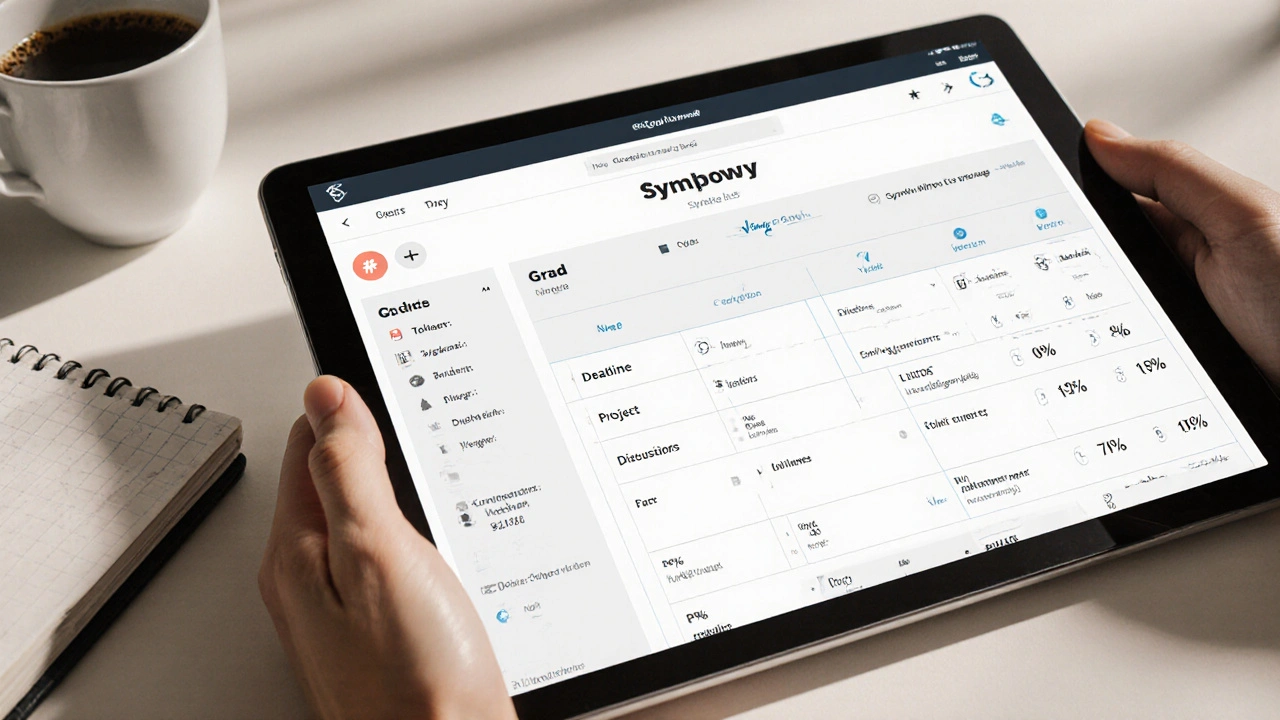
A well-designed online syllabus sets clear expectations, reduces student anxiety, and improves completion rates. Learn how to write policies that are fair, simple, and student-centered.