

When students drop out of online courses, it’s rarely because they’re lazy or unmotivated. More often, they feel lost, overwhelmed, or alone. Dropout prevention, the practice of keeping learners enrolled and engaged through intentional design and support. It’s not about stricter deadlines or more assignments—it’s about creating a learning environment where people feel seen, supported, and capable. This isn’t theoretical. Studies from universities and edtech platforms show that students who feel connected to their peers and instructors are up to 70% more likely to finish a course. And the biggest red flag? Silence. When a student stops posting, responding, or logging in, that’s your first warning sign—not their final grade.
Student engagement, the level of attention, curiosity, and emotional investment learners show in their education. It’s the engine behind course retention, how many learners complete a program from start to finish. You can’t force engagement, but you can design for it. Weekly AMAs, student-led demos, and sharing small wins—like those used in successful course communities—build momentum. These aren’t fluff. They’re rituals that turn passive viewers into active participants. And when students start seeing themselves as part of a group, not just a username, they’re less likely to walk away. Meanwhile, student wellness, the mental and emotional health of learners navigating remote education. Burnout isn’t a buzzword—it’s a leading cause of dropouts. Online learning can feel isolating. Without the casual chats before class or the energy of a physical classroom, students can spiral into anxiety or loneliness. Simple fixes—like encouraging daily check-ins, offering mental health resources, or just reminding learners it’s okay to take a break—make a huge difference.
Good dropout prevention doesn’t require a big budget. It’s about consistency, not complexity. Clear syllabi reduce anxiety. Gentle feedback in language courses keeps students from quitting out of fear. Accessible design ensures no one feels left behind. And when learners know their progress is being tracked with care—not just for grades, but for human connection—they stick around. The posts below show you exactly how real educators and course designers are doing this right. From community calendars that build rhythm to mental health rituals that actually help, you’ll find actionable ideas that work in the real world—not just in theory.
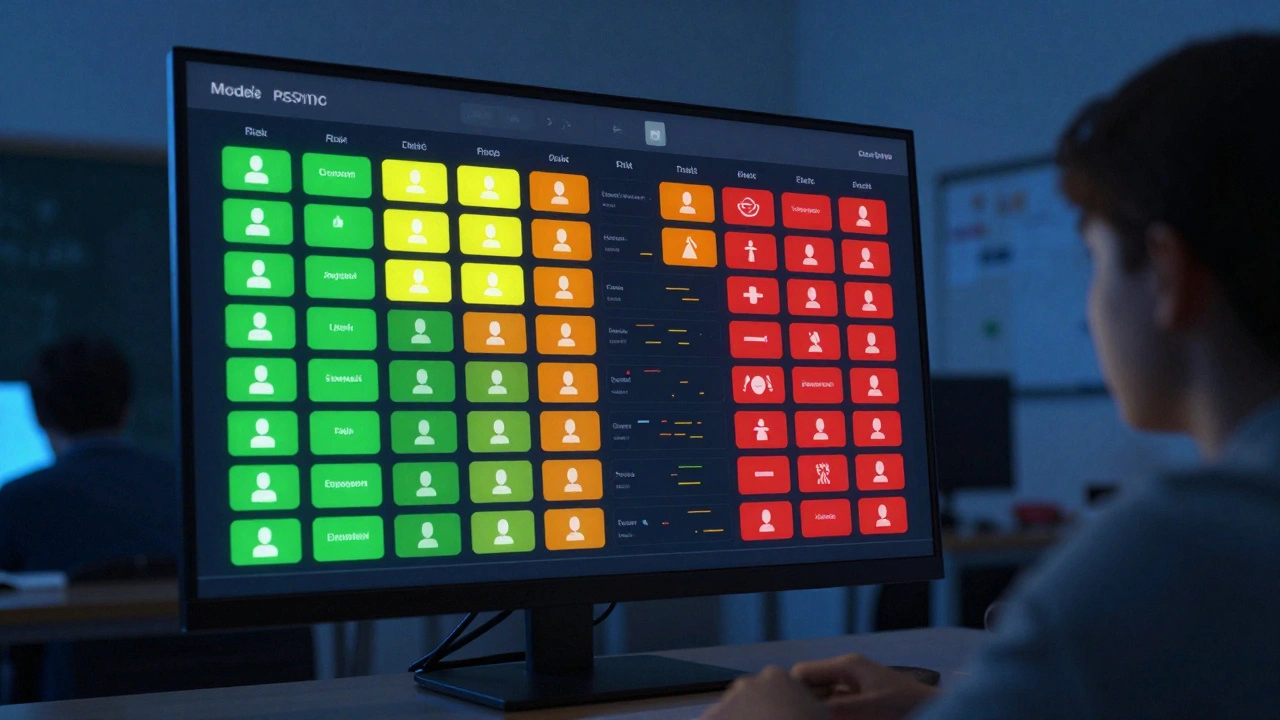
Real-time monitoring of learner activity uses behavioral data to spot students at risk of dropping out before they give up. Schools using these systems report higher retention and more timely support.