

When we talk about inflation control, the set of policies and actions governments and central banks use to manage rising prices and stabilize purchasing power. It’s not just about grocery bills or gas prices—it’s about whether you can afford to go back to school, buy new art supplies, or take a semester off to focus on your writing. For artists, writers, and educators, inflation control isn’t a distant economic theory. It’s the quiet force deciding if you can pay rent while finishing your thesis, or if you have to pick up three part-time jobs instead of applying to that MFA program you’ve dreamed about.
Higher inflation means tuition hikes, pricier materials, and fewer grants. Schools that once offered full funding now expect students to cover more themselves. Teaching assistants who used to live on stipends now need side gigs just to keep up. And when education funding, the financial support provided by institutions, governments, or grants to help students pursue higher education shrinks, the people who need it most—those without family wealth or safety nets—get pushed out. Meanwhile, cost of living, the amount of money needed to sustain a certain standard of living in a specific location, including housing, food, transportation, and healthcare climbs faster than wages, especially in cities where top MFA programs cluster. That’s why you see more artists working remote gigs, teaching online courses, or launching small creative businesses just to stay afloat.
But inflation control isn’t all bad news. It’s also pushing institutions to rethink how they support creatives. More programs are offering hybrid formats, stipends tied to real living expenses, and partnerships with local businesses to reduce overhead. Online learning tools, like those covered in posts about remote video production and just-in-time learning, are becoming essential—not just for convenience, but for survival. When you can’t afford to move across the country, you learn to build a career where you are. And that’s changing what an MFA even looks like.
Below, you’ll find real stories and practical guides from people who’ve navigated this shift. Whether it’s how to stretch a tight budget while finishing your portfolio, or how to design courses that work for students facing financial stress, these posts don’t sugarcoat it. They show you how to adapt, survive, and still create—no matter what the economy throws at you.
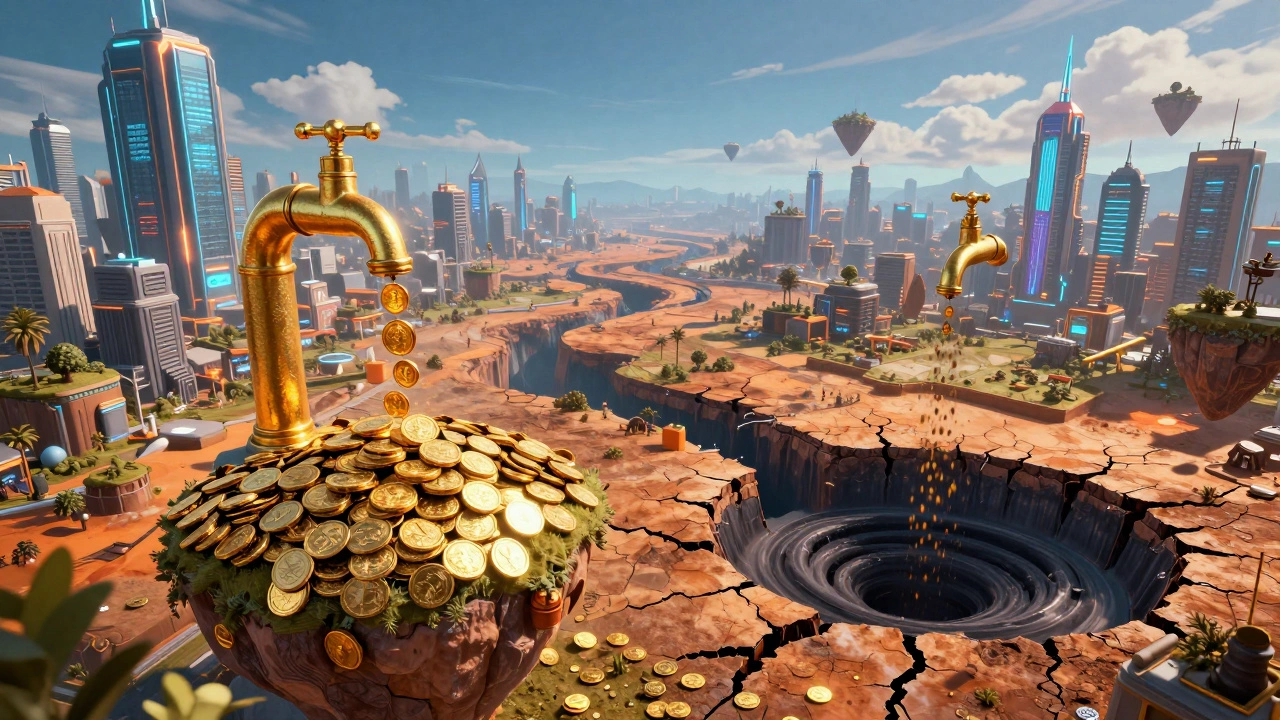
Metaverse economies collapse when inflation isn't controlled. Learn how to design sustainable virtual economies using sinks, dual-token systems, and intrinsic rewards that keep players engaged - not exploited.