

When you teach online, you can’t see students nodding along or glazing over. That’s where learner activity monitoring, the practice of collecting and analyzing data on how students interact with course materials. It’s not about surveillance—it’s about understanding who needs help before they give up. Without it, you’re teaching in the dark. You might think everyone’s keeping up, but if 40% of students never open a video or skip discussion posts, your course isn’t working for them.
Learning analytics, the system behind learner activity monitoring, turns clicks, logins, and submission times into actionable insights. Tools like LMS platforms use this data to show which modules students struggle with, how long they spend on readings, or if they’re revisiting content before assignments. This isn’t just for admins—it’s for instructors who want to adjust pacing, restructure content, or reach out to at-risk learners before they drop out. A study from the University of Michigan found that courses using real-time activity dashboards saw a 22% increase in completion rates simply because teachers intervened earlier.
Student engagement, the real goal behind tracking activity, isn’t measured by how many videos are watched—it’s measured by how often students return, contribute, and apply what they’ve learned. High engagement doesn’t mean constant screen time. It means showing up for AMAs, posting thoughtful replies in forums, or submitting drafts early. That’s why the posts below focus on rituals like weekly wins, discussion moderation, and feedback loops—not just data collection. You don’t need fancy software to spot disengagement. Sometimes it’s as simple as noticing someone hasn’t logged in for two weeks.
And it’s not just about students. Instructors use learner activity monitoring to test new designs. Did that new quiz format improve retention? Did switching from long lectures to microlessons boost completion? The data tells you. It also reveals hidden gaps—like when accessibility issues keep learners from accessing content, or when time zone differences make live sessions impossible for half the class. That’s why posts on accessibility statements, remote video production, and LMS pilot testing all tie back to this same idea: learner activity monitoring isn’t a feature. It’s the foundation of good teaching in the digital age.
What follows are real examples of how educators, course designers, and platform teams are using this data to fix problems before they become failures. You’ll find tools that track participation, strategies that turn passive viewers into active learners, and frameworks that help you ask the right questions—not just collect numbers. Whether you’re running a small online course or managing a full LMS, the insights here will help you teach smarter, not harder.
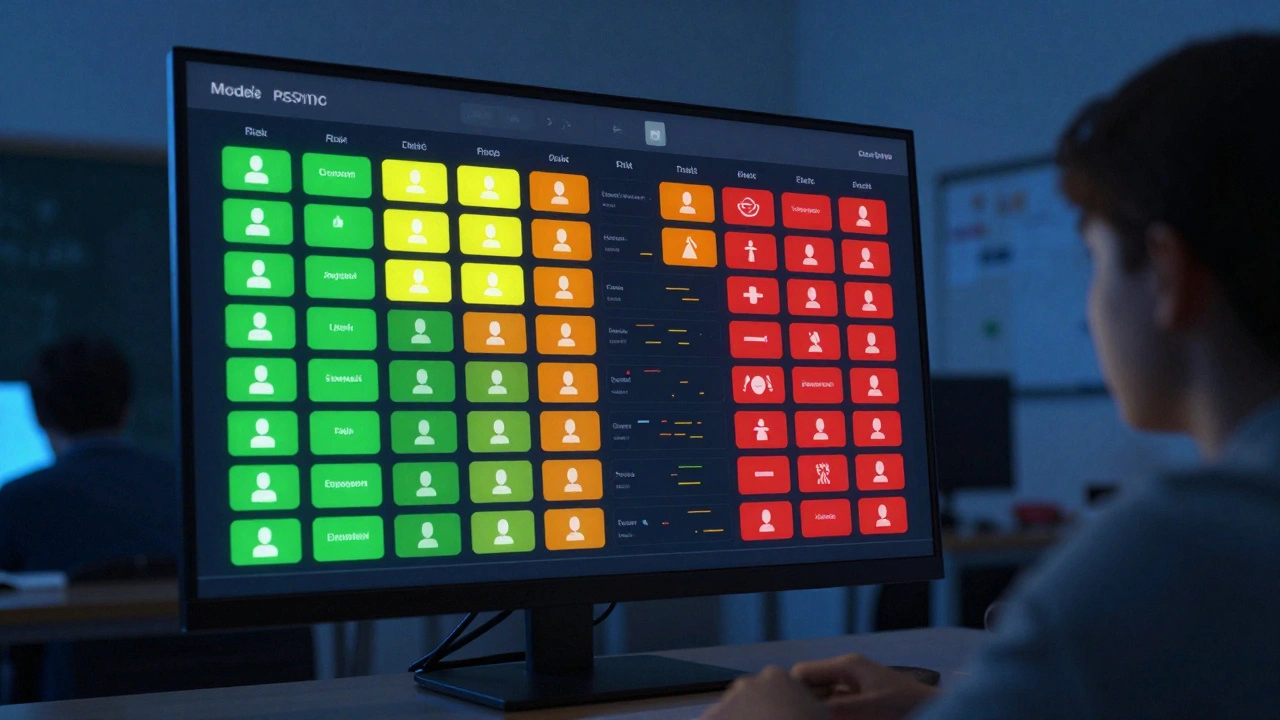
Real-time monitoring of learner activity uses behavioral data to spot students at risk of dropping out before they give up. Schools using these systems report higher retention and more timely support.