

When you take an online course, whether it’s for graphic design, web development, or creative writing, chances are you’re using a learning management system, a software platform that delivers, tracks, and manages educational content and learner progress. Also known as an LMS, it’s the backbone of everything from university classes to corporate training — and it’s not just a place to upload videos. Think of it as the digital classroom where assignments live, quizzes get graded, discussions happen, and progress gets recorded. Without it, most online learning would be a mess of scattered files and forgotten deadlines.
Modern learning management systems, platforms that organize and deliver structured learning experiences don’t just host content — they enable interaction. They support SCORM standards, a set of technical rules that let course content work across different platforms by tracking completion and scores, so your progress follows you whether you’re on a laptop or tablet. They also make room for microlearning, short, focused lessons designed to fit into busy schedules and boost retention, and tools like discussion forums, spaces where learners ask questions, share ideas, and build community. These aren’t add-ons — they’re what turn passive viewing into active learning.
Behind the scenes, an LMS connects to real-world outcomes. It helps instructors see who’s falling behind, lets students revisit lessons on mobile, and gives organizations proof that training actually stuck. That’s why companies use it to reduce turnover, schools use it to improve completion rates, and artists use it to share portfolios with peers. Whether you’re building a course or taking one, the LMS is the invisible engine making it all work — quietly, reliably, and at scale.
Below, you’ll find real guides on how to design courses that work within these systems, how to keep learners engaged, how to measure success, and how to fix common problems — all grounded in what actually happens when people learn online.

Explore how modern sales enablement programs differ from traditional training and drive revenue growth for enterprise teams using technology and data.
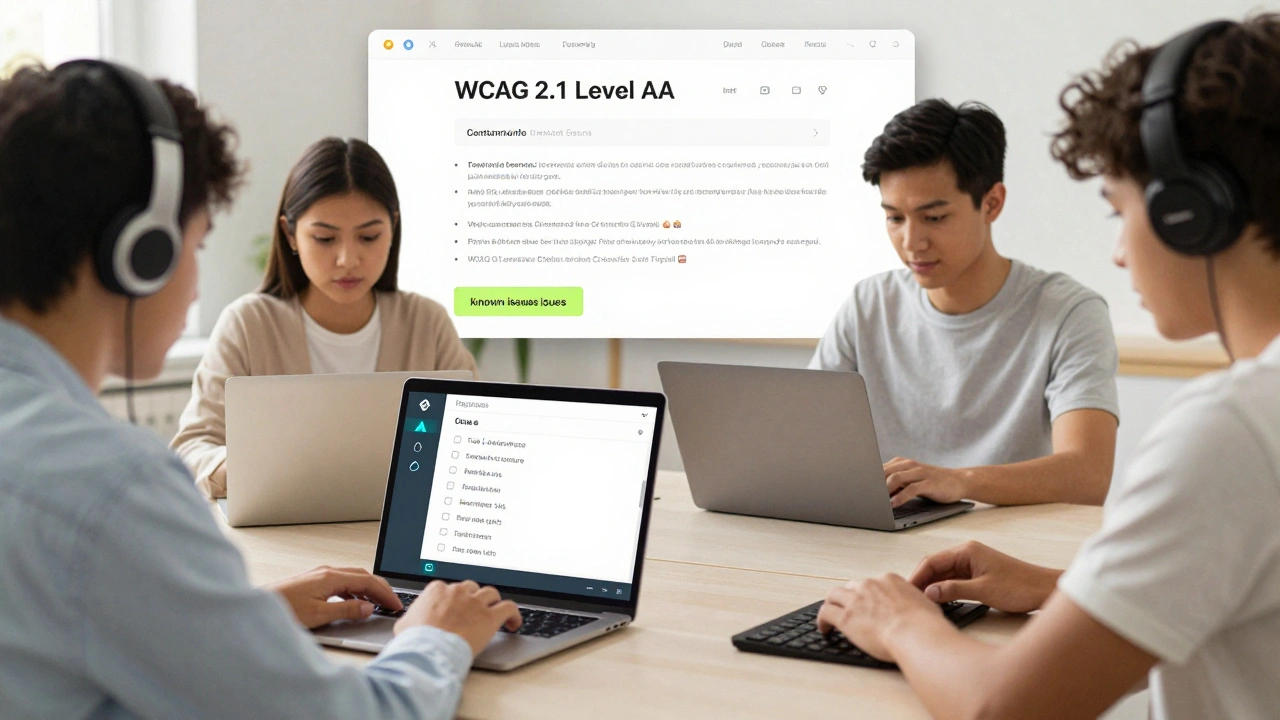
An accessibility statement for courses and LMS platforms isn't optional-it's a legal and ethical requirement. Learn what to include, how to audit your content, and why transparency matters more than perfection.

Running a pilot program for an LMS helps you test real-world use before buying. Learn how to choose platforms, gather data from teachers and students, and make a smart decision based on actual usage-not vendor claims.