

When you hear LMS compliance, the set of technical and functional rules that ensure a learning management system works correctly with course content and tracks learner progress. Also known as eLearning compatibility, it means your course doesn’t break when uploaded, grades update automatically, and students can pick up where they left off—no matter what device or platform they’re using. This isn’t just IT jargon. If your LMS isn’t compliant, your courses might load slowly, fail to record completion, or lose quiz scores. That’s not just frustrating—it’s costly.
LMS compliance isn’t one thing. It’s a mix of standards, tools, and practices. SCORM standards, a set of technical rules that let course content communicate with any LMS. Also known as Sharable Content Object Reference Model, it’s the old but still widely used backbone for tracking progress, scores, and time spent. Then there’s xAPI (Experience API), a more modern system that tracks learning across apps, devices, and even real-world activities like simulations or fieldwork. Also known as Tin Can API, it lets you know not just if someone finished a module, but how they used a tool, watched a video, or practiced a skill outside the LMS. And don’t forget accessibility—courses must work for everyone, including those using screen readers or keyboard-only navigation. That’s part of compliance too.
Why does this matter to you? Because if you’re choosing an LMS, you’re not just picking software—you’re picking a system that either supports your goals or fights them. A platform that claims to be "easy to use" but doesn’t support SCORM 2004 won’t track your certification courses properly. One that ignores accessibility rules could leave students behind—and put you at legal risk. Real-world testing, like the pilot programs mentioned in our posts, shows that vendors often overpromise. What works in a demo doesn’t always work with real users, real data, and real deadlines.
What you’ll find here aren’t theory-heavy guides. These are real tests, real mistakes, and real fixes from people who’ve been there. You’ll see how to run a pilot that actually tells you what’s broken. How to spot a fake compliance claim. How to make sure your courses don’t disappear into a black hole when uploaded. And how to choose a system that doesn’t just check boxes—but actually helps learners succeed.
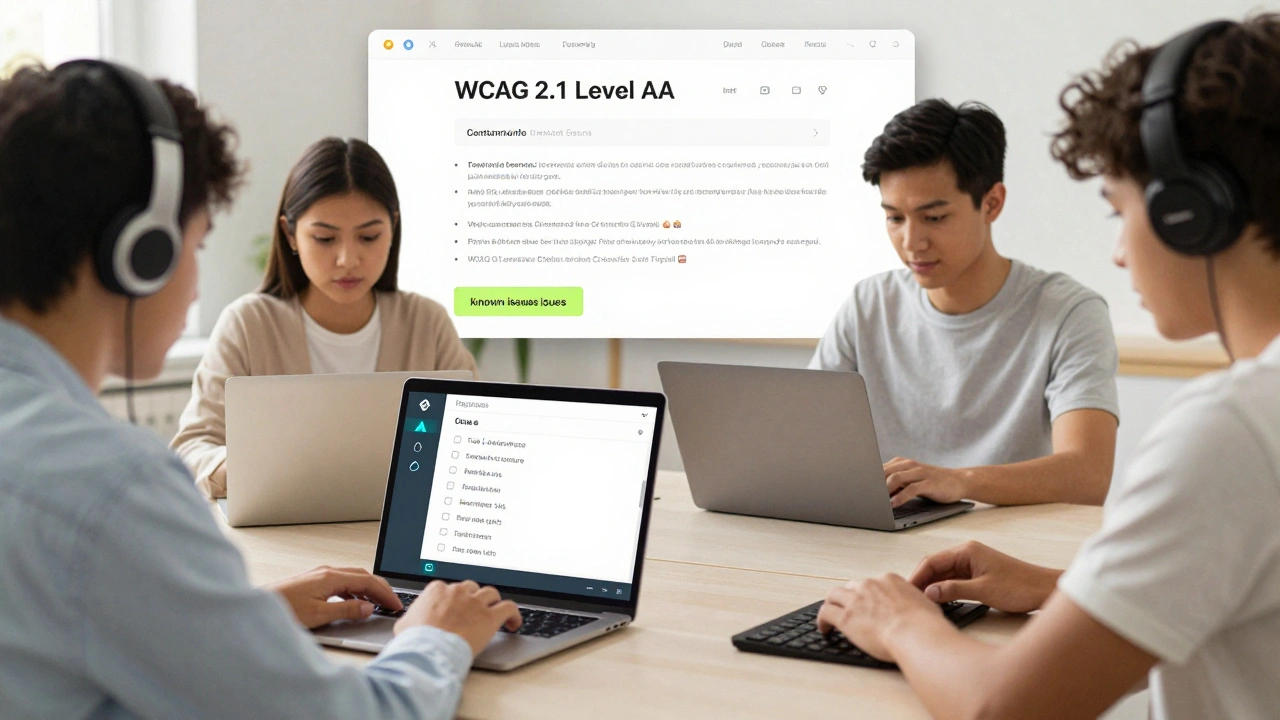
An accessibility statement for courses and LMS platforms isn't optional-it's a legal and ethical requirement. Learn what to include, how to audit your content, and why transparency matters more than perfection.