

When you teach online, you’re not just moving your lecture to a screen—you’re building a new kind of learning environment. online teaching expectations, the set of responsibilities, boundaries, and outcomes that define success in remote education. Also known as virtual classroom norms, these expectations shape how students learn, how instructors stay sane, and whether a course actually sticks. It’s not about how many hours you log or how fancy your slides are. It’s about consistency, clarity, and connection—three things that separate good online teaching from burnout.
Students expect you to be present, even if you’re not on camera. They want timely feedback, clear deadlines, and a space where they feel safe to ask questions. That’s why online course design, the structure behind how lessons are organized, paced, and assessed in digital spaces matters more than ever. A poorly organized module confuses learners faster than a bad Wi-Fi connection. And remote education, the broader system of delivering instruction without physical classrooms isn’t just about tech—it’s about human behavior. People learn differently when they’re alone in their room at 11 p.m. than they do in a lecture hall at 9 a.m.
What you don’t say often matters more than what you do. If you promise weekly office hours but never show up, trust crumbles. If you assign group work but don’t explain how to collaborate online, frustration builds. Successful online teachers set clear rules early: how fast you’ll reply to emails, what tools you use, how participation counts, and what happens when someone falls behind. These aren’t just policies—they’re the invisible framework that holds the whole experience together.
And let’s be honest: most institutions still don’t get it. They treat online teaching like a cheaper version of in-person class, not a different craft entirely. They expect the same workload, same grading pace, same availability—with no extra pay, no training, and no support. That’s why so many instructors burn out. The real expectation? You should be able to teach well without sacrificing your health, your time, or your creativity.
What you’ll find below are real strategies from instructors who’ve cracked this code. From how to run discussion forums that don’t die after week two, to tools that make feedback faster without adding stress, to how to design courses that actually work for people with disabilities or busy schedules. These aren’t theory pieces. These are battle-tested fixes from people who’ve been in the trenches. Whether you’re new to teaching online or you’ve been doing it for years, you’ll find something here that saves you time, reduces frustration, and makes your students actually learn.
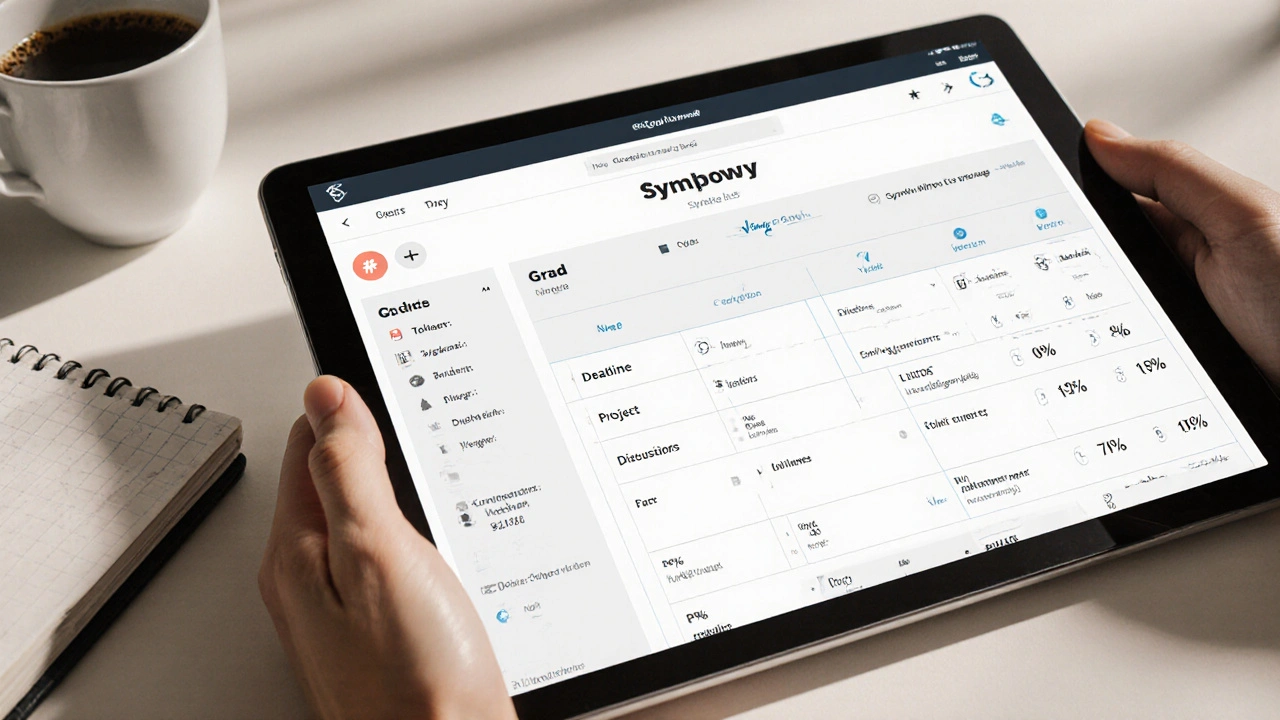
A well-designed online syllabus sets clear expectations, reduces student anxiety, and improves completion rates. Learn how to write policies that are fair, simple, and student-centered.