

When you take a packaging course, a structured program that teaches how to design, develop, and evaluate product containers for commercial use. Also known as packaging design education, it blends art, engineering, and marketing to solve real problems: keeping products safe, standing out on shelves, and reducing waste. This isn’t just about pretty boxes—it’s about making sure your product survives shipping, grabs attention in a crowded store, and speaks to the buyer before they even touch it.
Most packaging design, the process of creating physical or digital containers that protect, inform, and promote products courses cover materials like recycled cardboard, bioplastics, and vacuum-sealed films. You’ll learn how product packaging, the physical enclosure or wrapping used to contain and protect goods for sale affects everything from shipping costs to customer unboxing experiences. Think about how Amazon’s minimalist boxes cut down on void fill, or how a luxury perfume bottle uses weight and texture to feel expensive. These aren’t accidents—they’re designed choices taught in real packaging courses.
You’ll also dig into packaging materials, the substances and components used to construct product containers, including paper, plastic, glass, metal, and composites and their environmental impact. Schools now require students to evaluate carbon footprints, recyclability, and supply chain logistics—not just aesthetics. And with e-commerce booming, packaging innovation, the development of new packaging solutions that improve functionality, sustainability, or consumer experience is no longer optional. Brands need packaging that works for online shipping, returns, and social media unboxings—all at once.
What you’ll walk away with isn’t just theory. You’ll learn how to prototype, test durability, print labels that meet legal standards, and choose colors that trigger the right emotions. You’ll see how a snack bag’s tear notch saves time, or how a medicine bottle’s child-resistant cap saves lives. These details matter. And the best packaging courses don’t just show you how to make something look good—they show you how to make something that works, sells, and lasts.
Whether you’re aiming to work for a food brand, launch your own product line, or join a design agency, a packaging course gives you the tools to turn a simple container into a silent salesperson. Below, you’ll find real guides, case studies, and breakdowns from professionals who’ve done this work—no fluff, just what works in the field today.
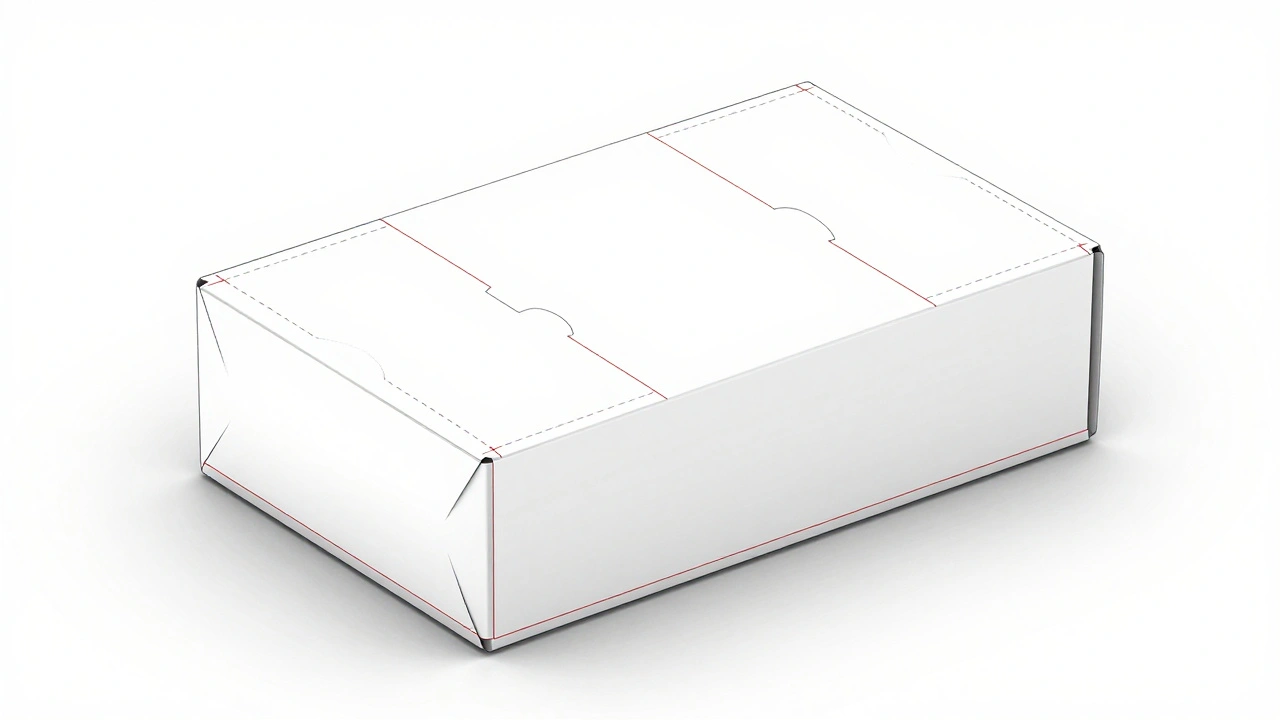
Learn how to design packaging that works-dielines that print right, mockups that feel real, and sustainable materials that customers trust. No fluff, just real skills for real products.