

When you pick up a bottle of soda, a box of cereal, or a lipstick tube, you’re not just handling a container—you’re interacting with packaging design, the strategic blend of visual art, function, and psychology used to attract, inform, and convince buyers. Also known as product packaging, it’s the first and often only chance a brand has to make a lasting impression before the product is even used. This isn’t about pretty labels or shiny foil. It’s about decisions: Why is this bottle shaped like a teardrop? Why does this cereal box feel heavier than it should? Why does the toothpaste tube have that ridged grip? Every choice is intentional, and every choice affects whether you buy it, keep it, or toss it.
Brand identity, the visual and emotional fingerprint of a company lives in packaging. Think of Apple’s minimalist white box or Coca-Cola’s iconic contour bottle—these aren’t accidents. They’re built to be instantly recognizable, even from across the room. Good packaging doesn’t just hold a product; it carries the story of the brand. It signals quality, sustainability, luxury, or fun—sometimes all at once. And it does this without saying a word. That’s why visual communication, the practice of conveying messages through images, typography, color, and layout is so critical here. It’s not just design—it’s silent selling.
And it’s not just about looking good. Packaging has to work. It protects the product during shipping. It opens easily but stays sealed until use. It fits on shelves, in bags, in fridges. It’s made from materials that can be recycled—or better yet, reused. Today’s best packaging design balances beauty with practicality, and that’s where creativity meets real-world problem solving. This is exactly why so many MFA graduates in graphic design, industrial design, and even fine arts end up working in packaging. They’re not just artists—they’re strategists who understand how people think, feel, and decide.
What you’ll find in the posts below aren’t theory-heavy lectures or outdated trends. These are real, practical examples of how packaging design works in the wild—how it connects to user behavior, how it’s taught in modern design programs, and how it intersects with broader creative fields like UI design, brand storytelling, and even remote collaboration tools used by global design teams. Whether you’re a student wondering if an MFA will lead you here, or a designer looking to sharpen your edge, this collection gives you the grounded, no-fluff insights you actually need.
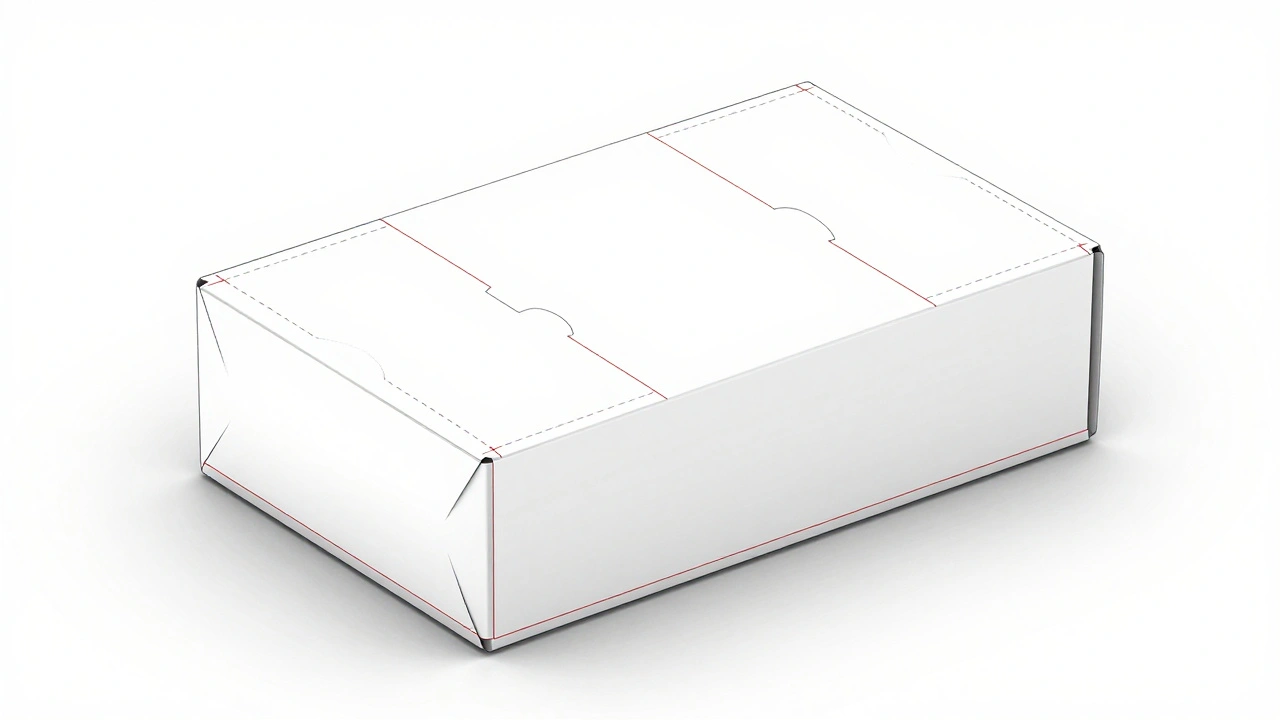
Learn how to design packaging that works-dielines that print right, mockups that feel real, and sustainable materials that customers trust. No fluff, just real skills for real products.