

When you hear real-time student tracking, the continuous collection and analysis of learner activity to inform teaching decisions in the moment. Also known as learning analytics, it’s not about spying on students—it’s about seeing where they’re stuck, excited, or drifting off, so you can help before they give up. This isn’t science fiction. It’s happening right now in online courses, LMS platforms, and hybrid classrooms where tools monitor clicks, time spent, quiz attempts, forum posts, and even video pauses.
Real-time student tracking requires a learning management system that captures data cleanly, and it depends on clear goals. Are you tracking to improve completion rates? To catch students falling behind? To personalize feedback? The best systems don’t just show numbers—they turn them into actions. For example, if a student watches the same 3-minute video five times and skips the quiz, that’s a signal. It doesn’t mean they’re lazy. It means they’re confused. A teacher who sees that can send a quick message: "Hey, that part trips up a lot of people—want to walk through it?" That’s real-time tracking done right.
It also connects directly to student engagement, the level of attention, participation, and emotional investment learners show in their education. Without tracking, you’re guessing. With it, you know who’s silently struggling, who’s binge-learning at 2 a.m., and who’s just clicking through. You can spot patterns: students who post in forums early finish assignments faster. Those who skip demos often fail the final project. These aren’t theories—they’re patterns found in real courses, like the ones in our collection that look at discussion forums, pilot programs, and course evaluation tools.
And it’s not just about data. It’s about trust. The most effective systems are transparent. Students know what’s being tracked and why. They see how their activity leads to better feedback, not worse grades. That’s why accessibility and ethical design matter. If you’re using real-time tracking, you’re also responsible for making sure it doesn’t widen gaps. A student without reliable internet shouldn’t be penalized because their data is spotty. That’s why tools like LMS data, the information collected by learning platforms to measure progress, participation, and performance. need to be paired with human judgment.
What you’ll find in the posts below isn’t a sales pitch for software. It’s a collection of real examples—from how instructors use weekly rituals to build connection, to how pilot programs test LMS platforms before buying, to how feedback tools turn student input into real change. These aren’t abstract ideas. They’re tactics used by teachers who see real-time tracking not as a control mechanism, but as a way to show up for their students—better, faster, and with more care.
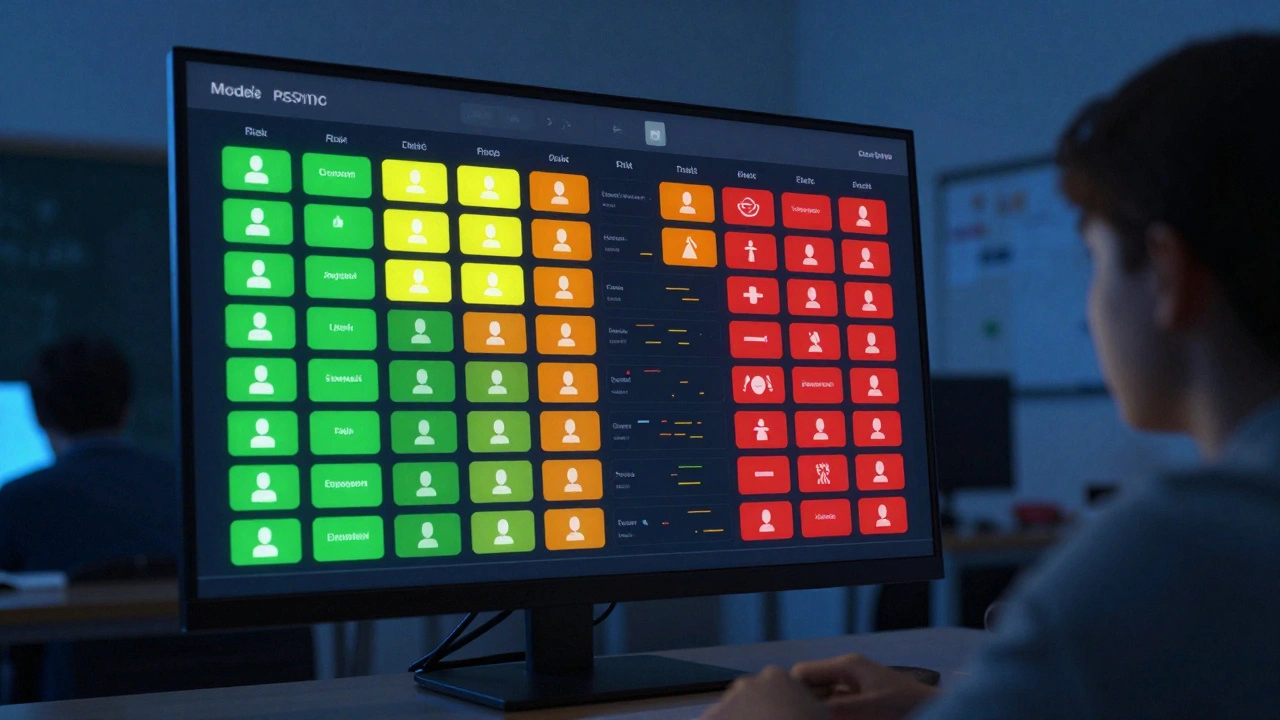
Real-time monitoring of learner activity uses behavioral data to spot students at risk of dropping out before they give up. Schools using these systems report higher retention and more timely support.