

When you're doing remote video production, the process of creating video content without everyone being in the same physical space. Also known as distributed filming, it's how indie filmmakers, educators, and small teams now make high-quality videos without expensive studios or travel. It’s not just about recording on your phone—it’s about planning, syncing, editing, and collaborating across time zones and devices. If you’ve ever tried to get a interviewee to film themselves well, or had a editor struggle with mismatched audio, you know this isn’t magic. It’s a system.
Successful remote video production, the process of creating video content without everyone being in the same physical space. Also known as distributed filming, it's how indie filmmakers, educators, and small teams now make high-quality videos without expensive studios or travel. relies on three things: reliable tools, clear communication, and realistic expectations. You need gear that works on a laptop or phone—like lavalier mics, ring lights, or apps that stabilize shaky footage. You need a shared calendar and a simple file system so your editor doesn’t waste hours finding the right clip. And you need to accept that not everyone can shoot like a Netflix crew. A well-lit kitchen table with good audio beats a dark, noisy studio with bad sound every time.
Many of the tools used in remote video production, the process of creating video content without everyone being in the same physical space. Also known as distributed filming, it's how indie filmmakers, educators, and small teams now make high-quality videos without expensive studios or travel. overlap with learning platforms and digital course design. Think about how online coaching, personalized guidance delivered over video or messaging platforms to help people change careers or build skills. Also known as virtual mentorship, it's become a standard way to teach one-on-one without being in the same room. works—same principles apply. You’re not just sending files. You’re building trust, giving feedback, and guiding people through a process they’ve never done before. That’s why the best remote video teams use weekly check-ins, shared feedback docs, and simple templates for lighting and framing. It’s not about perfection. It’s about consistency.
And it’s not just for artists. Teachers record lessons. Nonprofits film testimonials. Small businesses make product demos. All of them need to tell stories that connect—even when the crew is scattered across the country. That’s where video storytelling, the craft of using moving images and sound to convey emotion, information, or a message in a compelling way. Also known as narrative video, it's the backbone of everything from YouTube channels to corporate training. matters. A good story doesn’t need a big budget. It needs a clear beginning, a human moment, and a reason to keep watching. The tools just help you capture it.
What you’ll find below are real guides from creators who’ve been there. From how to set up a home studio on a $200 budget, to how to sync audio from three different phones, to how to get your client to stop filming in front of a busy window. No fluff. No theory. Just what works when you’re working alone, on a deadline, and with no crew.
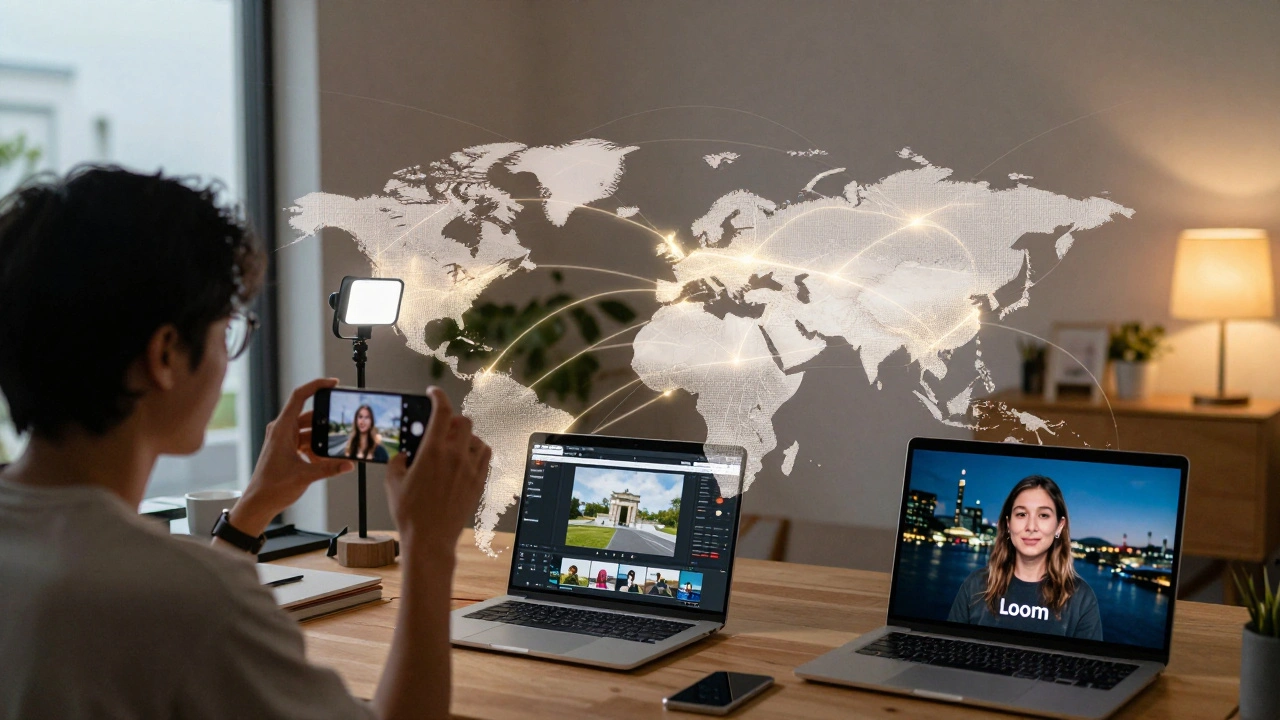
Learn how distributed teams produce professional videos without a studio. Tools, workflows, and real tips for filming, editing, and collaborating remotely across time zones in 2025.