

When we talk about risk alerts in education, systematic warnings designed to identify threats to student safety, well-being, or learning outcomes. Also known as early warning systems, they’re not just for lockdowns or cyberattacks—they’re for the quiet drops in attendance, the sudden silence in discussion forums, the student who stops turning in work. Most schools wait for a crisis before acting. But the best ones use risk alerts to catch problems before they explode.
These alerts connect to student safety, the broad set of physical, emotional, and digital protections needed for learners to thrive. A student struggling with anxiety might not scream for help—but their missed assignments, late logins, or withdrawn behavior can trigger a system. That’s why tools like learning management system, digital platforms that track student activity, submissions, and engagement are now part of the early warning toolkit. Platforms like Moodle or Canvas don’t just host lectures—they log patterns. A student who used to post daily in forums and now stays silent? That’s a signal. Not a panic, but a nudge.
And it’s not just about mental health. educational compliance, the legal and ethical obligation to protect students under laws like FERPA and ADA forces schools to document risks. But compliance isn’t the goal—outcomes are. A well-designed alert system doesn’t just check boxes; it connects teachers to counselors, parents to resources, and students to support before they fall through the cracks. Think of it like a smoke alarm for learning: it doesn’t prevent the fire, but it gives you time to act.
What’s missing in most schools? Integration. Alerts sit in silos—attendance in one system, grades in another, counseling notes in a folder. Real progress happens when these systems talk. That’s why pilot programs testing LMS platform, the digital backbone of modern classrooms for risk detection are gaining traction. One high school in Ohio cut student dropouts by 30% in a year by linking LMS data with counselor check-ins. No fancy AI. Just consistent data + human follow-up.
And let’s be clear: risk alerts aren’t surveillance. They’re care systems. They don’t track every click—they watch for meaningful shifts. A student who suddenly stops logging in for two weeks? That’s not laziness. That’s a cry for help. The best schools treat those signals like urgent messages—not data points.
Below, you’ll find real guides from educators and designers who’ve built these systems from the ground up. You’ll see how to turn vague concerns into clear actions, how to use simple tools to spot hidden risks, and how to protect students without invading their privacy. These aren’t theory pieces. They’re field reports from schools that stopped waiting for disasters—and started preventing them.
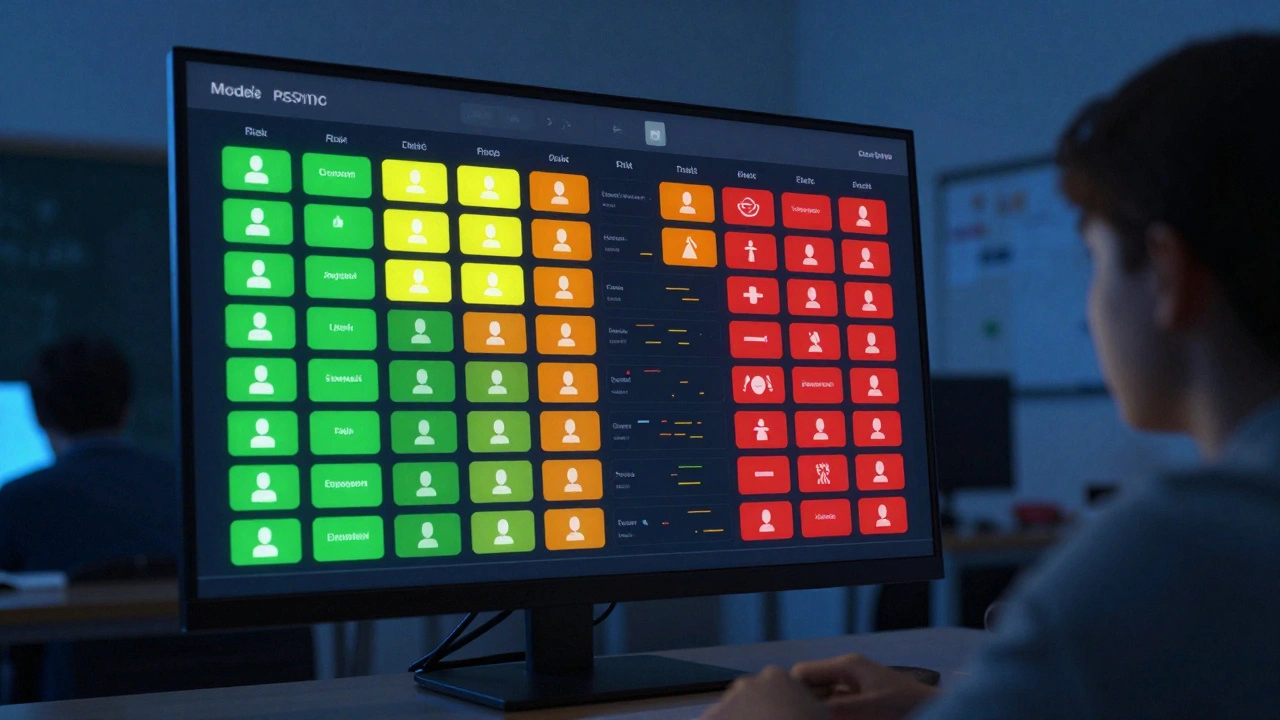
Real-time monitoring of learner activity uses behavioral data to spot students at risk of dropping out before they give up. Schools using these systems report higher retention and more timely support.