

When you think about sports medicine education, the specialized training that teaches how to prevent, diagnose, and treat sports-related injuries. Also known as athletic training education, it’s not just about taping ankles—it’s about understanding how the body moves under stress, how to rebuild strength after injury, and how to keep athletes performing at their best. This field blends science with hands-on care, and it’s growing fast as more people—from high school athletes to weekend warriors—seek smarter ways to stay active without getting hurt.
Sports medicine education isn’t just for doctors. It’s for athletic trainers, certified professionals who work directly with teams and individuals to manage injury risk and recovery, for physical therapists, who help restore movement after surgery or trauma, and even for coaches who want to understand the limits of the human body. You’ll learn exercise physiology, how muscles respond to training and fatigue, how to read biomechanics, and how to design safe return-to-play plans. It’s not theory—it’s real-time decision-making under pressure. A single misstep in rehab can cost an athlete their season. That’s why good training matters.
What you won’t find in most programs is a one-size-fits-all approach. The best courses teach you to adapt—whether you’re working with a college football player, a marathon runner, or a teen gymnast. You’ll need to know when to push and when to hold back. You’ll learn to spot early signs of overuse before it becomes a tear. You’ll understand how nutrition, sleep, and mental load affect recovery. And you’ll learn how to communicate all of this clearly to athletes who just want to get back out there.
There’s a gap between what schools teach and what clinics need. Many new grads struggle because they’ve studied injury treatment but haven’t practiced managing an athlete’s fear, frustration, or ego during recovery. The most valuable programs include real-world rotations—working with teams, shadowing therapists, and running rehab sessions under supervision. That’s the kind of experience that turns knowledge into trust.
Below, you’ll find practical guides on training methods, rehab protocols, and how to build programs that actually work. Whether you’re looking to become a certified athletic trainer, improve your coaching, or understand how to recover smarter from your own injuries, these posts cut through the noise and give you what you need—no fluff, just clear, actionable insights.
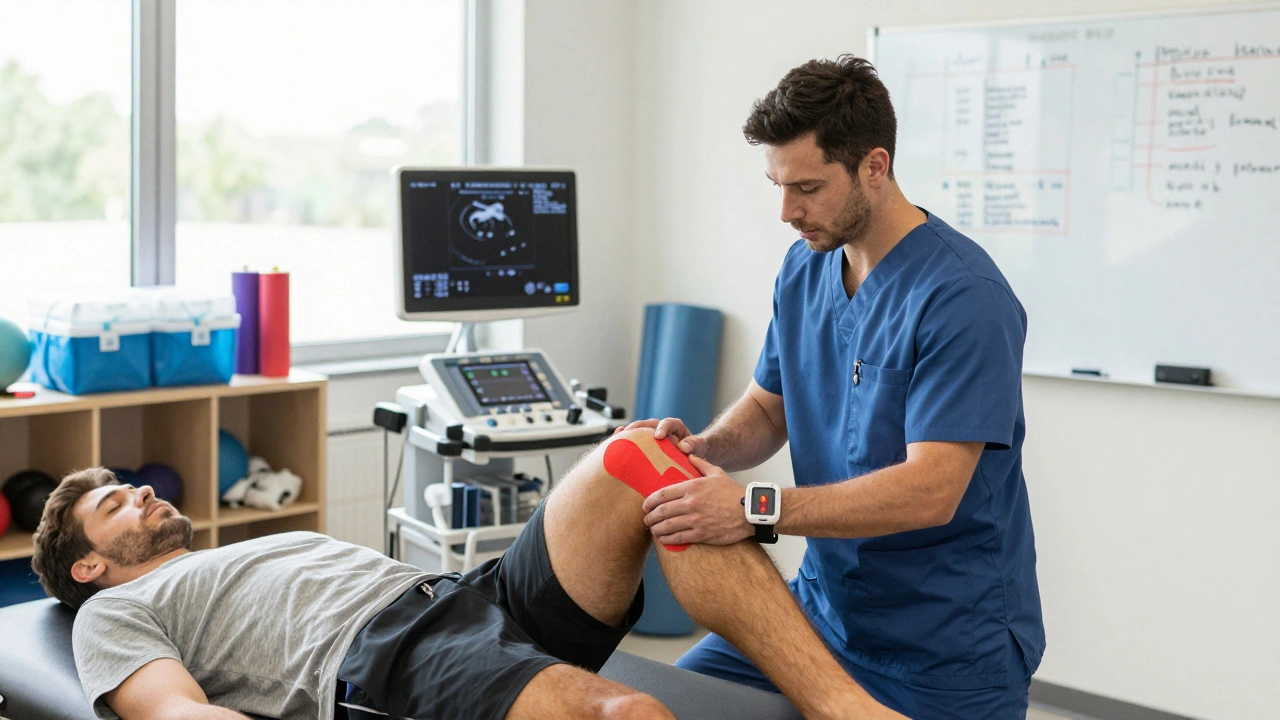
A detailed look at the curriculum for sports medicine and athletic training programs, covering core subjects, clinical training, certification requirements, and career paths for aspiring professionals.