

When you think of sustainable packaging, packaging designed to minimize environmental impact through reuse, recyclability, or biodegradable materials. Also known as eco-friendly packaging, it’s no longer just a trend—it’s a requirement for artists, galleries, and creative businesses that want to stand for something real. It’s not about wrapping your artwork in leaves or calling it green. It’s about making smart choices that reduce waste, cut carbon, and respect the planet—without sacrificing quality or professionalism.
Many artists now ship prints, sculptures, and installations using reusable packaging, containers designed to be returned, cleaned, and used again, like corrugated cardboard boxes with built-in padding that can be sent back via mail. Others switch to biodegradable mailers, packaging made from plant-based materials that break down safely in compost, replacing plastic bubble wrap. Even small studios are asking suppliers for recycled paper tape, adhesive tape made from post-consumer waste that sticks just as well but leaves no plastic residue. These aren’t gimmicks. They’re practical shifts happening in studios from Brooklyn to Berlin.
Why does this matter for creatives? Because your audience cares. People don’t just buy art—they buy values. A gallery that uses plastic foam peanuts looks out of touch. One that ships with mushroom-based insulation looks intentional. The same goes for online course creators, theater producers, and video artists. If you’re building a brand around creativity, your packaging should reflect that. It’s part of your story. And when you choose sustainable materials, you’re not just reducing landfill waste—you’re building trust with collectors, students, and collaborators who want to support responsible art.
You’ll find posts here that show how real people are making this work. From artists who redesigned their shipping process to cut costs by 40%, to educators who teach packaging design as part of their curriculum, to small studios that partnered with local composters to handle their waste. These aren’t theoretical ideas. They’re done. Tested. Proven. Whether you’re an MFA student thinking about your thesis show, a designer building a product line, or a curator shipping fragile installations, the solutions below are practical, affordable, and ready to use.
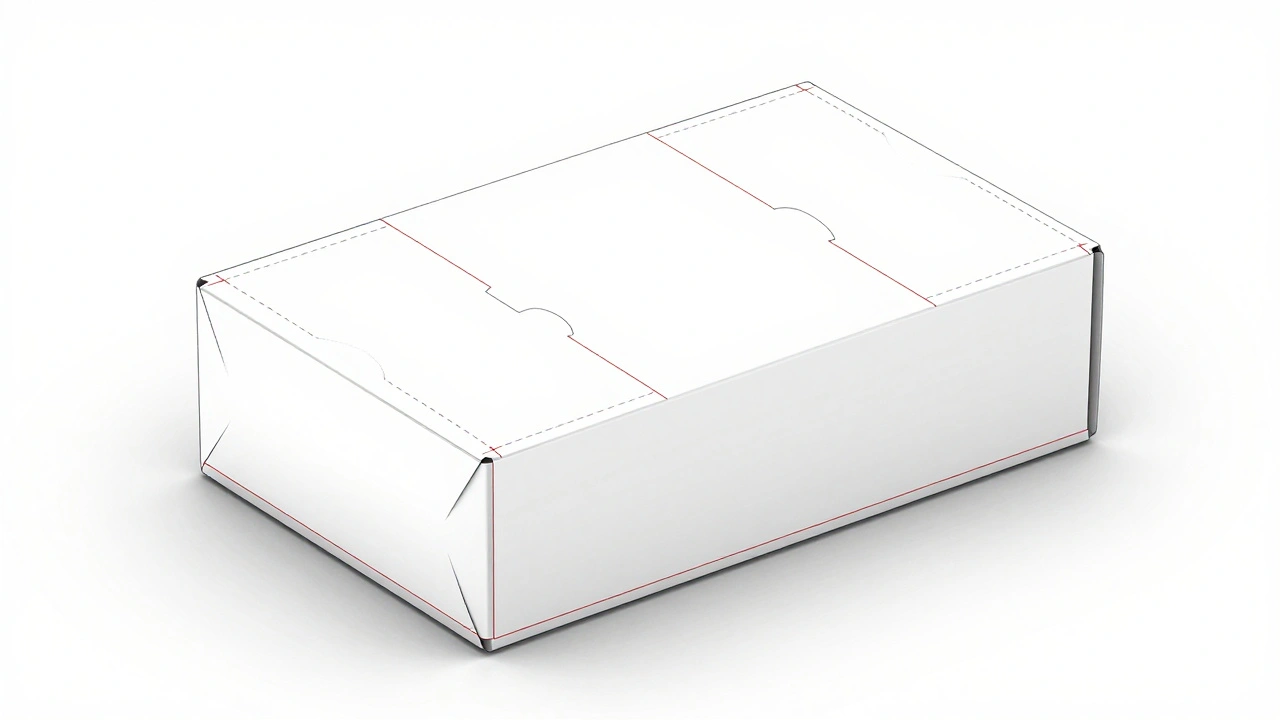
Learn how to design packaging that works-dielines that print right, mockups that feel real, and sustainable materials that customers trust. No fluff, just real skills for real products.