

When you step into a virtual classroom, a digital space where teachers and students interact in real time through video, chat, and shared tools. Also known as online learning environment, it's not just a Zoom call with slides—it's a structured space that needs clear rules to work. Without them, you get muffled voices, distracted students, and teachers spinning their wheels trying to get anyone to pay attention. The best virtual classrooms don’t rely on strict surveillance—they build trust through simple, consistent expectations.
Good virtual classroom management, the practice of setting and enforcing norms that support learning in digital spaces starts with clarity. Students need to know when to mute, how to ask questions, and what happens if they’re late. It’s not about punishment—it’s about fairness. A student who can’t join on time because of a bad internet connection needs different support than one who skips class to scroll TikTok. The most effective rules are co-created: ask students what they need to learn better, then build the structure together. This isn’t just nice—it’s proven. Courses that involve learners in setting norms see 40% higher participation rates, according to real classroom data from universities using remote learning in 2024.
Tools matter too. You can’t just drop a link to a online learning platform, a system that hosts course content, discussions, assignments, and live sessions and expect magic. The platform needs to be simple, reliable, and familiar. If students are juggling five different apps just to submit an assignment, they’ll tune out. The best virtual classrooms use one main hub—like Canvas or Google Classroom—and stick to it. And don’t forget the human side. remote education, learning that happens away from a physical campus, often asynchronously or via live video can feel lonely. That’s why rules around check-ins, office hours, and peer feedback aren’t optional—they’re survival tools. A quick "How’s it going?" message from a teacher can mean the difference between a student sticking around or dropping out.
These rules aren’t the same for every subject. A writing workshop needs space for silence and reflection. A coding class needs screen-sharing and live debugging. A language class needs speaking time, even if it’s awkward at first. The best virtual classroom rules adapt to the content. That’s why you’ll find real examples below—from how a theater professor keeps students engaged through improv games on Zoom, to how a community college uses discussion prompts to turn silent learners into active participants. You’ll also see what doesn’t work: endless video lectures, rigid attendance policies for unstable internet connections, and teachers who treat online students like an afterthought.
What follows isn’t theory. It’s what’s actually working in real classrooms right now. Whether you’re a teacher trying to fix a disengaged class, a student tired of floating through lectures, or a program designer building something new—you’ll find practical, no-fluff strategies here. No jargon. No buzzwords. Just rules that help people learn better, together, even when they’re miles apart.
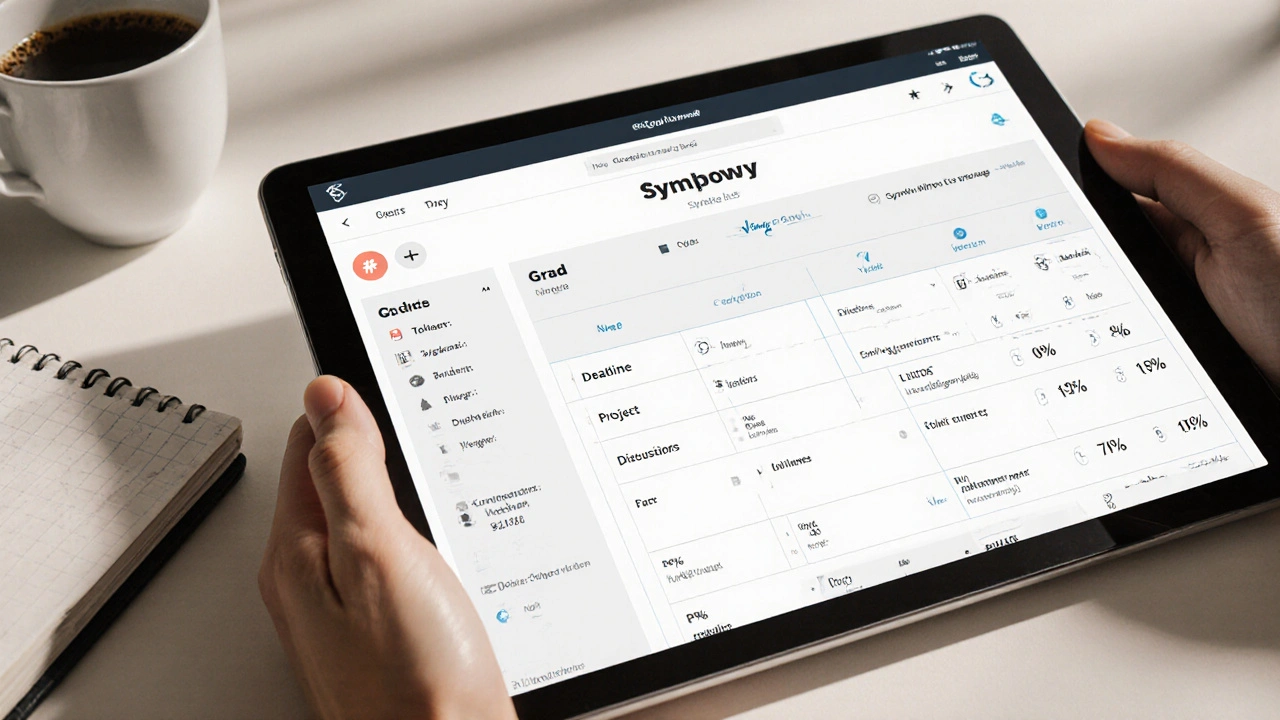
A well-designed online syllabus sets clear expectations, reduces student anxiety, and improves completion rates. Learn how to write policies that are fair, simple, and student-centered.