

When you think about learning analytics, the systematic collection and analysis of data about learners and their contexts to understand and optimize learning. Also known as educational data mining, it’s not about tracking students—it’s about helping them succeed. It’s what happens when a teacher sees that students who watch a 5-minute video before class score 30% higher on quizzes, or when an online course notices that people who post in discussion forums early are twice as likely to finish. This isn’t science fiction. It’s happening right now in classrooms, LMS platforms, and digital learning spaces.
Learning analytics requires tools like LMS analytics, systems that track student progress, login patterns, assignment submissions, and forum activity within learning platforms, and it relies on course evaluation, structured feedback from students that reveals what’s working and what’s falling flat. You can’t fix what you can’t measure. That’s why smart educators use survey tools to catch frustration early, or analyze forum participation to spot students who are slipping away before they drop out. It’s not about surveillance—it’s about care. When you know who’s struggling, you can reach out. When you see what content clicks, you can do more of it.
And it’s not just for big universities. Even small online courses use learning analytics to tweak their pacing, adjust assignments, or redesign modules that feel confusing. The data from tools like Qualtrics and Perusall helps instructors move past guesswork. It shows them that a student who rarely logs in might still be learning through downloads, or that a discussion prompt that gets 20 replies is three times more effective than one that gets five. The goal? Less guesswork, more impact.
What you’ll find here aren’t theoretical essays. These are real, practical guides from teachers and course designers who’ve used learning analytics to fix broken courses, boost completion rates, and make online learning feel human again. You’ll see how to set up a pilot program to test an LMS, how to design feedback surveys that actually get responses, and how to turn engagement data into better teaching decisions—not just reports that sit unread.
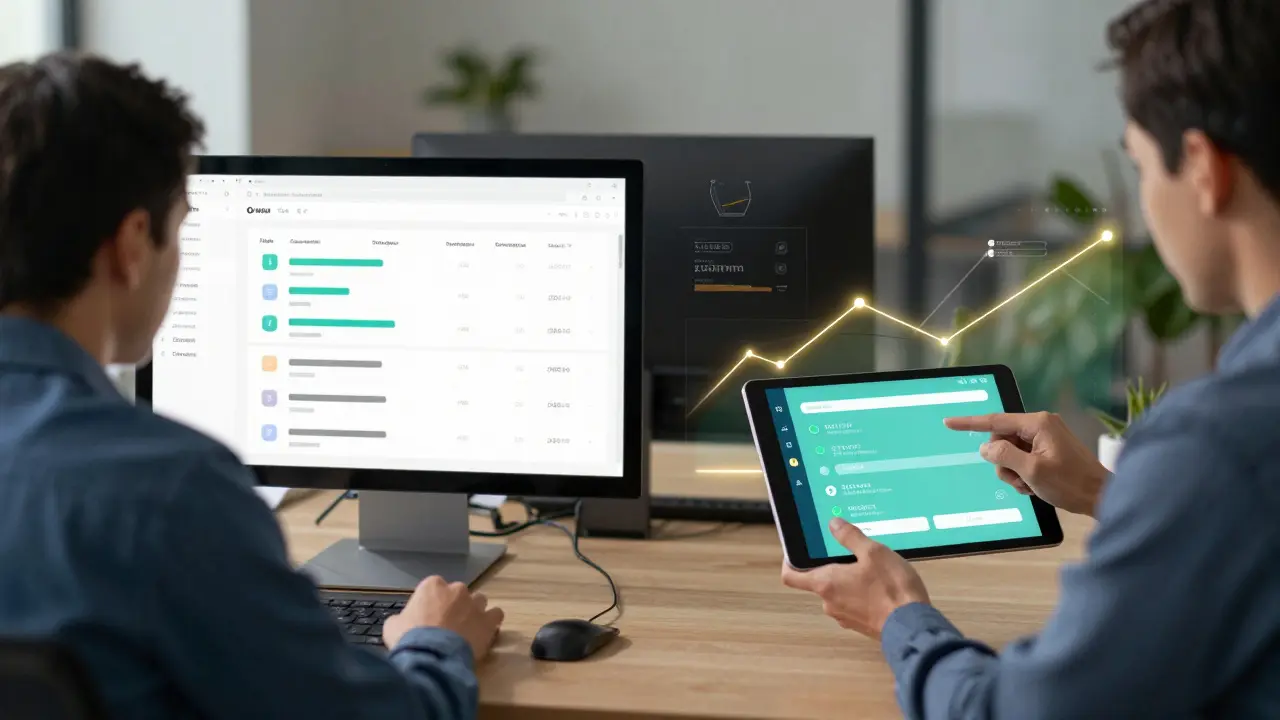
Linking learning analytics to performance KPIs turns training from a checkbox into a growth lever. See how real companies used learner data to boost sales, cut errors, and improve retention-without spending more on training.
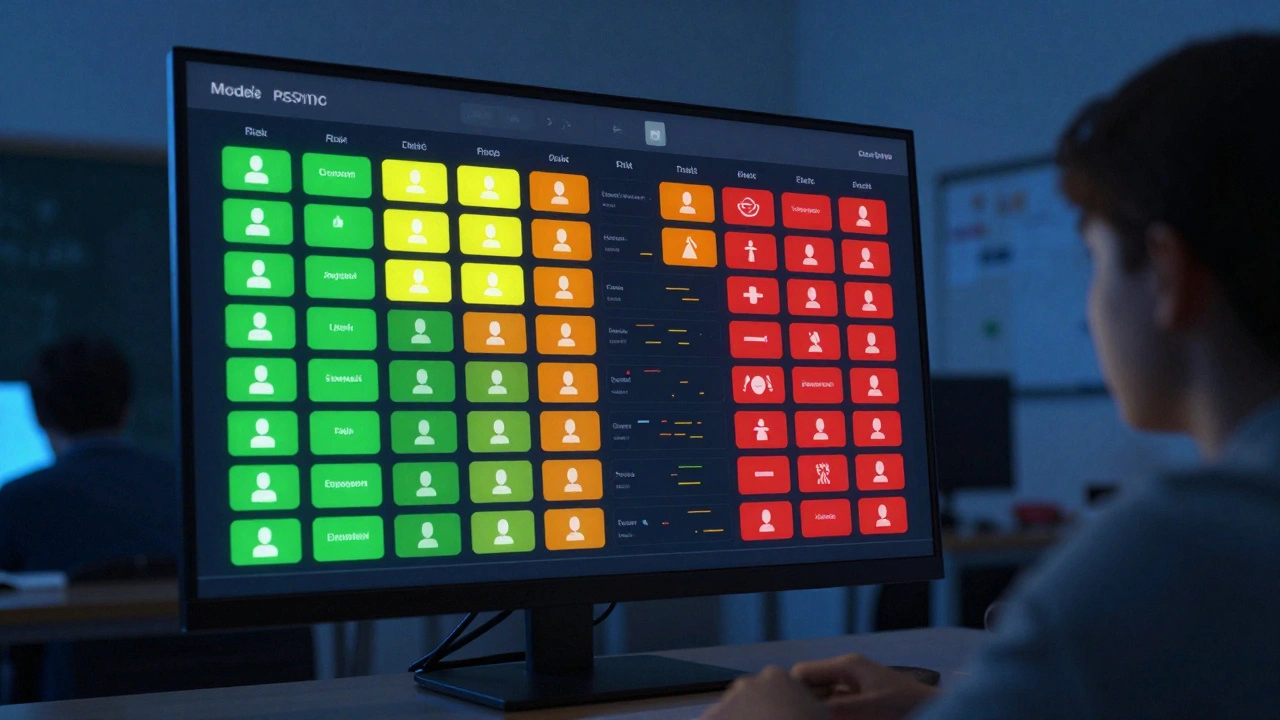
Real-time monitoring of learner activity uses behavioral data to spot students at risk of dropping out before they give up. Schools using these systems report higher retention and more timely support.