

When you're thinking about an MFA degree, a terminal graduate degree in fine arts, creative writing, or visual arts that signals deep specialization and professional commitment. Also known as a Master of Fine Arts, it's not just another diploma—it's a crossroads where passion meets practicality. Many assume it’s the only path to becoming a serious artist or writer, but the truth is messier. The real question isn’t whether it’s valuable—it’s whether it’s right for you, given the costs, time, and alternatives available today.
Admissions committees don’t care about your GPA as much as they care about your voice. A low GPA won’t kill your application if your writing sample or portfolio shows raw talent and clear direction. What they’re really looking for is someone who can grow, take feedback, and keep creating—even when no one’s watching. That’s why MFA admissions, the selective process used by graduate programs to identify promising artists and writers based on creative potential, not just academic records focuses on work, not transcripts. And when it comes to MFA career outcomes, the real-world results graduates experience after finishing their degree, including teaching roles, publishing success, freelance work, or alternative creative paths, the data is mixed. Some land tenure-track jobs. Others teach community workshops, run indie presses, or build careers outside academia entirely. The degree doesn’t guarantee a job, but it often opens doors you didn’t know existed.
The financial burden is real. Tuition, relocation, lost income—these aren’t small numbers. But neither are the intangibles: the time to write without pressure, the access to mentors, the network of peers who become collaborators for life. Some programs offer full funding. Others don’t. And increasingly, artists are asking: Can I build the same growth outside a program? The answer is yes—for some. But for others, the structure, critique, and community of an MFA are irreplaceable.
In November 2025, the conversations around MFA programs have shifted. It’s no longer about prestige or tradition. It’s about clarity. What do you want to create? Who do you want to become? And what are you willing to trade to get there? Below, you’ll find real stories, hard numbers, and practical advice from people who’ve walked this path—whether they finished their degree, walked away, or found a better way.

Learn how to use public relations and press outreach to get real media coverage for your online course - without spending a fortune. Discover how real student stories, targeted pitches, and smart follow-ups can drive sign-ups faster than ads.

Running a pilot program for an LMS helps you test real-world use before buying. Learn how to choose platforms, gather data from teachers and students, and make a smart decision based on actual usage-not vendor claims.

Learn how autonomy, mastery, and purpose drive real student engagement in online courses-and how to design learning experiences that actually stick.

Just-in-time learning delivers quick, targeted training exactly when workers need it - cutting downtime, reducing errors, and boosting confidence. Real examples from healthcare, manufacturing, and sales show how it works.

Discover the top survey and feedback tools for course evaluation in 2025, including Qualtrics, Perusall, and SurveyMonkey. Learn how to design effective surveys, boost response rates, and turn student feedback into real improvements.

Learn how to set up and moderate course discussion forums that boost engagement, deepen learning, and keep students connected. Best practices for structure, participation, and keeping conversations alive.

DeFi compliance in 2025 isn't about forcing KYC on everyone-it's about smart alternatives like zero-knowledge proofs, reputation systems, and optional verification. Discover how protocols are balancing regulation with decentralization.

Metaverse economies collapse when inflation isn't controlled. Learn how to design sustainable virtual economies using sinks, dual-token systems, and intrinsic rewards that keep players engaged - not exploited.

Change management training helps organizations lead teams through transitions by building trust, addressing fears, and creating ownership. Learn how to design training that sticks and avoid common pitfalls that derail change.
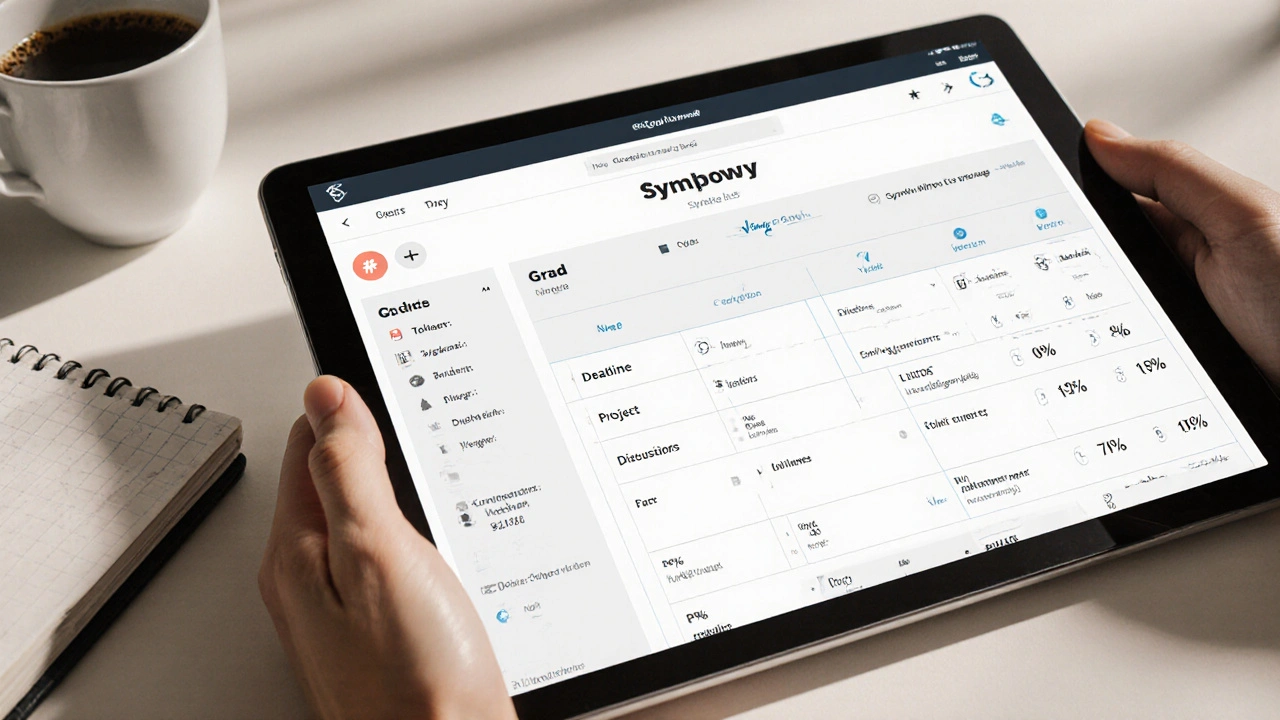
A well-designed online syllabus sets clear expectations, reduces student anxiety, and improves completion rates. Learn how to write policies that are fair, simple, and student-centered.

Data availability ensures blockchain transactions are visible and verifiable by all participants. Without it, networks become vulnerable to fraud, censorship, and centralization-undermining the core promise of decentralization.

A practical guide to building a web development curriculum that turns beginners into job-ready developers. Focus on real projects, phased learning, and tools that matter in today’s market.